
Comparative insight: what this piece will do
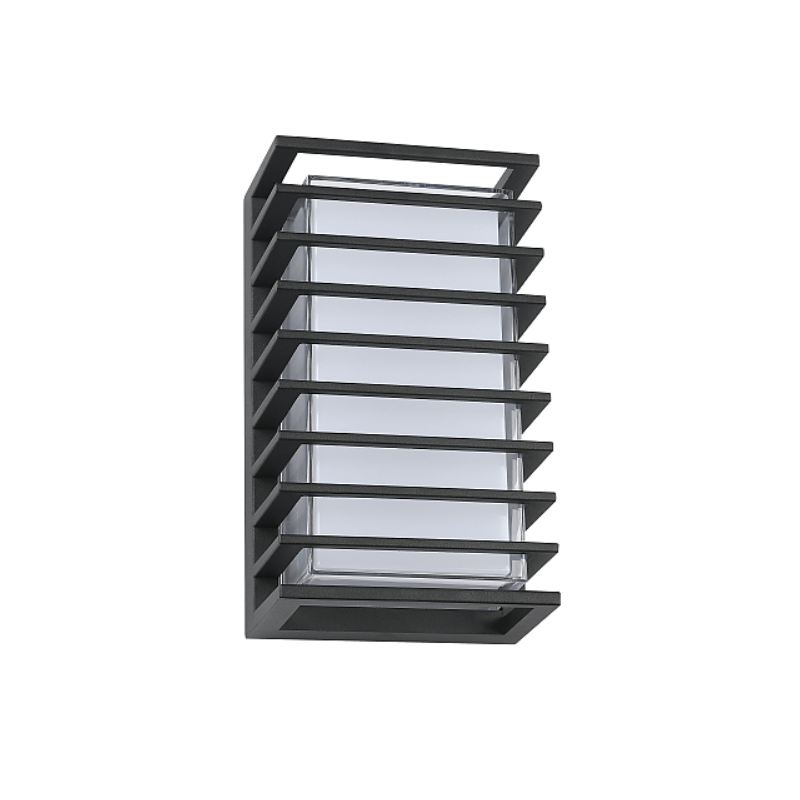
This is a head-to-head look. We compare Keyida’s outdoor bollard lights with typical big-box retail options. The goal: practical clarity for landscape designers, facility managers, and homeowners who want reliable performance, not just lower sticker price. If you’re also sourcing an outdoor wall lamp for entryways, the same trade-offs apply — quality, optics, and installation tolerance matter. Think lumens, IP rating, and warranty — measured, not marketed.
Why the comparison matters — real-world anchor
LED adoption changed municipal and commercial lighting. The U.S. Department of Energy notes LEDs can cut lighting energy use dramatically — commonly cited as up to 75% savings versus incandescent. That’s the backdrop. When a park or campus chooses bollards for pathways, they decide long-term energy spend, maintenance cadence, and user safety. Keyida’s choices in optics and thermal management target those long-term costs; big-box fixtures often prioritize immediate price. The result: different lifetime economics and different on-the-ground outcomes.
Build quality and materials
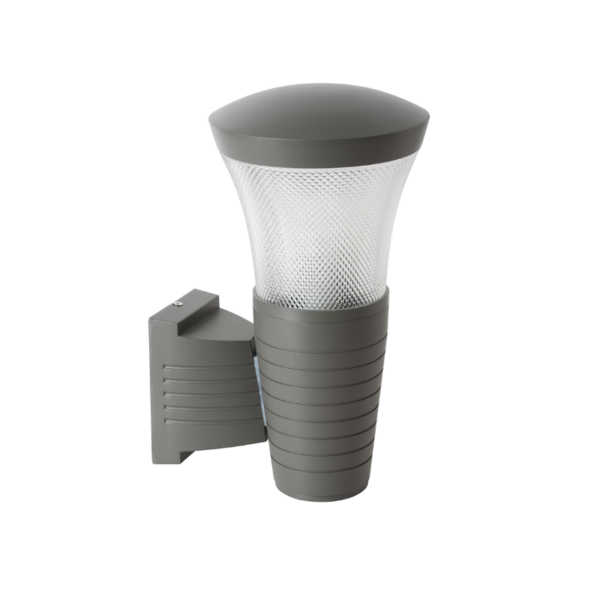
Keyida tends to use die-cast aluminum bodies, durable powder coats, and sealed lenses rated to at least IP65. Big-box units sometimes use lower-gauge sheet metal or plastic. That matters in a coastal promenade or snowy campus — corrosion and ingress problems show up fast. A robust housing also helps thermal transfer to the LED driver. Short sentence. Strong impact.
Optics, light control, and human factors
Better optics reduce glare and increase usable lux on walkways. Keyida offers targeted beam angles and options for shielding to control light spill. Big-box fixtures often provide wide, generic diffusion. That looks soft, but it wastes lumens and can interfere with neighboring properties. For safety and comfort, correlated color temperature (CCT) and CRI choices matter too — warm, high-CRI light for plazas; cooler, high-CCT for security aisles. Choosing the right beam and CCT avoids costly relamping cycles.
Performance and service life
LED modules and drivers are the heart. Keyida specifies higher-grade LED chips and drivers with thermal protection. The result: longer mean time between failures and fewer replacements. Big-box drivers can be adequate, yes — but often less focused on thermal throttling under full sun or heavy use. Over a typical 10-year maintenance window, those differences add up in labor and parts.
Installation, compatibility, and controls
Keyida bollards are designed for professional installs: clear mounting templates, access for wiring, and integrated options for photocells or DMX/0-10V dimming. Big-box models sometimes assume DIY installs and omit flexible controls. If your site will use sensors or centralized lighting control, plan for compatibility early — otherwise you’ll retrofit later at twice the cost.
Cost of ownership versus upfront price
At first glance, big-box fixtures win on price-per-unit. But cost-of-ownership flips the math. Energy use, replacement parts, labor hours for relamping, and warranty responsiveness change the calculus. Keyida’s longer warranty and field-support orientation compress total cost over five to ten years. Short-term savings can become long-term expense if you ignore runtime efficiency and serviceability.
Common mistakes teams make — and how to avoid them
Teams often buy by look or unit price. They forget to ask about IP rating, lumen maintenance (L70), and field-replaceable driver modules. They under-spec beam control and create light trespass. Worse, they assume warranty response is simple. A practical checklist: confirm IP rating for your climate, require L70 or L90 figures, and demand accessible wiring for future upgrades. — Also, test a prototype on-site with your actual surface materials; lab numbers alone mislead.
Alternatives worth considering
If Keyida is outside budget, consider certified commercial-grade offerings from wholesalers that specify modular drivers and rated housings. For heritage sites, custom lantern-style bollards with retrofitted LED modules may be better aesthetically. But beware: custom craft often brings complex maintenance and higher replacement costs. If you need an integrated wall option too, a led wall lamp outdoor from the same family can simplify color matching and controls.
Three golden rules for selecting bollard lighting
1) Prioritize measured specs over aesthetic claims: require lumen output, L70 lifetime, IP rating, and driver thermal specs in writing. 2) Think controls and future-proofing: ensure compatibility with photocells, motion sensors, or networked dimming now — retrofit is messy. 3) Calculate total cost of ownership: add energy, maintenance, and expected service calls to the purchase price.
These rules steer you away from cheaper short-term buys toward durable choices that serve users and budgets alike. The practical payoff is predictable performance and fewer after-hours calls.
Final assessment and next steps
Keyida’s bollard lights tend to win where long-term reliability, optics control, and professional support matter most. Big-box fixtures can fit short-run, low-use projects, or very tight capital constraints. Match the product to the use-case: high-traffic campuses and municipal projects favor the Keyida approach; quick installs for low-duty scenarios may not require it. For integrated site planning and consistent product support, consider Keyida. Concise. Practical. Trusted.

