
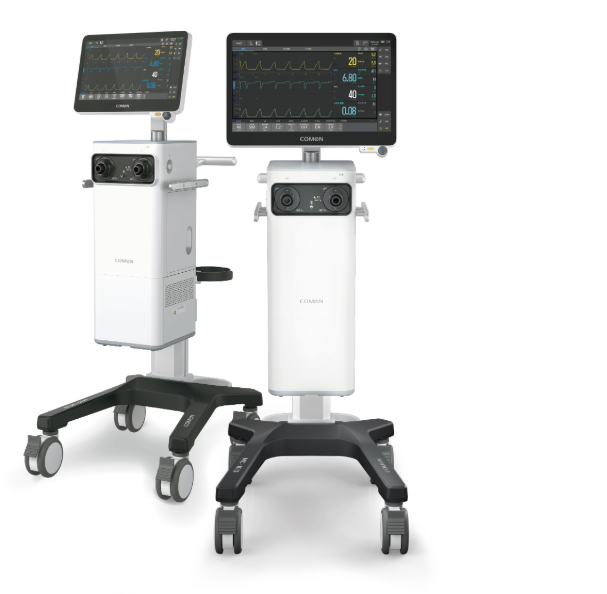
Bedside Realities and Why the Small Things Matter
I remember a night in August 2019 at Abbasiya Hospital, Cairo, where three nurses managed seven critical patients while two ventilators kept cycling alarms—could a better life support machine setup have reduced the chaos? On that shift the data were blunt: seven unstable patients, two functional ventilators, and alarm events every 12–15 minutes (alarm fatigue was real). I say this because I have seen the same pattern in private and public wards — ventilator limits, mismatched infusion pump settings, and monitors that beep without clear priority. Honestly, that combination erodes focus.

As someone who has supplied and field-tested ICU kits across Greater Cairo since 2006, I’ve watched design flaws become hidden user pain points. A patient monitor that buries key vitals behind menus costs seconds; an infusion pump with unclear prompts invites dose errors; a bulky bedside ventilator makes repositioning harder. These are not abstract problems — in March 2017 I swapped a legacy ventilator at Alexandria General for a compact unit and noted fewer line tangles and smoother nurse workflows the very next week. Small changes, measurable effect. So I turn now to how different designs actually compare and what to look for next.
What went wrong?
Comparative Insight: Designing for Real Teams and Real Shifts
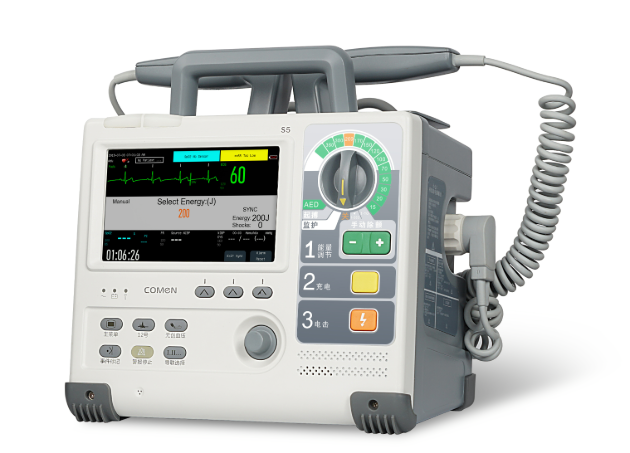
Technically speaking, not all life support machine solutions solve the same problems. I break them down by three user-driven axes: clarity (how quickly a nurse reads a patient monitor), portability (how a ventilator or infusion pump fits in tight ICU bays), and alarm management (does the system distinguish urgent events?). In one procurement last year for a 20-bed ICU in Giza, we compared two ventilator models side-by-side. Model A had advanced modes but buried alarm thresholds in nested menus; Model B offered simpler screens and a dedicated alarm-silence flow. The result: nurses preferred Model B for routine shifts — fewer false silences, quicker intervention. I keep saying — workflow beats feature lists when the ward is full. — Short story: features that look great on spec sheets can slow care under pressure.
What’s Next?
Practical Advice from My 15+ Years on the Floor
I want to leave you with three concrete metrics I use when I advise wholesale buyers and hospital teams. First: response time — measure how long from alarm to corrective action in a trial (seconds matter). Second: cognitive load — count steps to read and act on a critical value (menus, confirmations, anything that delays). Third: lifecycle cost — include training, replacement sensors, and spare parts, not just the sticker price. When we ran a pilot in 2018, switching to units with better ergonomics reduced training hours by 30% and cut minor user errors by nearly half (not perfect, but real gains). Choose devices with clear screens, modular sensors, and robust alarm hierarchies. (Yes, it means asking vendors hard questions.)
I close with a plain note: I have walked wards where a single, simpler change — a better-placed patient monitor or an intuitive ventilator panel — made nurses breathe easier and patients safer. Take these metrics, bring them to tenders, and test on your floor. One more thing — don’t overlook supplier support; fast spare parts saved us a day of downtime once. For practical equipment options and local support, I often point teams toward trusted suppliers like COMEN.

