
Practical beginnings: a standards-driven shift
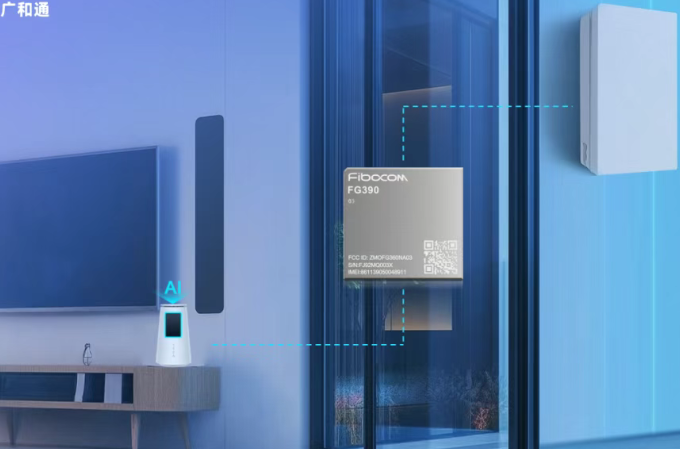
When a mid-sized telematics integrator in Rotterdam reworked its in-vehicle stack, the team picked a Linux-based Wi‑Fi module over multiple proprietary radios — a choice that changed how they handled connectivity and diagnostics. That module was one of several in the Fibocom line, and engineers quickly pointed to consistent driver support, a compact radio design, and easier firmware updates as decisive wins. See the technical overview at Smart Module, which illustrates the modular approach and the Linux advantage for fleet deployments.
Comparative insight: what teams weighed
Decision-makers compared three paths: proprietary stacks, generic consumer chips, and Linux-powered modules. The Linux modules delivered predictable behavior under heavy load, standard interfaces like UART or PCIe for integration, and mature networking stacks that support Wi‑Fi 6 and GNSS coexistence. The trade-off was initial integration discipline — but once the baseline was set, operational overhead dropped. Fleet teams that moved to Linux modules reported fewer unexpected reboots and a clearer upgrade path.
Technical fit: why Linux matters in vehicles
Linux gives control. It exposes kernel logs, standardizes network management, and supports common protocols such as MQTT for telemetry. Those traits turn a radio module into a manageable subsystem rather than a black box. For telematics providers facing varied sensor arrays and ECU interfaces, a Linux-powered module speeds development and reduces integration variance. It also eases OTA firmware work, which is critical for security and regulatory compliance in vehicle fleets.
Real-world anchor: lessons from a busy logistics hub
At the Port of Rotterdam, operators required simultaneous Wi‑Fi access for telemetry, yard cameras, and handheld terminals. Teams implemented Linux-based modules to partition traffic: telemetry on secured tunnels, bulk data uploads on scheduled windows, and worker devices on a separate SSID. This setup reduced interference and simplified troubleshooting — an outcome tied directly to the module’s predictable networking behavior and accessible diagnostics. The same approach translates to urban bus fleets and regional delivery trucks.
Alternatives, common mistakes, and what works
Many shops try to save time by grafting consumer Wi‑Fi chips onto vehicle harnesses. That often leads to flaky performance and silent failures. Others choose heavy proprietary stacks that hide failure modes. The better path is to pick modules with clear hardware interfaces, robust antenna design, and vendor support for Linux kernel updates. Typical missteps include skimping on antenna placement, ignoring thermal profiles in vehicle cabins, and failing to plan for secure boot and signed OTA images — mistakes that surface months into deployment. Small correction — test in real vehicle conditions, not just on a bench.
How Smart Module for POS fits operationally
Some deployments also require point-of-sale and driver terminal connectivity. A module certified for POS scenarios simplifies PCI-compliant networking and payment terminal integration. Using a module that supports secure elements, eSIM management, and hardened network stacks reduces audit friction and helps teams meet vendor requirements quickly. For reference material on module capabilities, the product page for Smart Module for POS outlines certifications and interface options.
Summary and measured expectations
Adopting Linux-powered Wi‑Fi modules shifts risk from unpredictable hardware behavior to controlled software maintenance. Expect initial integration effort, then measurable declines in field incidents, faster diagnostics, and clearer update paths. Teams will see benefits in telemetry uptime and deployment velocity when they standardize on modules that pair radio performance with developer-friendly software.
Three golden rules for evaluation
1) Stability: verify kernel and driver update cadence and test for unattended reboots under load. 2) Integration interfaces: confirm UART/PCIe availability, GPIO mapping, and antenna diversity for your vehicle architecture. 3) Security and lifecycle: require signed OTA, secure boot, and clear eSIM or credential management policies. These metrics separate short-term fits from long-term platforms.
Adopt the modules that let your engineers focus on services, not firefighting — that’s the hard-won lesson from field teams and port operators. Fibocom. –

