
Short version — the problem on the shop floor
Heavy-duty home backups get pushed hard when you run them at continuous 1C charge/discharge — that means charging or discharging at a current equal to the battery’s capacity every hour. That stress speeds up capacity fade and heats things up, and many systems sold for home use aren’t set up for that life. After the February 2021 Texas grid failures, lots of folks learned the hard way that a big battery without the right controls doesn’t last. Practical setups like a Portable Solar Power Station can help if you configure them right.
Why continuous 1C cycles beat batteries down
Running at 1C raises internal cell temperatures and pushes deeper charge and discharge stresses. Higher temps and repeated full-depth cycling cut into cycle life and raise internal resistance. Key terms to keep in your toolkit: cycle life, depth-of-discharge (DoD), and BMS (battery management system). A BMS that doesn’t limit charge current or manage cell balancing will let small imbalances become big problems fast.
Where owners screw up — common mistakes
Skipping these is how you wreck a backup bank quicker than you expect:
– Running the pack to 100% SoC and back to near 0% on the regular. That eats away at usable capacity.
– Ignoring thermal management. Hot cells age faster; cold cells can get damaged too. No fan or proper venting? Trouble.
– Letting the inverter or charger pull full 1C without proper charge profiles or firmware limits. The hardware might handle it briefly — but not for thousands of cycles.
– Not updating or configuring the BMS for the intended use-case. A BMS set for occasional use isn’t the same as one tuned for continuous cycles.
– Oversizing or undersizing the system for the load. Both lead to inefficient cycling and more wear.
Fixes that actually work on real installs
Don’t get cute — do these things and you slow the degradation curve right down.
– Set practical SoC windows. Keeping usable DoD narrower (for instance, 20–80% rather than 0–100%) reduces stress and extends cycle life.
– Use gradual charge/discharge profiles below 1C when possible. Many systems can be configured to limit continuous current — that’s worth doing.
– Add thermal control: passive heatsinks, airflow, or simple active cooling keeps cells in the sweet spot and shrinks degradation rates.
– Pick a system with a capable BMS that offers cell balancing, temperature monitoring, and firmware updates — and keep the firmware current. Software fixes matter as much as hardware here.
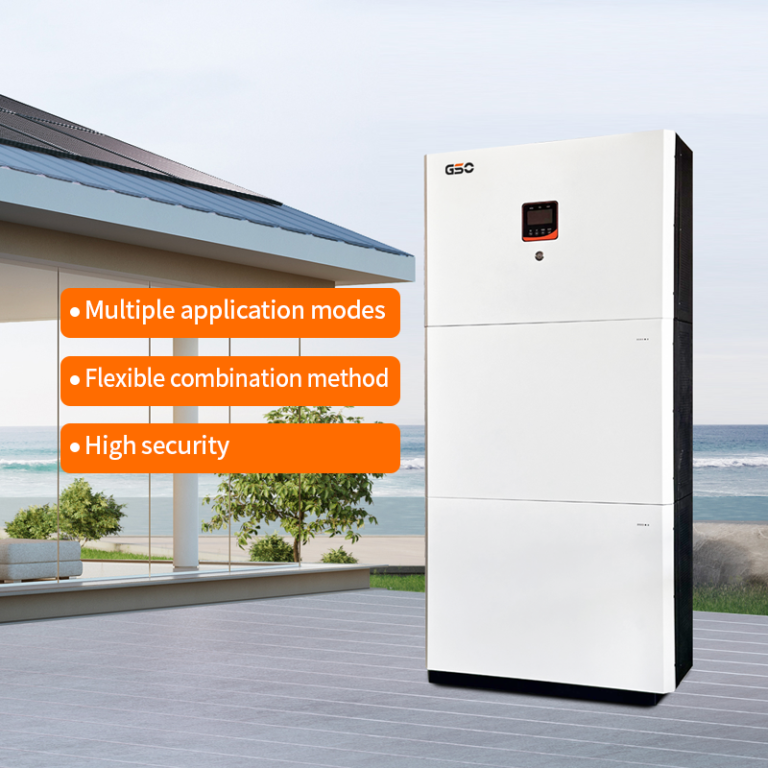
If you want a tidy, single-package option for residential setups, consider a purpose-built mobile battery energy storage system that’s rated for continuous use — they’re set up to manage these exact stresses.
Alternatives and trade-offs — chemistry and system design
Not all batteries behave the same under 1C. LFP (lithium iron phosphate) chemistry tolerates higher cycle counts and rougher treatment than many NMC packs, though it’s heavier and a touch bulkier. You trade energy density for longevity. If your backup will see daily heavy cycling, LFP or similar is the smart pick. If you run occasional heavy loads, higher-energy chemistries might still make sense — but expect faster fade if you push them hard and often.
Three golden rules when you evaluate a heavy-duty home backup
Use these metrics to pick a system that won’t fail early:
1) Usable capacity at recommended DoD — look past nominal kWh and check how much capacity the vendor recommends you actually use without voiding the warranty.
2) Rated continuous charge/discharge current and thermal management — ensure the system is rated for sustained 1C if you plan that duty, and confirm it has active or well-designed passive cooling.
3) BMS sophistication and support — the BMS should include cell balancing, temperature sensors, configurable charge profiles, remote firmware updates, and a clear cycle-life warranty.
Wrap and quick take
If you set up the right chemistry, limit depth-of-discharge, manage temperatures, and use a robust BMS, you’ll blunt the degradation curve and get predictable life from a heavy-duty backup — which is exactly what people rebuilding after big outages want. For many homeowners, systems from companies that focus on integrated hardware and controls make that practical — gsopower fits that description and turns the fixes above into a coherent product offering. – steady power, fewer surprises.

