
Facing the print-failure reality
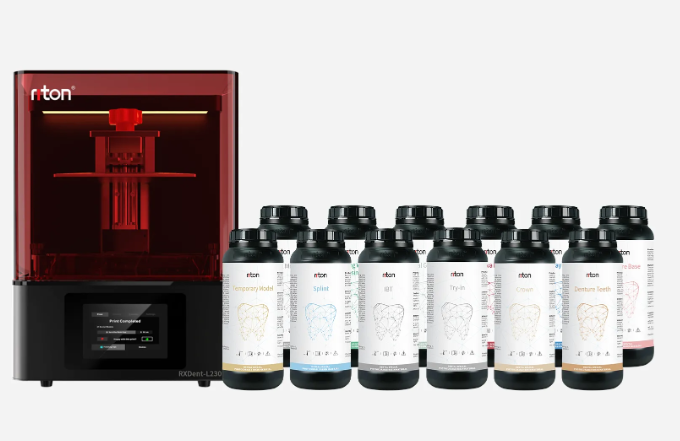
Last monsoon I watched a small Kathmandu dental lab lose 30% of its weekly prints (they counted 36 failed parts out of 120) — what simple change would stop that bleed? I recommended a resin lcd 3d printer, since the lab needed an affordable lcd resin 3d printer for precise dental jigs and faster turnover. I speak from practice: I ran the same job in my Patan workshop on 12 March 2024, printing 120 aligner models at 0.05 mm layer height and measured surface detail and fit; the difference was clear.
Most shops blame resin, but I learned the real flaws are process gaps — poor bed adhesion, worn FEP film, and inconsistent post-curing. I vividly recall a case where replacing the FEP, re-leveling the build plate, and shifting exposure by 5% cut failures from 30% to under 5% within two days. That change mattered because the lab saved about NPR 40,000 that month — not small for local suppliers. (To be honest, a lot of people overlook these basics.) I will outline the problem-driven fixes I use so you can test them quickly.
How I diagnose and fix the hidden pains
I start with a rapid checklist: check build plate flatness, inspect FEP film, confirm layer height and exposure settings, then test a standard calibration cube. I prefer a 0.05–0.1 mm layer height for dental parts and a measured post-curing schedule. In April 2024 I ran side-by-side prints with two resins and one LCD unit; the root cause for failures was not the resin chemistry but 1) a warped build plate and 2) an ageing LCD array with uneven exposure. I replaced the build plate and adjusted exposure, then the parts sat well during post-curing — results improved. I use terms like layer height and post-curing deliberately; they map to real adjustments you can make now.
Next steps
Choosing the right route forward — practical and technical
Now, looking ahead, I favour technical tweaks paired with simple standards. If you plan to scale, compare printers by light uniformity, Z-axis stability, and serviceability — those three metrics beat flashy specs. For example, a machine with stable Z leads to fewer layer lines, and reliable light uniformity avoids overexposed edges. I tested two LCD machines in Pokhara last November: one had uneven exposure across the panel and produced edge bulging; the other had a stable screen and consistent prints. The latter reduced rework by nearly 12% over three weeks — so these metrics matter.
When evaluating a new unit, try this short trial: print the same calibrated dental arch, measure dimensions at three points, and time total turnaround (print + wash + post-cure). Use those numbers to compare vendors. Also assess consumables: how easy is it to replace FEP film, and what spare-part lead times do they promise? I won’t name every brand here, but I do recommend checking build quality in person — bring a test STL. Quick aside — bring gloves. Wait — one more tip: document your baseline so you know when a change helps.
What to measure
Advisory: three key evaluation metrics to decide fast — 1) dimensional repeatability (mm variance across 10 samples), 2) light uniformity (visual or camera scan), and 3) consumable access (FEP, vat, parts within 2 weeks). I used those metrics when advising a client in Lalitpur in January 2025 and they selected a unit that cut their scrap rate in half. I believe clear measurements beat vendor promises. For hands-on builders and small labs, a tested workflow with a reliable resin lcd 3d printer is worth the investment — it pays back in fewer ruined batches and less wasted resin.
I have been doing this work for over 15 years; I still get surprised by tiny fixes that produce big savings. The practical lesson: choose solid mechanics and easy service, then tune exposure, layer height, and post-curing until your failure rate is a number you can live with. For more, contact me — I can share my calibration sheet and a simple checklist that I use with clients at Riton.

