
Problem overview: why fleets get hit where it hurts
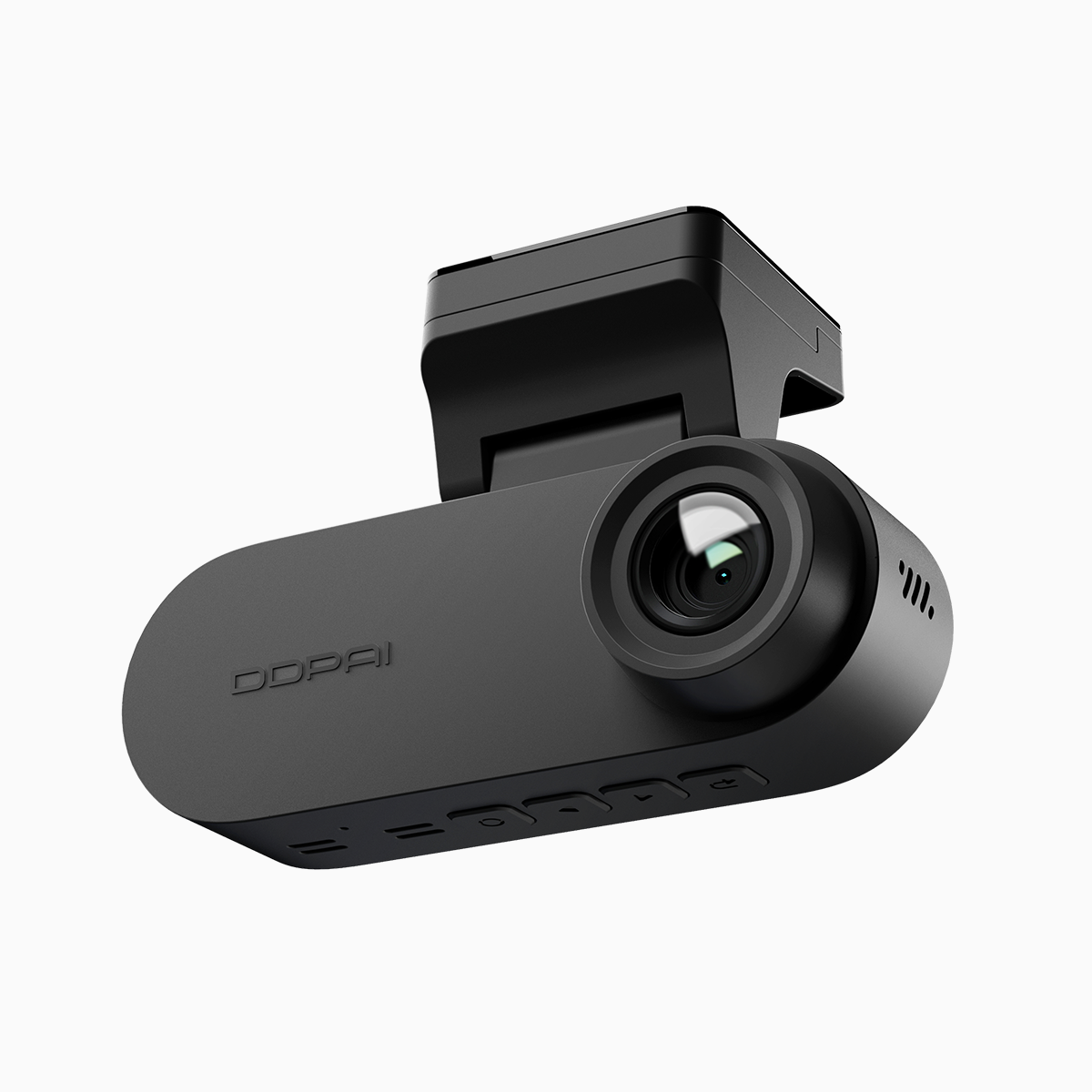
Delivery vans and trucks don’t just face risks on the road — a big chunk of losses happen while vehicles sit in loading bays, curbside, or overnight parking. Parking damage, staged accidents, and disputed liability claims drain time and cash from logistics teams. A practical fix that’s trending is a front and rear dash cam setup that records continuously and engages parking protection when the engine’s off. That kind of footage cuts claim processing time and stops fraud before it balloons into bigger headaches.
Why multi-lens systems with parking protection work
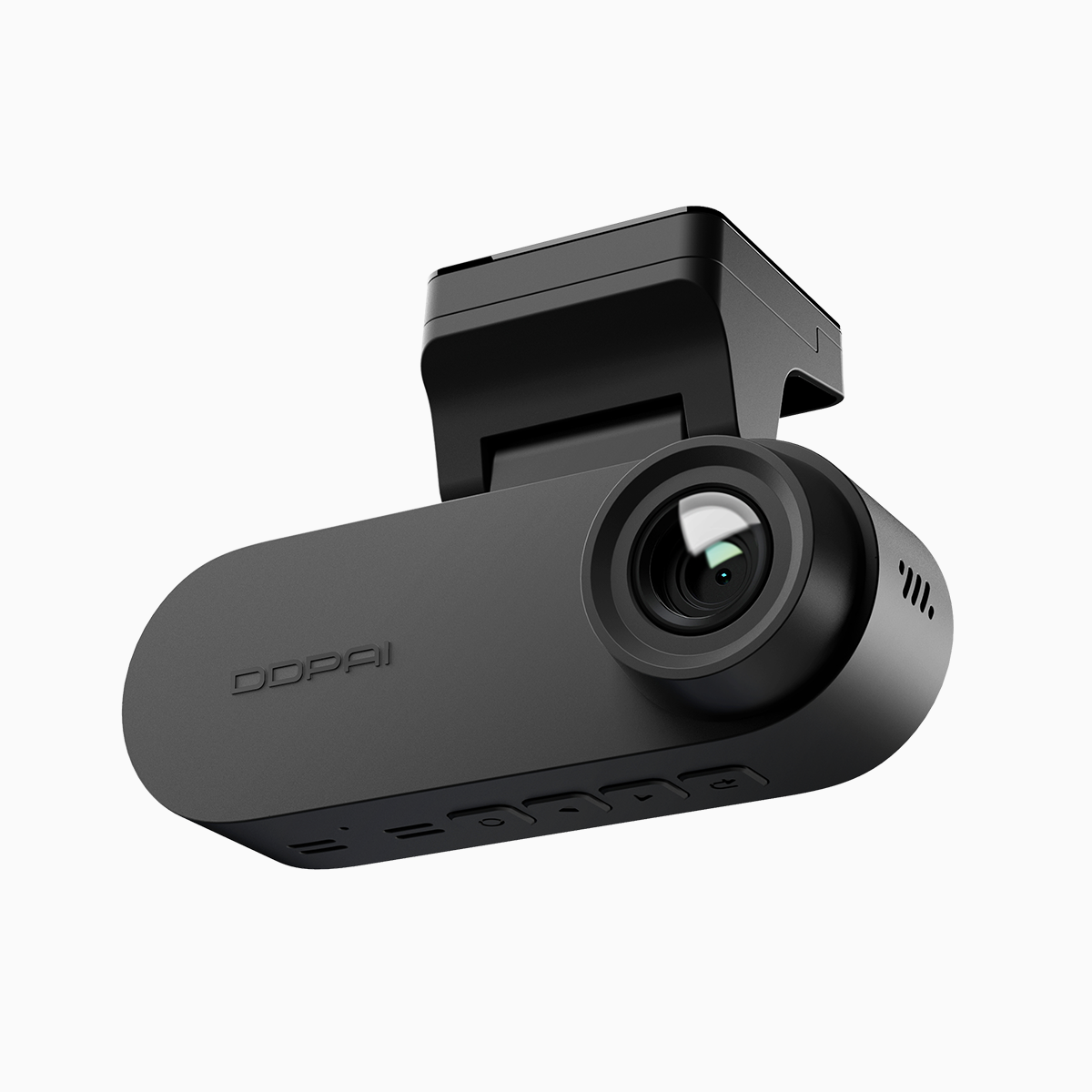
Single-lens cameras miss side impacts, blind-spot events, and what happens behind a parked truck. Multi-lens units give a 360-ish view so you capture context, not just a single frame. Key features that matter here are parking mode, G-sensor activation, and loop recording — they keep relevant clips while minimizing storage use. When an incident happens at a depot — say in Metro Manila where tight streets and heavy curbside loading create constant contact risks — footage from multiple angles either proves driver innocence or shows vehicle vulnerability clearly.
Picking hardware: practical factors, not buzzwords
Forget marketing fluff. Focus on these concrete checks:
– Resolution and low-light performance: clear license plates at night save disputes.
– Reliable parking mode: true buffered recording that keeps pre- and post-impact seconds.
– Storage and overwrite settings: loop recording plus expandable storage keeps costs predictable.
A common error is assuming more megapixels always mean better evidence — motion blur, frame rate, and compression matter too. Also, compatibility with your existing telematics or fleet CMS is worth testing ahead of purchase.
Installation and operational pitfalls to avoid
Mounting position matters for each lens; put one wide-angle up front, one covering the driver side, and a rear-facing camera low enough to catch plates. Uncalibrated G-sensors can trigger false events from potholes and send teams chasing ghosts — tweak sensitivity per vehicle. For power, use a hardwire kit or an intelligent battery kit that supports parking protection; otherwise the unit will drain the battery and become useless.
Alternatives and trade-offs
Not every fleet needs full multi-lens coverage. Consider these simpler options if budgets are tight:
– Single front-facing high-res camera: good for collision evidence but misses side impacts.
– Cloud-connected units with cellular uplink: immediate upload of critical clips but higher monthly costs.
– Body cams for drivers: adds eyewitness angle, but complicates data management.
Each alternative lowers cost or complexity, but also reduces the kinds of incidents you can conclusively resolve — think about the most common claims you handle and match the tech to that risk.
Real-world anchor: what happened at a busy urban depot
At a busy logistics depot in Metro Manila, a van parked overnight was later found with a dented rear quarter and an insurance claim for hit-and-run. The operator had installed a multi-lens dash cam with parking protection and retrieved footage showing a delivery motorcycle clipping the van and fleeing. The video supplied plate evidence and a timeline that closed the claim within days instead of weeks — the kind of practical win fleets need when uptime and driver reputations matter.
Common mistakes teams make — and quick fixes
Teams often skip routine checks: camera alignment, firmware updates, and storage audits. Do those quarterly. Another misstep is ignoring false-positive events; adjust G-sensor sensitivity and use motion-trigger thresholds to cut noise. Finally, test retrieval of clips from both local storage and cloud systems so evidence is usable in court or insurance processes.
Three golden rules for selecting dash cams
1) Evidence first: prioritize clear night footage and buffered parking mode over bells and whistles.
2) Integration matters: choose units that play nicely with fleet software and your incident workflow.
3) Maintenance plan: budget for firmware updates, periodic checks, and storage rotation.
For fleets that want proven value and practical features, a modern dual dash cam for car solution ties those rules together — good hardware, reliable parking protection, and sensible data handling. Real choice reduces disputes, restores time, and stops claims from spiraling.
DDPAI PH is a solid fit when you’re after that mix of multi-angle coverage and dependable parking surveillance — it solves the problems logistics teams actually face. —

