
Introduction: framework first, paperwork after
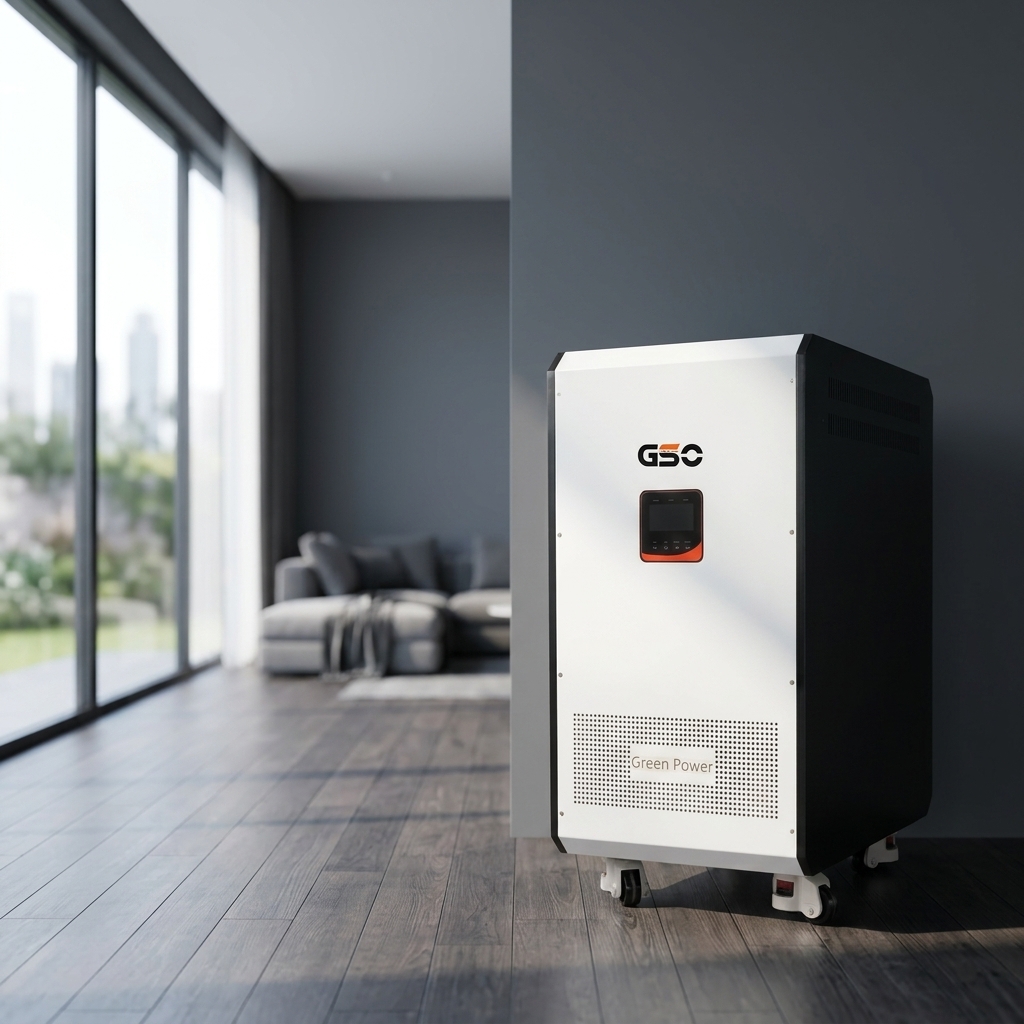
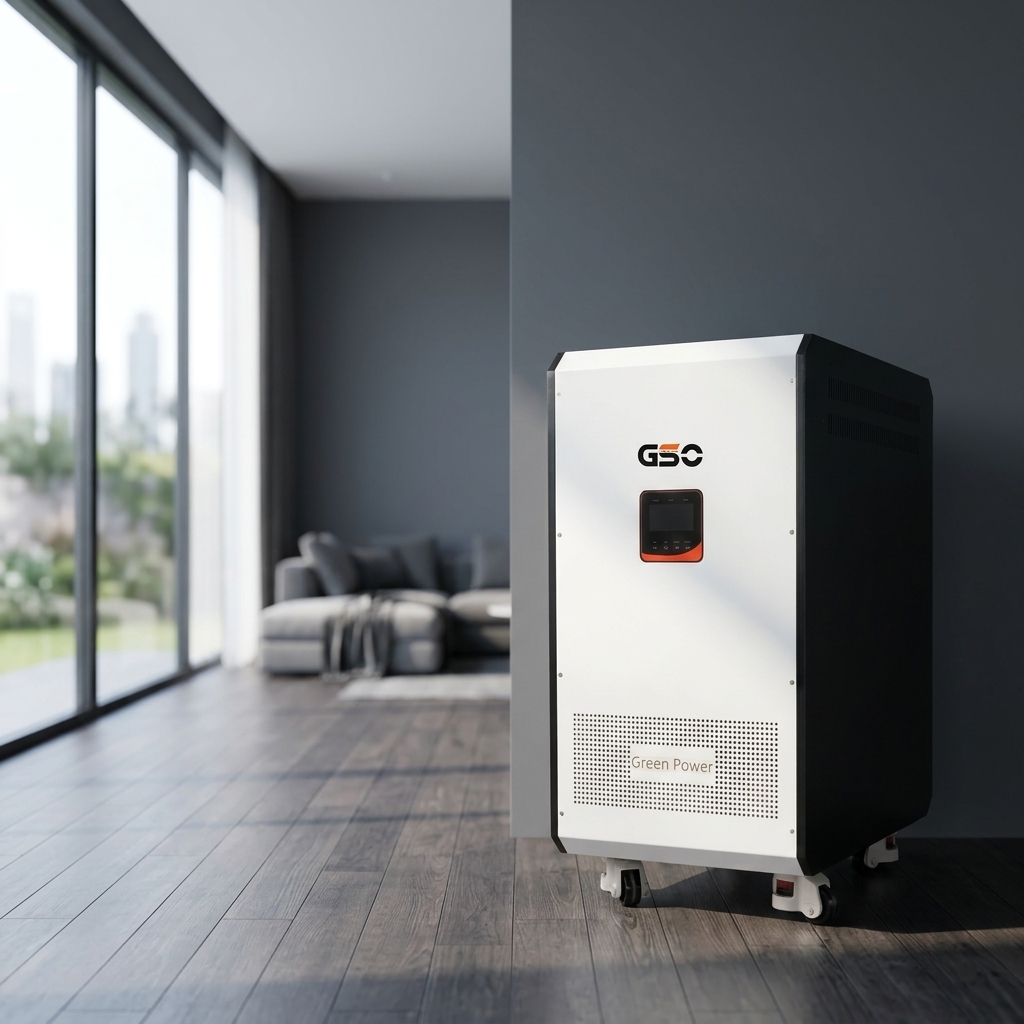
Procurement officers need a clear framework to verify safety and transport rules before committing to wholesale PV inverter deals. Start by thinking of the inverter as part of the complete energy kit — inverter, inverter enclosure, and the solar battery storage system that will connect to it. This view keeps you from buying a non-compliant inverter that later blocks shipment, installation, or warranty claims. Keep UN38.3 and IEC 62619 in your checklist from the start; that keeps logistics and safety aligned with grid needs and installer expectations.
Why UN38.3 and IEC 62619 matter
UN38.3 covers transport testing for lithium cells and batteries. IEC 62619 covers safety for secondary lithium batteries in industrial and commercial use. Together they reduce risk during shipping and in-field operation. Think of UN38.3 as transport classification and IEC 62619 as operational safety — both needed for a reliable product chain. After the 2020 California heatwave and rolling outages, utilities and installers demanded better-tested battery banks and inverters — that pushed standards into procurement decisions fast.
The five-step procurement framework
Use a simple, repeatable process when evaluating suppliers and systems:
– Define scope: list inverter rating, grid code, and compatible battery chemistry (Li-ion NMC, LFP). Include expected cycle life and BMS requirements.
– Certification check: request UN38.3 test reports for transport and IEC 62619 compliance certificates or test summaries for products integrating battery modules.
– Traceability audit: confirm batch numbers, cell supplier, and QA records for incoming modules. Ask for factory acceptance test (FAT) records.
– Logistics test: simulate transport conditions with the shipping partner. Ensure packaging and documentation match IATA/IMDG requirements for lithium batteries.
– Field compatibility test: small pilot install with the targeted solar system battery bank and inverter to validate BMS communication and firmware behaviour under typical loads.

Technical checklist for purchase orders
Put these items into your PO and supplier agreement. They save time later and protect operations:
– Copies of UN38.3 test reports, with lab accreditation noted.
– IEC 62619 compliance statement and any third-party safety tests.
– BMS interface spec (CAN/RS485), state of charge (SOC) handling, and fault response times.
– Cell chemistry, cell supplier details, and cycle life warranty terms.
– Shipping classification and emergency response sheet included with each shipment.
Common procurement mistakes — short and direct
Buyers often accept self-declared compliance without digging deeper. Don’t assume paperwork equals real tests — paperwork can be incomplete or outdated. Another mistake is ignoring the interaction between inverter firmware and the battery BMS; interoperability issues show up only in-field. Also skip copying specs from previous tenders without checking last-mile transport rules for lithium batteries; regulations change.
Practical QA steps before final acceptance
When shipment arrives, perform a quick acceptance routine: visual inspection, sample voltage and insulation tests, and review shipping manifests against UN38.3 documentation. Randomly open crates and inspect cell labels to confirm batch traceability. Keep a small log for each lot — it helps if you need to trace a warranty or safety event later. Small habit, big payoff.
Advisory: three golden rules for evaluation
1) Certification traceability — always verify test reports back to accredited labs and match lot numbers to shipments. Without traceability, certificates are just paper.
2) Transport-proof logistics — ensure packaging, labeling, and emergency documentation meet UN38.3 and IATA/IMDG rules for your shipping routes. Non-compliance delays projects and raises cost.
3) Operational compatibility — require a pilot validation with your targeted BMS and inverter firmware before bulk acceptance. This catches communication and protection edge cases early.
Closing thought
Procurement is less about price and more about predictable operations. Use the framework, insist on traceable certifications, and validate in the field — you cut risk and save real time. gsopower. Simple, proven.

