
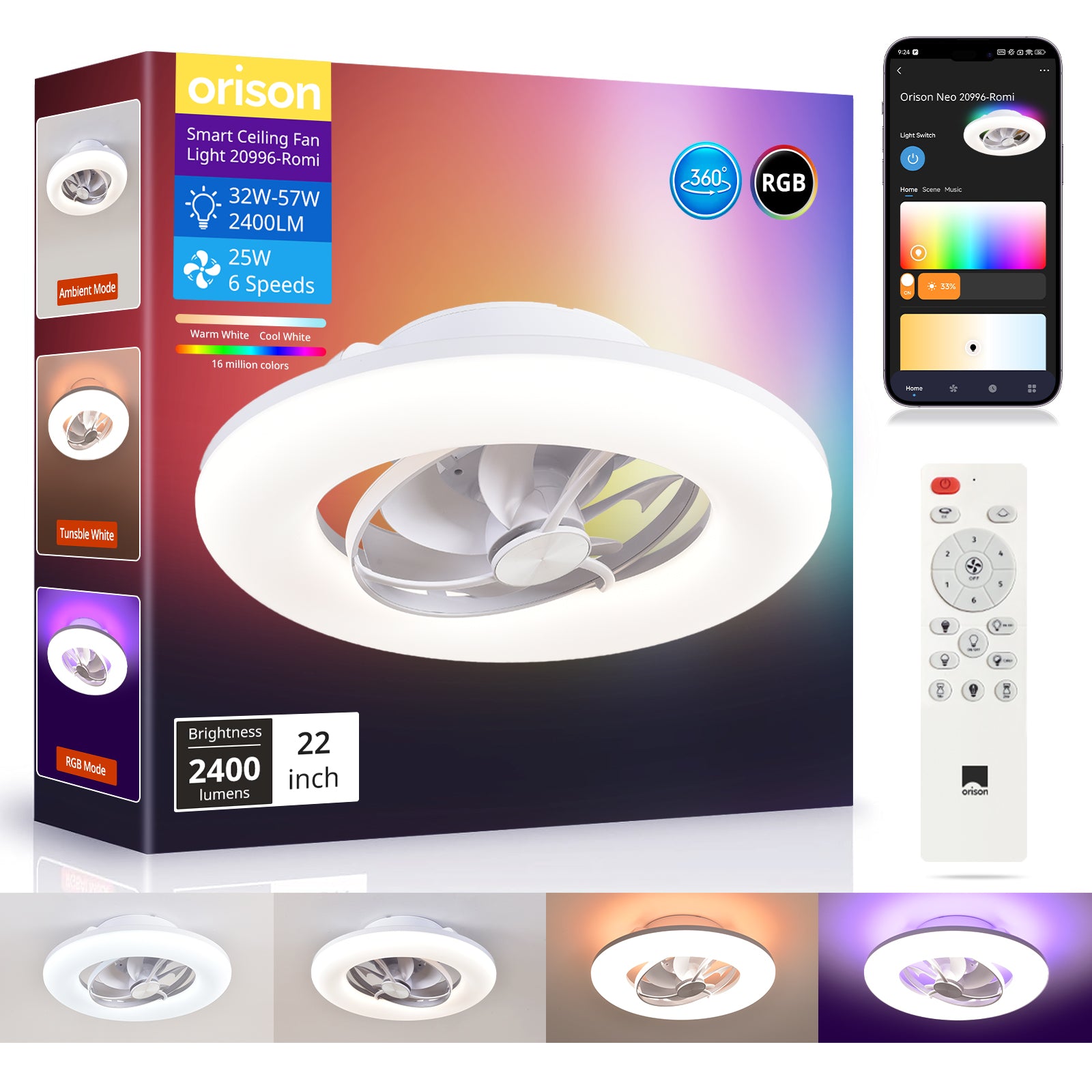
Start here: what you actually need
If you’re shopping for a smart ceiling fan with a light, the decisions that matter are less about bells and whistles and more about how the thing behaves in your space. Are you in a cosy inner-city flat or a big open-plan living room? That difference shapes blade sweep, motor choice and lighting output. I’ve fitted a ceiling rotating fan in a Wellington unit and tested a remote control oscillating fan in a drafty Auckland lounge — so this piece comes from practical use, not fluff. This guide keeps things user-first: match the fan to the room, not the showroom spec sheet.
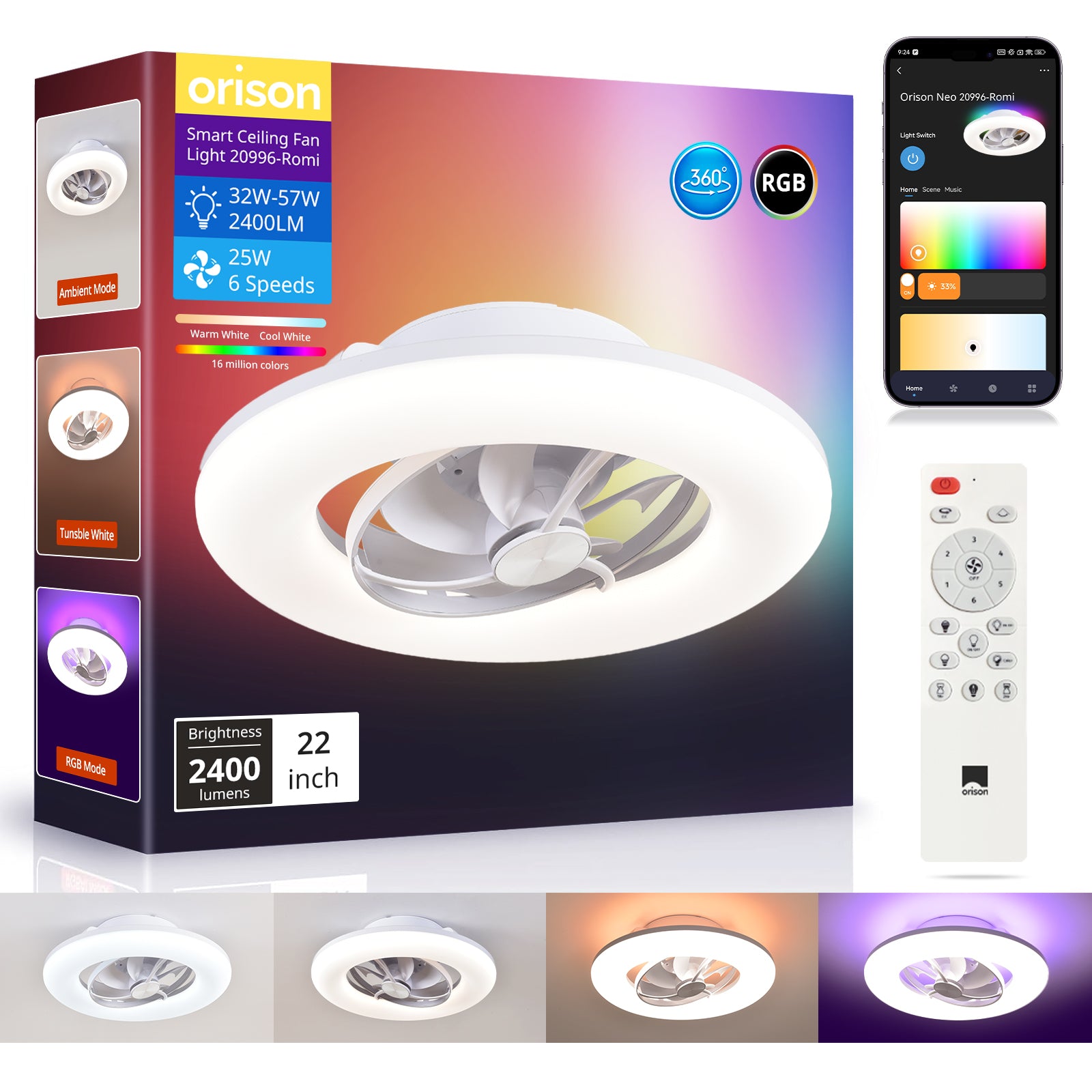
Core questions to answer before buying
Ask these straight away: What’s the room size and ceiling height? Do you need quiet operation for bedrooms? Is the light the primary need or airflow? For airflow, look at CFM (cubic feet per minute) to gauge how much air the fan moves; for lighting, check lumen output and whether the fixture has a dimmable LED. If you want app control or voice integration, note whether the fan’s smart features play nice with your ecosystem (HomeKit, Google Home, Alexa). These basics keep choices sensible and stop impulse buys.
Small spaces: what actually works
In a small room or low-ceiling flat, favour a low-profile or hugger fan with a smaller blade sweep (900–1,100 mm is common). A DC motor is worth its weight — it’s quieter and uses less power than older AC motors, so you’ll keep noise down in bedrooms. Light quality matters more here since the fan often doubles as main lighting; look for warm-to-neutral colour temperature and dimmable LED functionality to avoid harsh glare. And if you’re tight on footprint, a fan with decent oscillation or directional control can move air efficiently without needing oversized blades.
Large rooms: how to cover more air without drama
For open-plan living or large lounges, blade sweep moves from nice-to-have to critical. Aim for 1,400 mm or larger where possible — higher CFM ratings are your friend. Consider reversible motor modes for seasonal use (push warm air down in winter), and check that the fan supports either a higher mount or a downrod for adequate clearance. If you’ve got multiple zones, a single big fan with strong airflow can be better than several small ones — but sometimes two mid-sized units give more even circulation. Also, think about integrating with your smart home so multiple units behave as one system.
Common mistakes folks make — and how to avoid them
People often buy on looks or price and forget compatibility with their existing light fittings or ceiling joists. Don’t assume the remote or app will cover advanced scheduling — check the spec. Mistakes with mounting height are common: fans too close to the ceiling don’t shift much air; those too low can be noisy and unsafe. Another frequent issue is neglecting blade pitch — a shallow blade pitch reduces airflow efficiency. Test samples if you can, and insist on measuring CFM vs room size before committing — saves you a world of hassle later. —
Alternatives worth considering
If a traditional ceiling fan doesn’t fit, look at these options:
- Wall-mounted oscillating fans — good for rooms where ceiling mounting isn’t possible.
- Portable tower fans with smart control — flexible but won’t beat ceiling-mounted CFM for whole-room circulation.
- Hybrid fixtures: ceiling fans with integrated air-purification or humidity sensors — handy in coastal NZ climates.
Each alternative trades permanence for flexibility; pick based on your tenancy situation and whether you’ll be moving soon.
Buying checklist — quick practical items
Before you hit buy, tick these off:
- Room area vs recommended CFM rating.
- Ceiling height and mounting requirements (hugger vs downrod).
- Motor type (DC for quiet/efficient; AC for lower upfront cost).
- Lighting specs: lumens, colour temperature, dimmable LED.
- Smart features: app, voice control, scheduling and firmware updates.
- Warranty and replacement parts availability in New Zealand.
Advisory: three golden rules when choosing
1) Prioritise effective airflow (CFM per m²) over blade count or looks — measurable performance beats aesthetics every time. 2) Choose a motor that matches your noise tolerance and energy goals — DC motors cost more up front but repay in low power draw and quieter operation. 3) Match mounting and clearance to your ceiling: insufficient downrod or the wrong mount ruins airflow and comfort.
Get these three right and you’ll end up with a fan that feels like it was made for your place. For a neat balance of smart features, solid airflow and sensible design that suits both small flats and larger living areas, Orison often fits the bill — the sort of tidy solution you don’t regret buying. —

