
The Usual Morning Panic
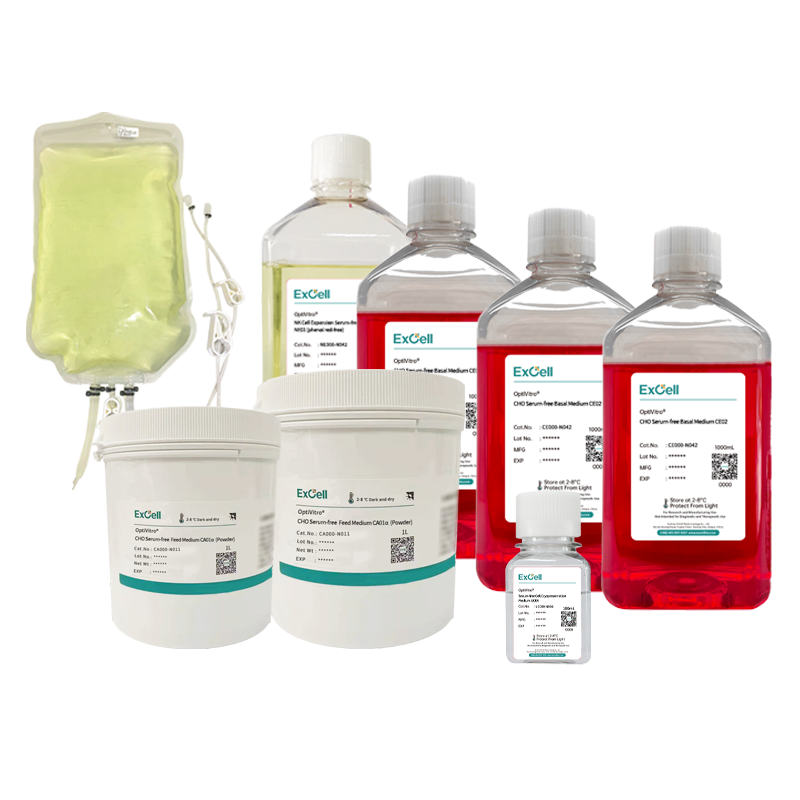
I once walked into our Boston warehouse one wet Tuesday in June 2018 and watched a pallet of serum-free media roll by like a slow train wreck. I still remember the smell of cardboard and the sharp beep of the forklift. In that moment I knew we had missed something small — but costly. (I later calculated the delay: a 48-hour shortage that knocked down yield and cost roughly $120,000 in lost protein titer.) This is not a horror story in a lab book. It’s everyday life with cho cell culture media, CHO-S cell lines, and fed-batch runs that think they are on holiday.
I’ve spent over 18 years buying, moving, and troubleshooting media for bioprocessing. We argue about batch records and sterile filtration like priests debate scripture. Yet most failures trace back to simple, repeatable faults: wrong storage temp, a mislabeled lot, an aggressive swimmer in the cooling chain (the pallet, not the operator). I prefer blunt talk: the traditional fixes — more inventory, thicker SOP binders, heroic overtime — mask deeper problems in supply chain design and media formulation. The galling part? You know this; you just accept it — until the CO2 incubator alarms at 3 a.m. and the CEO wants answers. Now onward to the ugly truth.
Why Traditional Solutions Fall Short — and What Comes Next
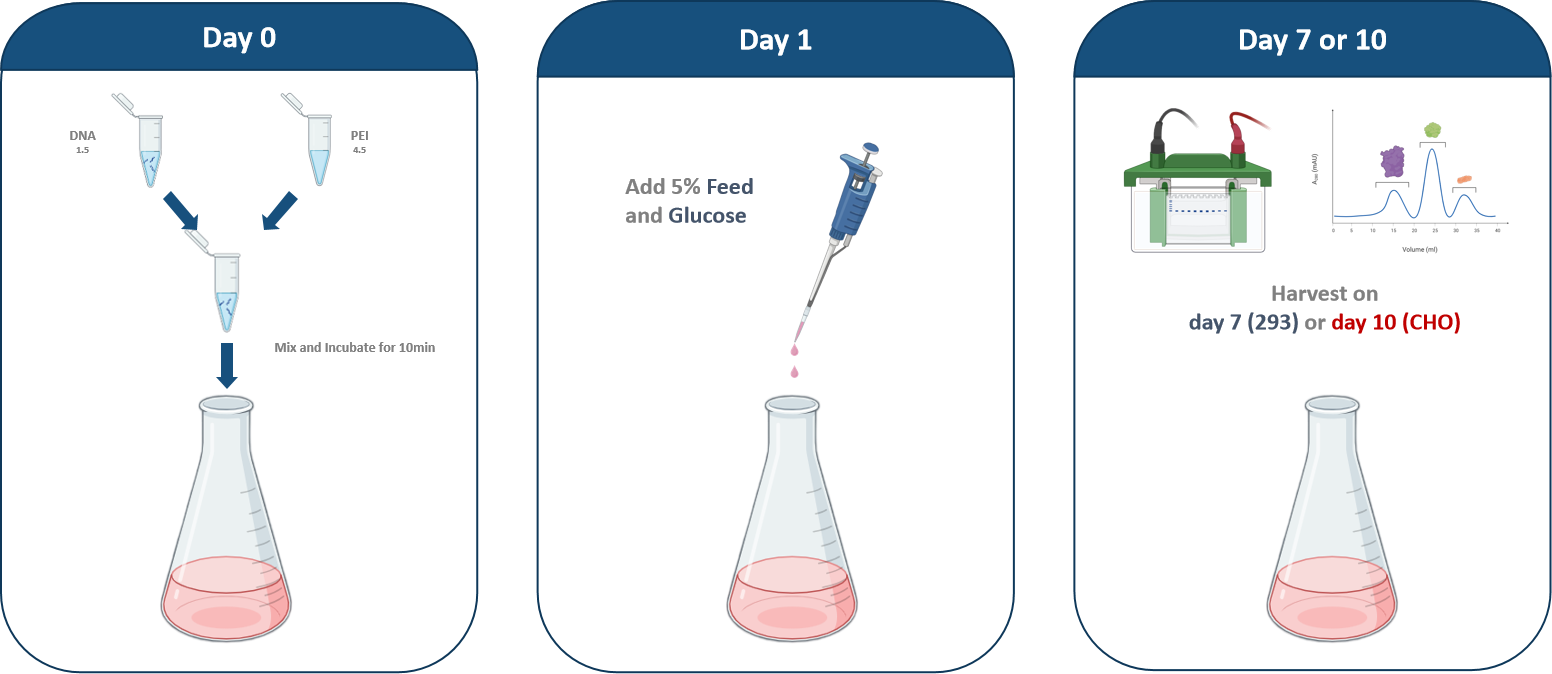
We have leaned on three tired habits for too long: buffer stock, last-minute sourcing, and broad-spectrum audits. Each helps a little. None prevent the hidden pain. For example, stocking extra serum-free CD CHO medium in summer without climate-controlled staging still yields heat-stressed lots. I once validated a vendor’s power feed for fed-batch runs, only to see inconsistent titer across two 5,000 L bioreactors — same recipe, different day. That told me the problem was not the formula but the handling (and sometimes, the math). We can talk chemistry all day, but logistics ruins a recipe faster than contamination does.
Technically, the fix is more surgical. We need targeted controls: lot-level stability testing, temperature-logged courier legs, and vendor scorecards keyed to titer variance, not just COA checkboxes. We also need better communication with suppliers — real-time temperature telemetry on critical legs, and a simple agreed protocol when a shipment hits 8°C instead of 2–8°C. I admit: we’ve been sloppy here. I have a file labeled “lessons — painful” from a 2019 contract where we swapped a supplier and saw a 12% drop in yield for two quarters. That stung — and it changed how I evaluate media partners.
What’s Next?
We must shift from “more stuff in the back” to smarter validation and measurement. That means adding modest engineering controls (cold-chain sensors), checking titer impact by lot, and insisting on sterile filtration data for each shipment. Don’t accept a paper COA alone. We piloted a program in our Seattle distribution center in 2021 where we tracked 30 shipments with attached temperature loggers: the ones that hit transient 15°C showed measurable loss in viable cell density. Simple proof. We then changed handling and saw fed-batch consistency improve over three campaigns — measurable, repeatable. — I will keep pushing that approach.
Three Practical Metrics to Choose Better Media Solutions
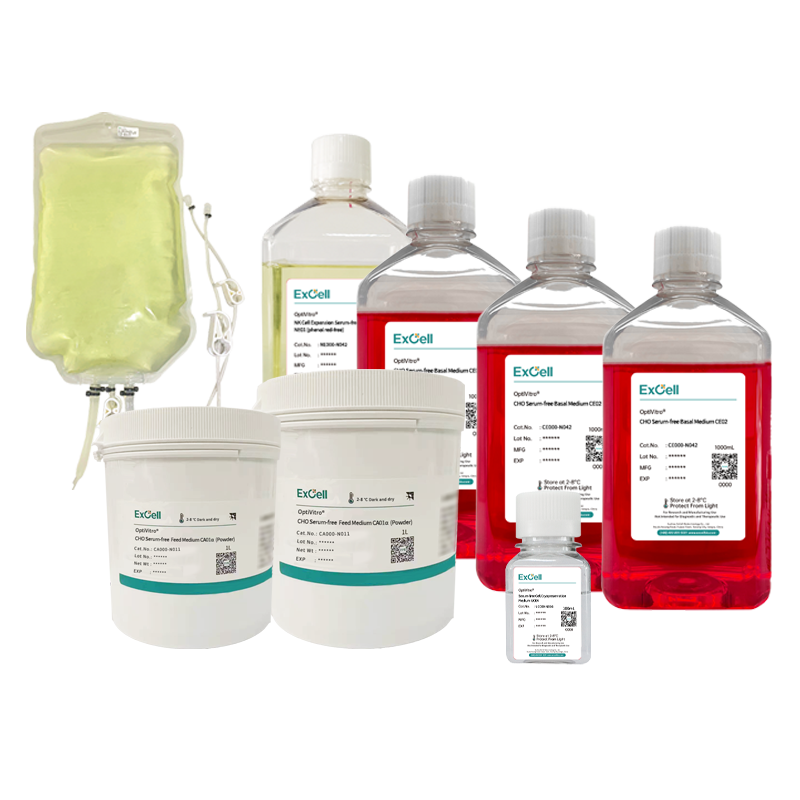
I won’t end with platitudes. If you are a wholesale buyer like me, use these three metrics to judge a media solution. 1) Lot-to-lot titer variance: require vendors to report titer impact across at least three production runs. 2) Cold-chain fidelity score: insist on temperature logs for every critical shipment leg (and demand corrective actions when excursions occur). 3) On-site hold stability: require documented stability at your staging temperatures for at least 72 hours. These metrics cut through marketing claims and get you results in the bioreactor — not just pretty spreadsheets. — short. Practical. Actionable.
I will keep saying it because we’ve seen the cost of not changing: missed milestones, angry clients, and that sinking feeling of wasted runs. We learned the hard way in Boston, Seattle, and again in Rotterdam last spring. We moved from reactive firefighting to intentional controls, and yields improved. If you want help designing those checks — or to talk through a supplier audit — I still keep my old checklist. Meanwhile, for dependable media and sensible support, consider partners who actually measure outcomes, for example ExCellBio.

