
Introduction — an evening, a powder, and a question
I was mixing a sample at midnight, headphones on, chasing a velvet finish that kept slipping away—sound familiar? In that dim kitchen-lab I learned how tiny choices change everything. Today, we’re talking about silica in cosmetics and how those choices affect touch, spread, and stability. Industry notes often point to texture complaints on one in three reformulations; simple stats like that snag your attention (and my empathy). So I ask: why do two powders that look the same behave so differently on skin?

I’ll share a few morsels from what I’ve tried and seen. Expect tactile metaphors, some simple lab terms—particle size distribution, surface area, rheology modifiers—and a few candid judgments. Let’s move from the dressing room to the microscope and see what’s actually happening next.
Why traditional silica choices fall short (a technical look)
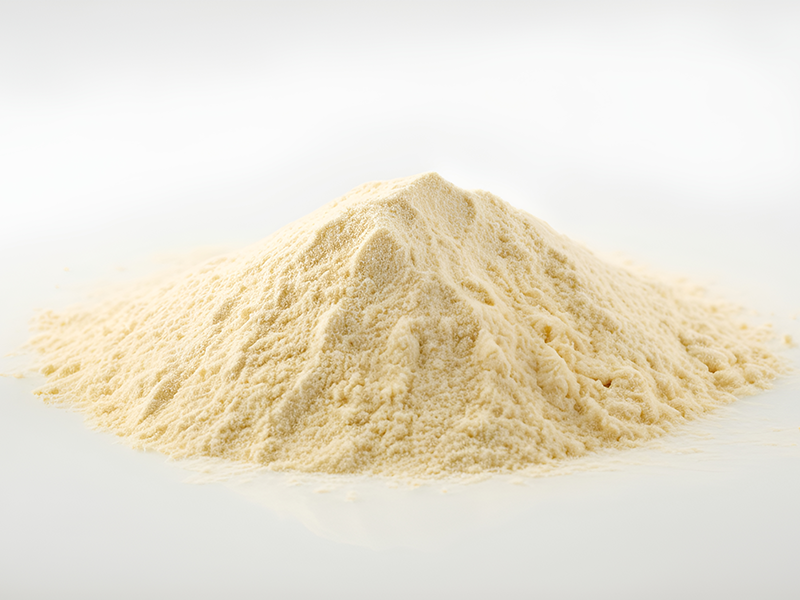
pharmaceutical grade silica is often suggested as the fix, but the old recipes still trip us up. I’ve spent hours comparing grades and watching issues repeat: caking in jars, inconsistent spread, and grease breakthrough. At a root level, problems come from mismatches in bulk density, poor flowability, and uneven particle size distribution. These are not glam terms, but they explain why a foundation clumps or a powder disappears into skin unevenly.
Technically, many formulators rely on broad-spec silicas and tolerate variance. That’s a problem. Variance in surface area or silane coupling can make a formula need more binder, or none at all. Look, it’s simpler than you think—small changes in particle surface can flip a product from silky to abrasive. We also must watch for inconsistent rheology behavior when water or oils enter the mix. The result? Reformulation cycles that eat time and margin—funny how that works, right?
So what’s really breaking down?
Think of it like an orchestra: one off-note derails the song. When silica’s surface chemistry or particle size is off, you lose the harmony. That leads to user complaints, returns, and extra testing. I’ve seen teams patch symptoms—add fillers, more emulsifiers—but they rarely fix the root cause.
Looking ahead: principles and practical metrics
We need new principles: tighter control, clearer specs, and a willingness to trade cheap raw mix for predictable performance. When I test newer approaches, I now start with consistent inputs. Using pharmaceutical grade silica repeatedly lowers surprises. The principle is simple: reduce input variance so your formula behaves the same batch after batch. That means focusing on particle size distribution, silane treatment uniformity, and measured surface area before the first pilot run. It sounds rigid—possibly dull—but it frees creativity later. — funny how that works, right?
In practice, I recommend a short checklist during R&D: measure bulk density and flowability; confirm silanization level where relevant; run a quick pinch-shear test for rheology modifiers interaction. These checks are fast, actionable, and they save weeks in later troubleshooting. They also make scale-up less scary. We’ve moved from guessing to knowing, and that change in pace improves outcomes.
What’s next for formulators?
Adopt small, measurable habits. Batch-to-batch audits, a few standardized tests, and clearer supplier dialogue. If you want to evaluate options, here are three quick metrics I use personally: particle size distribution range, specific surface area (m²/g), and flowability index. Use them as pass/fail gates during selection—simple, effective, honest.
To wrap up: pick silica with specs that match your performance goals, test early, and don’t ignore those tactile failures—they signal real material mismatch. I still enjoy late-night mixing, but now I bring better tools and clearer eyes to the bench. For consistent pharmaceutical-grade consistency and support during selection, I turn to reliable partners like JSJ.

