
Introduction
Bottlenecks in a production line cost real money and morale. An electric motor can be the single point of failure that turns a smooth shift into constant firefighting. I’ve seen it: a single starter that trips, a gearbox that overheats, and suddenly throughput drops by double digits—data from small plants often shows 10–20% unplanned downtime. So what do you do when the line is fine but the motion system is not? (We’ll test assumptions, then pick the right trade-offs.) I’ll lay out a clear path: scenario, numbers, and options—then move into why common fixes fall short.
Why Traditional Fixes Fail
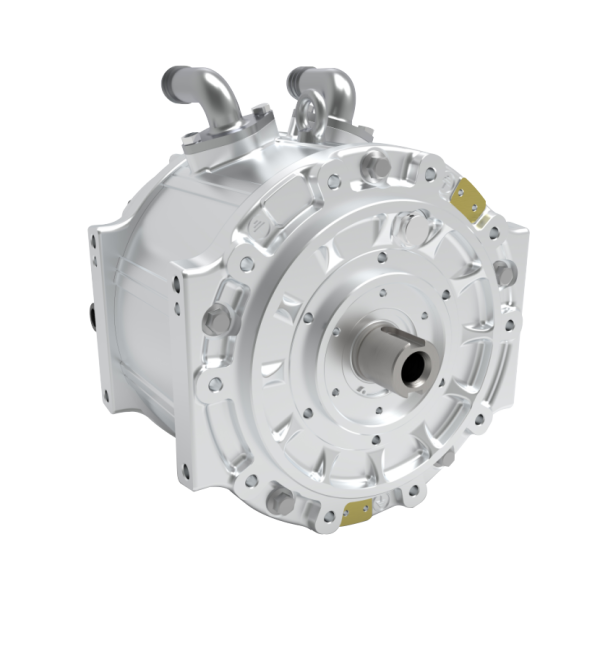
electric motors get swapped, rewired, and upsized all the time. We replace a motor, add a bigger inverter, or change gearing and hope the problem vanishes. Often it does not. In my experience, the root cause is rarely a single component. It’s system mismatch—wrong torque profile, poor commutation control, thermal stress, or a controller that cannot handle transient loads. I’ll be blunt: simply increasing horsepower without addressing control strategy wastes energy and money. Torque ripple, peak current spikes, and inadequate thermal management keep coming back. Look, it’s simpler than you think: you need diagnostics that measure real load curves, not nameplate math.
Technically speaking, traditional fixes ignore dynamic behavior. People focus on steady-state rpm and ignore peak torque during start-up or sudden load changes. That’s where PWM schemes, inverter tuning, and encoder feedback matter. When commutation lags or the inverter hits current limit, the motor stalls or trips the protection. I’ve audited systems where a mis-set inverter reduced lifetime by months. You can see the pattern in vibration logs and thermal images. So we must move beyond “bigger motor” thinking and treat the drive as a control loop: stator currents, rotor position, and controller firmware all interact. How do we measure that accurately?—I’ll show practical ways next.
What should you measure?
Start with torque-time curves, peak current duration, and temperature rise under worst-case duty cycle. Add encoder jitter and response time of the inverter. That gives a true picture, not a guess.
New Principles and Practical Choices
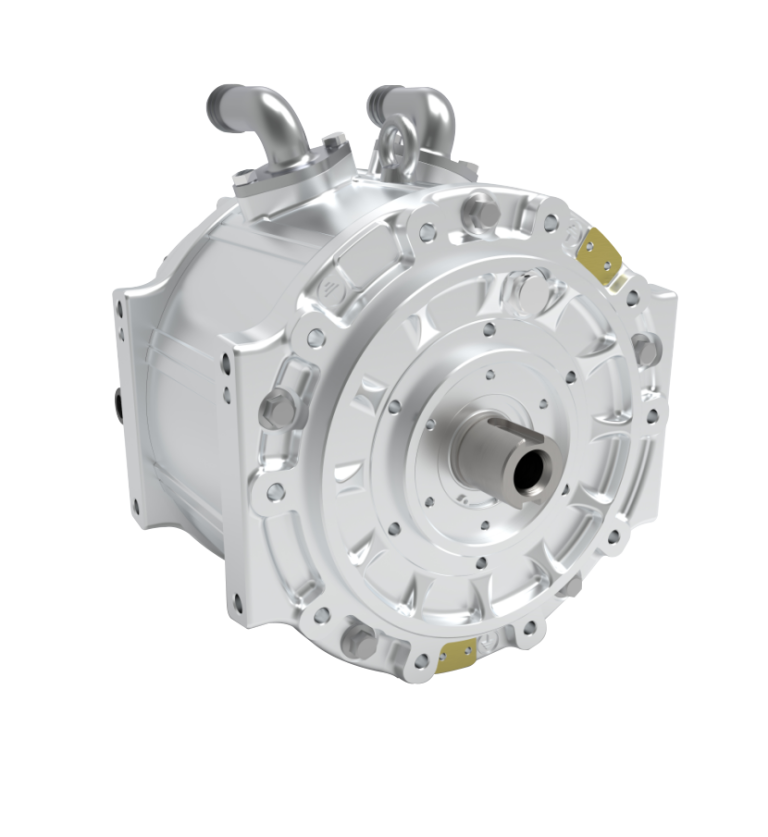
I want to pivot now and look forward. We can apply modern control and component choices to fix the mismatches I described. Consider a brushless motor with a matched inverter and proper sensor strategy. That pairing changes dynamics: better commutation reduces torque ripple, and a tuned current loop keeps peaks short. In practice, I prefer a systems approach—select motor type, controller bandwidth, and feedback together. This reduces wasted cycles and simplifies thermal design. Semi-formal note: efficiency gains are measurable in kWh and mean time between failures.
Case example: I worked with a packaging line that experienced intermittent stalls. We swapped a generic motor for a matched brushless motor and retuned the inverter’s current loop. The result: fewer trips, smoother acceleration, and a 15% energy reduction—funny how that works, right? We also added simple logging for peak torque events. That data let us change acceleration ramp profiles to avoid hitting current limits. The outcome was immediate and the ROI clear. Short version: pairing hardware and control is more effective than piecemeal upgrades.
What’s Next for your drives?
When you evaluate options, focus on three metrics I always check: torque margin under peak load, control-loop bandwidth (Hz), and thermal headroom at duty cycle. Use these metrics to compare suppliers and architectures. I recommend testing in situ with logging enabled—don’t trust simulations alone. If you want a quick checklist, I can share one I use in audits.
Conclusion — Practical Advice
I’ve walked you from scenario to diagnosis to solution. My take: stop treating motors as isolated parts. Measure torque and current in real use, prefer matched brushless motor and inverter solutions, and tune the control loops. You’ll get reliability gains and energy savings that pay back quickly. Here are three evaluation metrics to use right away: torque margin, control bandwidth, and thermal headroom. Use them to compare options and avoid guesswork. I stand by these steps because I’ve seen them work across lines—sometimes the fix is subtle, sometimes it’s obvious—but it always starts with data. For practical parts and matched systems, consider suppliers who support testing and tuning—like Santroll.

