
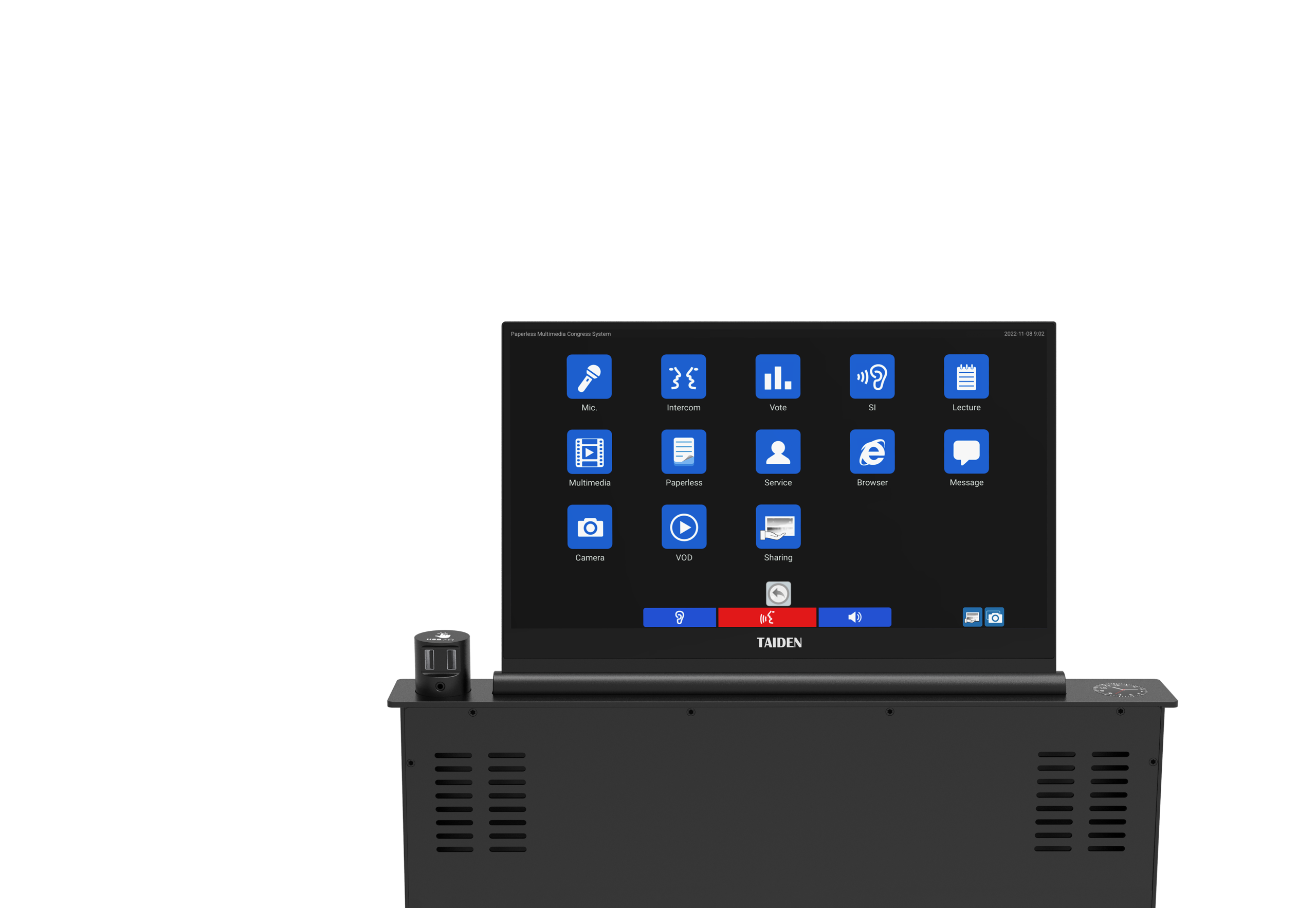
The Moment the Folders Vanished
I walked into a boardroom at dawn, lights low, screens waking, and the table bare—no folders, no pens, only a hush like a stage before the music swells. A paperless conference system had swept away the old ritual of rustling pages and passing handouts (the little sounds we once relied on). Data lived in clouds and caches now, measured in gigabytes and not stapled stacks. Yet a quiet tension shimmered: would the voices be clear, would the screens sync, would the flow hold? We crave ease, but meetings are fragile—one delay, one awkward pause, and trust thins.
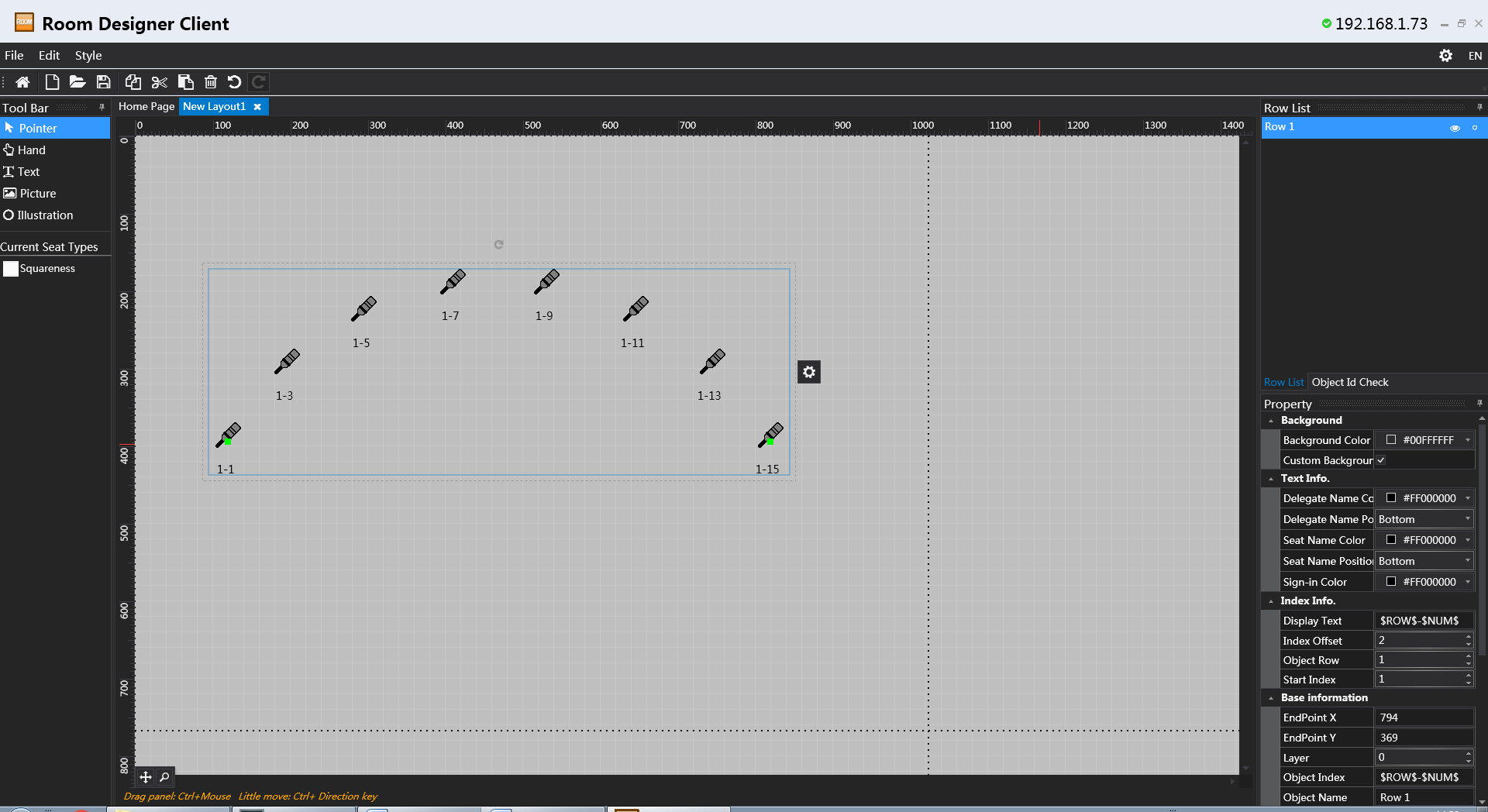
Consider the hidden arithmetic: time spent tapping for access, signing in, switching sources, and waiting on room controls to catch up. Latency, jitter, and room noise can turn a bold idea into a timid nod. The paper is gone, yes; the friction shouldn’t replace it. So we ask: how do we guard the mood and the message when the medium becomes pure signal? (And how do we keep the human warmth alive?) Let’s step past the glow of the screen and into the guts of the experience—then back out to what matters next.
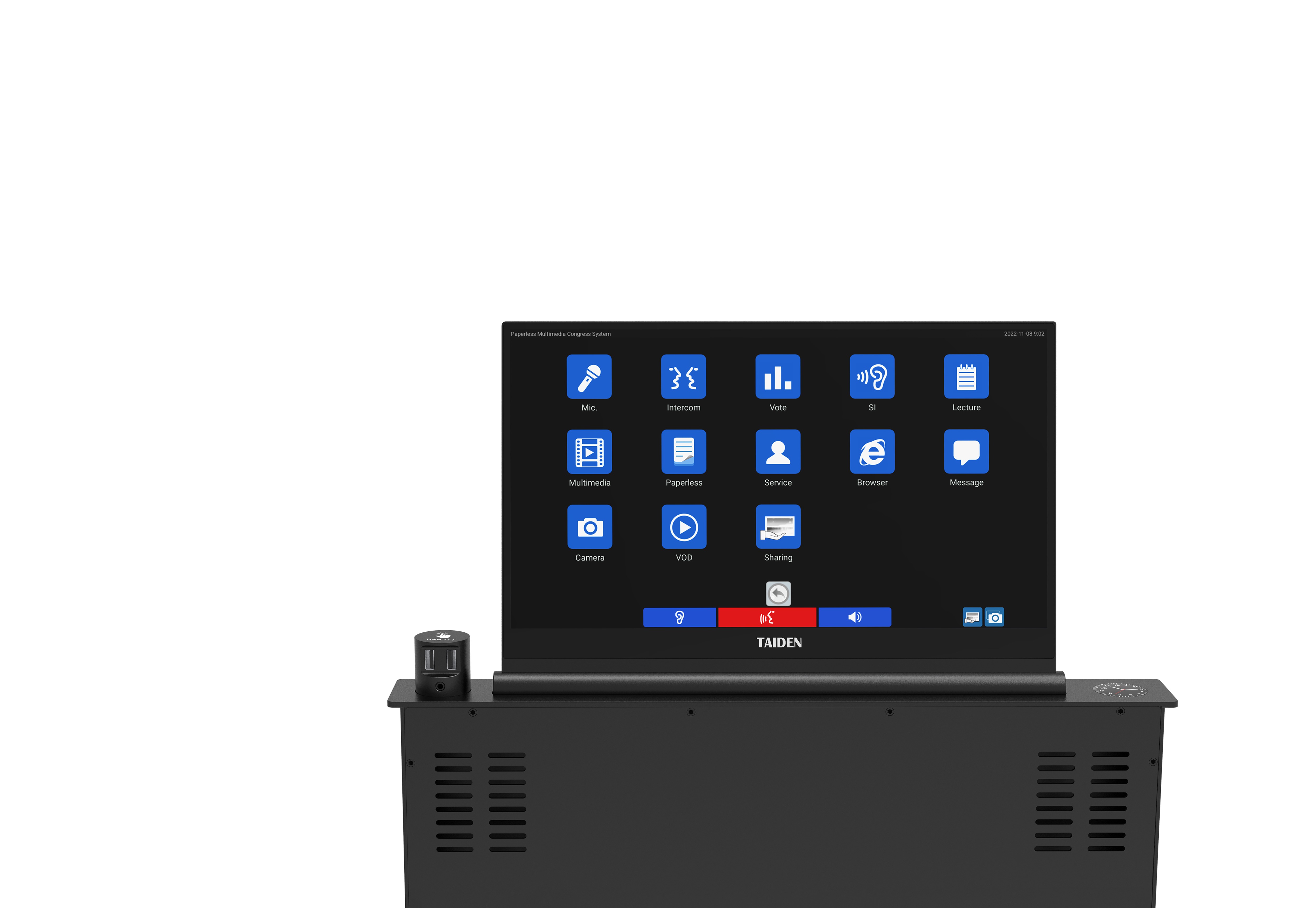
Comparing Comfort vs. Clarity in the New AV Reality
When people say “just upgrade your conference room av solutions,” they often miss the small frictions that break a good meeting. Look, it’s simpler than you think, yet exacting where it counts. Paper kept the room tolerant of small tech flaws. Without it, every second of delay becomes visible. Common pain points hide in signal paths: poorly tuned echo cancellation, slow handoffs between wireless share and HDMI matrix, or an unbalanced DSP profile that favors volume over intelligibility. Add network variance, and QoS dips turn a clean demo into a stutter. Beamforming microphones shine—until seating shifts and the pickup lobe misses the speaker by a chair.
Where do bottlenecks hide?
They lurk at the edges. Edge computing nodes that don’t match firmware revisions. Power converters that hum just enough to mask soft voices. AV-over-IP endpoints that ride a congested VLAN, building jitter before the buffer can smooth it. Dante routes that look tidy on paper but fold under peak load. Users feel it as friction: the quiet dread before “Can you hear me now?”; the awkward restart of a screen share; the subtle loss of presence when voice clarity slips below trust. The fix isn’t more gear—it’s coherent design: clean topology, deterministic handoffs, and ruthless focus on speech legibility. That’s the heart of paperless grace—funny how that works, right?
Principles That Make the Future Feel Effortless
What’s Next
We move from patchwork to principle. A modern stack treats the room as a living network, not a pile of gear. New approaches lean on tighter clocking, adaptive echo cancellation, and predictive resource control. Think of a soft control layer watching the session in real time—measuring latency spikes, reallocating bandwidth, nudging beamforming zones as chairs slide. In this frame, a multimedia congress system isn’t just endpoints; it’s choreography. The lesson from earlier sections holds, in fresh words: hidden friction steals trust, and trust is the real payload. We protect it by designing for failure domains, spare routes, and instant recovery—fast failover, clean rejoin, no drama.
So, how do you choose wisely? Aim for three clear metrics. One: speech intelligibility at the seat edge—consistent STI across the room, with noise floor tame and dynamics smooth. Two: time-to-present from a cold start—measured, not guessed; sub-10 seconds from join to share under typical load. Three: network resilience under strain—stable QoS with visible diagnostics, predictable Dante routing, and graceful degradation when links wobble. If these three hold, the rest feels like air: meetings that flow, ideas that land, people who lean in instead of leaning back. Keep the romance of a good conversation, guarded by engineering that disappears—because that’s the only kind that counts. And yes, it should be this calm—after the first careful setup, anyway. Learn from the quiet, then build for it with TAIDEN.

