

Start Where the Lights Blink Off
I’ll start bluntly: outages don’t care about your schedule, and neither does peak pricing. Residential energy storage systems step in when the grid wobbles, and I’ve spent over 17 years helping families in Mexico keep fridges cold and bills predictable. In that time, I’ve tested and spec’d more stacks than I can count, and the best-performing residential energy storage solutions share one trait—clarity in design and purpose (sin rollo).
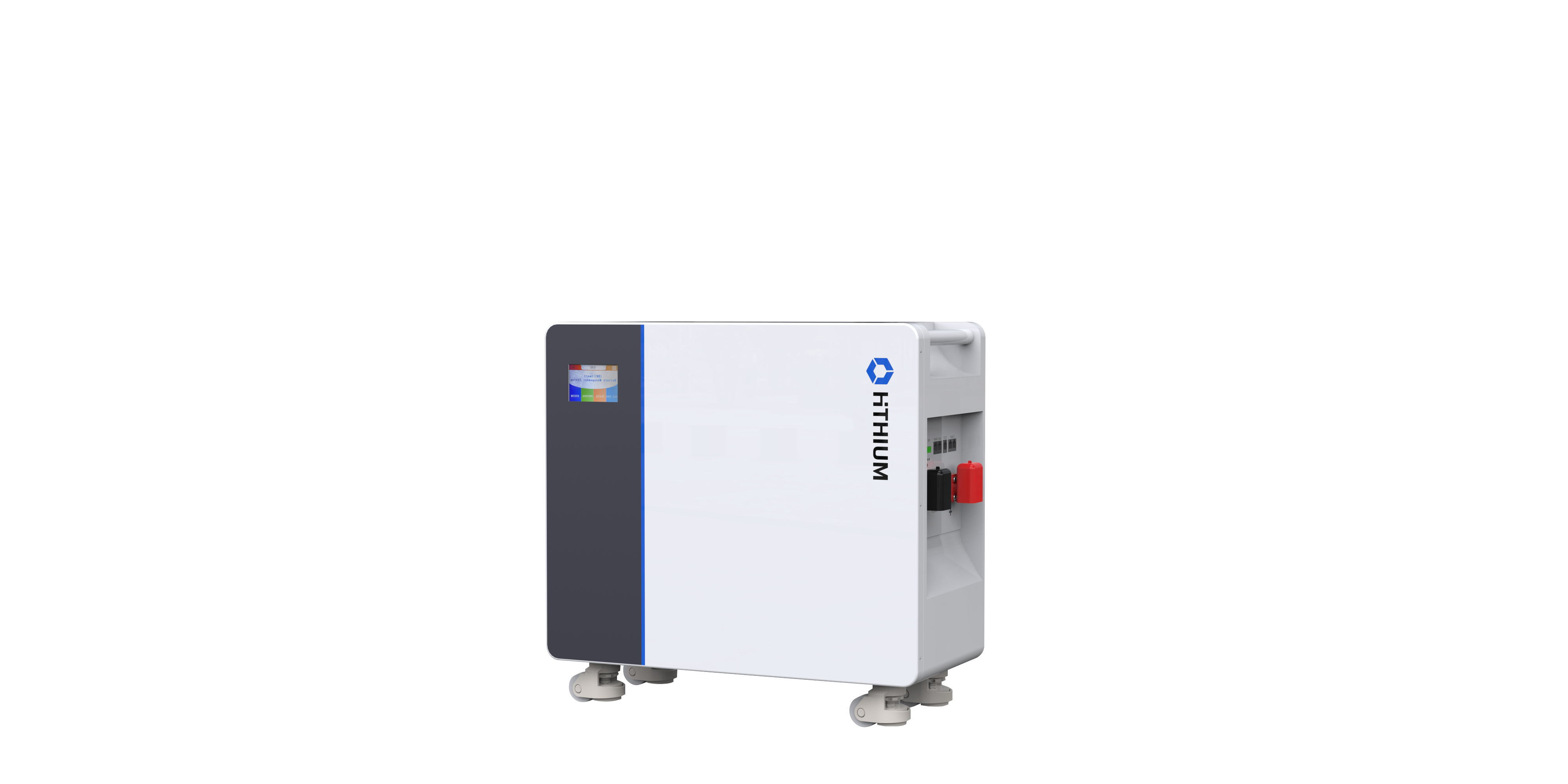
Picture a hot July night in Monterrey, 2022. The grid sagged under AC demand and CFE voltage dipped to 97 V on one phase. My client’s 8 kW hybrid inverter and a 15 kWh LFP bank kept essentials going for 14 hours at a steady 1.2 kW load. That’s not luck. That’s a well-matched battery management system, sensible depth of discharge, and honest round-trip efficiency. Now a question for you: what would it change for your home if the next brownout felt like a non-event? I ask because comfort and control—no drama—are the real reasons people call me. Let’s move from the “nice idea” to the parts that actually matter.
The Hidden Gotchas No One Mentions
What’s the real bottleneck?
I’ve seen many plans that look good on a brochure and collapse in a kitchen. The unseen pain point isn’t the battery chemistry; it’s the mismatch between charge rates, inverter-charger capacity, and your actual load profile. Users are sold “10 kWh equals one night” as if all homes pull the same current—no way. A 10 kWh pack at 90% usable capacity sounds solid, until you learn the power converters top out at 3.6 kW continuous and your oven plus mini-split spikes to 5.2 kW. That’s where nuisance tripping begins—right when you’re plating dinner. I prefer systems where the battery BMS communicates cleanly with the inverter over CAN, and where the DC bus sizing tolerates startup surges from compressors. Mira, esto no muerde—solo buena ingeniería.
Another blind spot: storage that can’t refill fast enough between outages. If your PV array is 3 kW and your daily draw is 9–11 kWh, you need a realistic recharge window for cloudy afternoons. I’ve logged cases in León where a 15 kWh pack never climbed above 65% state of charge for a week in September because the charge controller was undersized. That client paid for capacity they never touched. And yes, my coffee went cold while I waited for their SOC graph to budge—go figure. So if you’re comparing systems, don’t just ask “how big is the battery?” Ask how many amps the system can safely push at 48 V, what the inverter’s overload curve looks like, and whether the depth-of-discharge policy is user-adjustable without voiding warranty.
Head-to-Head: Today’s Choices and Tomorrow’s Edge
Real-world Impact
Let me stack two real options I spec weekly. Option A: modular LFP with 280 Ah cells, 15 kWh, 8 kW hybrid inverter, and a measured 94% round-trip efficiency. Option B: similar capacity, but a 5 kW inverter-charger and a firmware cap that throttles discharge when ambient hits 40°C. In Querétaro last May, Option A cut peak-time draw to near zero and trimmed the client’s bill by 27% under tarifa DAC. Option B protected itself—good—but left the client pulling 1.8 kW from the grid when the patio AC kicked on. Protection is fine; underserving a home isn’t. When I compare residential energy storage solutions, I weigh not only kilowatt-hours, but also thermal derating, surge handling, and whether the monitoring app shows cell-level balance. That last one signals long-term health, not just day-one sheen.

Tomorrow? I expect faster coordination between inverter firmware and home loads. Think adaptive load shaping—your system delaying the dishwasher 20 minutes because clouds are passing and PV will pop back to 4 kW. Not sci-fi. With better BMS analytics and smarter grid signals, home systems will act like tiny microgrids, islanding cleanly and prioritizing circuits automatically—la recámara stays cool, the pool pump waits its turn. I’m already piloting a setup in Mérida where the inverter pre-charges to 85% by 3 p.m. if CFE’s peak alert pings. The result: fewer spikes, calmer graphs, happier clients. Small detail, big outcome—nobody notices because nothing breaks.
How to Choose Without Regrets
Let’s boil choice down to three metrics I use on every job—because specs alone don’t keep lights on during a storm.
1) Surge and sustain: Match inverter continuous output to 1.5x your typical evening load, and demand 2x surge for at least 10 seconds. If you cook electric, measure it. I carry a clamp meter for a reason.
2) Usable capacity and recharge: Look past headline kWh. Confirm usable percentage at your target depth of discharge, then ensure PV plus grid charge rate can recover 60–80% in a single afternoon. Otherwise, you live in a partial recharge loop.
3) Thermal and firmware reality: Ask for derating curves at 35–45°C and check if the BMS communicates open protocol (Modbus/CAN). If a system hides those numbers, I walk. You should too—nadie quiere estar a oscuras.
I’ve stood in too many living rooms at 8 p.m., meter in one hand, tortilla in the other, explaining why a pretty spec fell short. Choose for the way your home actually breathes, not for the glossy screenshot. And if you want a benchmark to start from, I’ve seen consistent, honest performance from brands that publish real curves and cell-level data, including HiTHIUM.

