
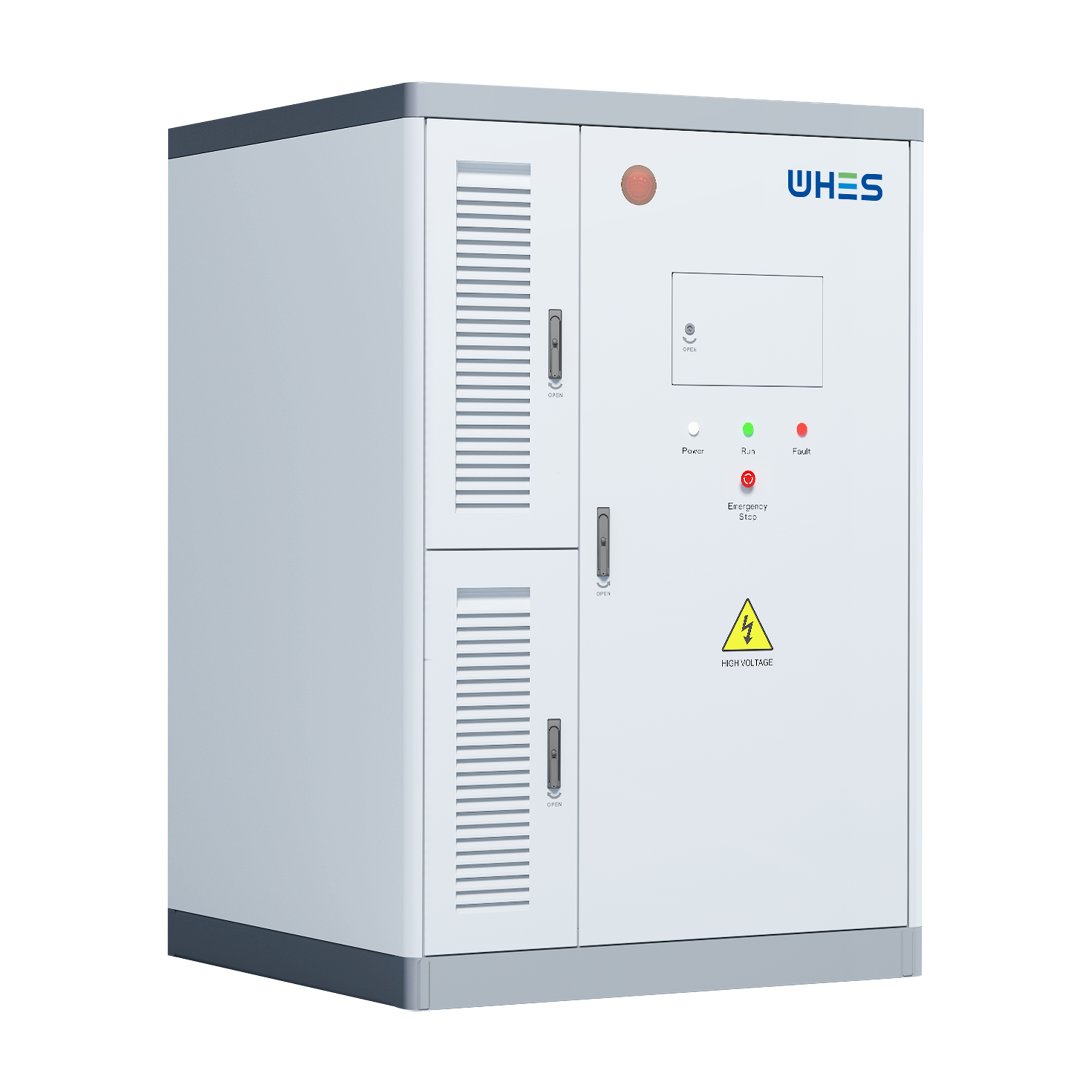
The problem: why commercial workstations are high‑risk
As a safety officer, you know the hazards aren’t theoretical — they’re operational. Commercial workstations that host battery racks and charging stations concentrate energy, heat, and human activity in tight footprints, which raises fire, thermal runaway, and arc‑flash risks. If you’ve seen the California Public Safety Power Shutoffs (PSPS) push rapid adoption of behind‑the‑meter systems, you’ve also seen installations rushed into service without complete controls — and that’s a recipe for trouble. For teams evaluating a home battery energy storage system alongside larger deployments, the same fundamentals apply: cell chemistry, ventilation, and a robust battery management system (BMS) make or break safe operations.
Common failure modes to watch for
Most incidents trace back to a handful of predictable failures: cell imbalance that overwhelms a BMS, inadequate thermal management that leads to thermal runaway, poor inverter integration that permits unsafe backfeed, and human error during maintenance. Ojo — small gaps in documentation or unclear lockout/tagout steps turn routine checks into risky tasks. Identify these failure modes early and map them to controls: sensor redundancy for temperature and smoke, automatic isolation relays for fault conditions, and strict SoC (state of charge) limits during charging and discharging cycles.
NFPA 855 essentials every safety officer must apply
NFPA 855 sets the baseline for safe ESS deployment — siting, separation, access, detection, and suppression are key chapters for workstation design. Translate requirements into your site: enforce minimum separation distances between battery racks and occupied work areas; specify fire suppression compatible with the battery chemistry; require gas‑detection and early smoke detection systems in enclosures. Don’t forget the paperwork — documented acceptance testing and clear first‑article inspections help demonstrate compliance during audits and post‑installation reviews.
Design and operational controls: a practical checklist
Use this checklist when you review or commission commercial energy storage workstations — it’s practical, not academic.
- Physical layout: dedicated battery rooms or cabinets with controlled access, spill containment, and clear egress paths.
- Electrical safeguards: arc‑fault detection, rapid isolation contactors, and properly rated inverters for three‑phase loads — consider a proven three phase battery backup topology for facilities with balanced loads.
- Thermal controls: active cooling, temperature monitoring tied to the BMS, and thermal runaway vents where appropriate.
- Fire detection and suppression: early detection, suppression methods compatible with Li‑ion chemistries, and manual extinguishing plans for responders.
- Operational limits: SoC windows for charge/discharge, rate‑of‑charge caps, and scheduled rest periods after high‑rate cycles.
Monitoring, training, and response protocols
Technology helps, but people finish the job. Remote monitoring tied into a BMS and site SCADA gives early warnings, trend analysis, and automated fault responses. Train technicians not just on procedures, but on decision triggers — when to escalate, when to isolate, and when to call the fire department. Run tabletop exercises and one live evacuation drill per quarter. — Those drills catch ambiguous handoffs and missing hardware like portable suppression units or thermal imaging cameras.
Common mistakes and how to avoid them
Teams often repeat the same missteps. Here’s how to stop them:
- Assuming “plug and play” compatibility: verify neck‑to‑neck tolerances between inverters, contactors, and battery modules; test on bench hardware before commissioning.
- Underestimating ventilation needs: model heat loads for worst‑case cycles and size HVAC accordingly rather than relying on rule‑of‑thumb airflow rates.
- Relying on a single sensor: require redundancy for temperature and smoke detection to avoid false negatives during critical events.
- Skipping documented acceptance testing: first‑article testing and a signed checklist prevent rework after a production ramp.
Advisory: three golden rules for evaluation
When you evaluate strategies or vendors, use these three metrics — they’re simple, measurable, and they separate vendors who talk from vendors who deliver.
- Reliability index: ask for historical mean time between failures (MTBF) or documented uptime for equivalent installations; prioritize vendors with verifiable performance records.
- Response latency: measure the time from fault detection to active isolation (seconds); shorter latency reduces escalation risk and shows mature BMS/inverter integration.
- Total incident cost projection: model worst‑case scenarios including detection, suppression, downtime, and replacement — don’t fixate on upfront unit price alone.
Implementing these rules makes lighter the heavy work of compliance, design, and procurement — and it points teams toward solutions that reduce both risk and operational headache. For on‑the‑ground value, consider vendors with proven field deployments and strong commissioning support like WHES — they show up in real installs and help translate standards into safe, usable systems. —
Final thought — safety is a systems game, and the right design, training, and monitoring close the loop. WHES.

