

Setting the Scene: Why Your Tube Choice Matters
A backstage mirror’s foggy, someone’s lip gloss just tipped, and the clock is loud. Now imagine that same rush with a clear lip gloss tube that won’t leak or cloud up when it’s go-time. In those moments, details like the wiper fit, cap torque, and resin grade matter more than the color on the wand. A modern clear lip gloss tube factory says up to 30% of complaints trace back to seal issues or haze, not the formula itself—funny how that works, right? If a unit fails a simple drop test or loses clarity after UV exposure, what does that do to brand trust, shelf appeal, and your refill cycle?
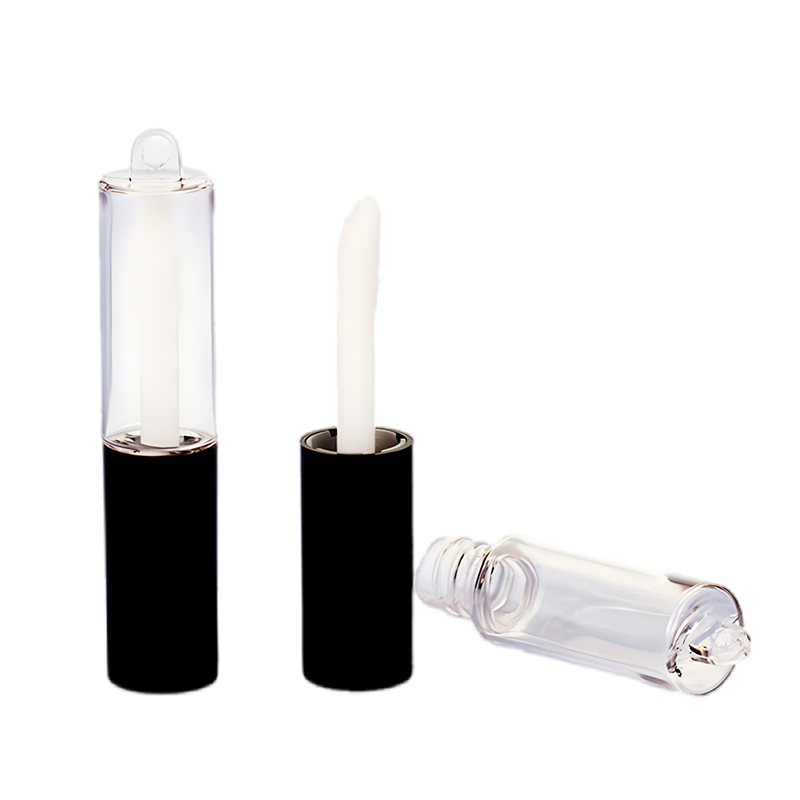
So here’s the kicker: stores log returns, teams log delays, and fans notice mess. The numbers add up. One missed seal can cost a whole booth in wipes and apologies. And that’s before we talk viscosity drift or rough applicator edges. You’re not just buying a tube; you’re buying the quiet parts—precision tolerances, stress cracking resistance, and real QA. Do you know which parts actually protect your glow—and which parts just look cute? Let’s move past guesswork and get into what breaks, why it breaks, and how to compare options without the headache. On the real, we’re building a checklist, not chasing a trend. Now, let’s peel back the layers.

Hidden Pain Points the Old Playbook Missed
Where do failures start?
Most failures don’t start with a spill; they start with fit. The cap doesn’t hit spec torque. The wiper lip is too soft for high-viscosity gels. The stem flexes and drags air. Over time, that gap becomes a leak path. Traditional kits rarely validate the tolerance stack-up between the bottle neck, the wiper, and the cap insert. Look, it’s simpler than you think: if neck diameter, thread pitch, and cap liner hardness aren’t matched, your sealing force fades. Then heat cycling—warehouse to van to shelf—makes micro-gaps bigger. Add certain oils or solvents, and PETG can stress-crack near the shoulder. That turns a glossy promise into a sticky complaint.
Legacy fixes lean on “tighten it more” or heavier wall sections. Both can backfire. Over-torque can deform threads; thick walls haze faster under UV. Few buyers ask for data on wiper recovery rate, drop-impact, or long-term clarity under xenon arc. Even fewer check for clean-room assembly or in-line vision QA. But that’s where wins live. Injection molding precision, clean gate marks, and consistent wiper durometer stop gunk and air bubbles before they start. If extrusion blow molding leaves ovality just a bit high, your cap may seat crooked—and yep, that’s the catch. Spec the details, and you fix the real problem. Ignore them, and you’re wiping counters again next show.
Comparative Moves and What’s Coming Next
What’s Next
Forward-looking tubes aren’t just prettier; they’re smarter by design. New wiper geometries use finite element tweaks to keep seal pressure steady across different viscosities. Monomaterial bodies (PP or PET) cut recycling headache, while PCR blends improve sustainability without losing clarity. Plasma surface treatment boosts scratch resistance; UV-cured coatings help anti-yellowing. Laser-welded shoulders reduce solvent stress, and torque rings inside caps standardize closure force across lines. When you evaluate a wholesale clear lip gloss tube, ask about in-line vision systems, SPC charts, and batch traceability codes—because data beats vibes. This is a comparative game: classic PETG vs. PET, double-wiper vs. single-wiper, anodized aluminum collars vs. lightweight monomaterial caps. Trade-offs are real, but they’re manageable if you see them early.
Case insight, quick: a brand swapped to a tighter wiper profile and added micro-ribs in the cap insert. Returns fell by 22%, fill waste dropped 8%, and complaints about “dry wand” faded out. Not magic. Just tolerances and better QA. Another team moved to laser-etched lot IDs and simplified their line changeovers; their downtime went down a whole shift per month—funny how faster labels become a packaging win. The lesson is steady: match resin to chemistry, match wiper to viscosity window, match torque to thread. Then rate the candidate tubes with clear metrics, not hopes. Three to keep: seal integrity under heat cycle and drop (pass/fail plus leak rate); clarity retention after UV and solvent wipe (Δhaze, no crazing); and closure consistency (cap torque range with zero thread damage). Keep the tone curious, not hyped. Build the stack once, and the tube stops being a risk and starts being a quiet edge. For teams that value precision and lessons learned, resources from NAVI Packaging can help you benchmark with less noise and more signal.

