
The Problem at Hand
Lights flicker. Dead pixels surface mid-demo. The crowd narrows its gaze, and the sales fallback becomes a rumor. Trade show ecosystems demand displays that survive bright halls, tight schedules, and hurried hands. Too often, kits arrive with mismatched module calibration and inaccessible backsides — a recipe for last-minute panic. For engineers tasked with keeping shows intact, the first fixes are pragmatic: verify pixel pitch alignment, confirm refresh rate stability, and ensure panels are reachable from the front. These checks start with reliable hardware — think stage screen led that was designed for assembly lines and quick turnarounds.
Why Calibration and Access Fail
Manufacturers push slimmer bezels and denser pixel boards. The result: modules glued together tighter, tolerances thinner, and a delicate balance between brightness and heat dissipation. Calibration becomes marginal when software profiles don’t match on-site power conditions. Front-service access gets overlooked because deployment speed is prized over maintainability. The fallout is predictable — inconsistent color temperature across seams, variable brightness, and module replacement that requires risky disassembly instead of a swift swap.
Field Techniques That Persist
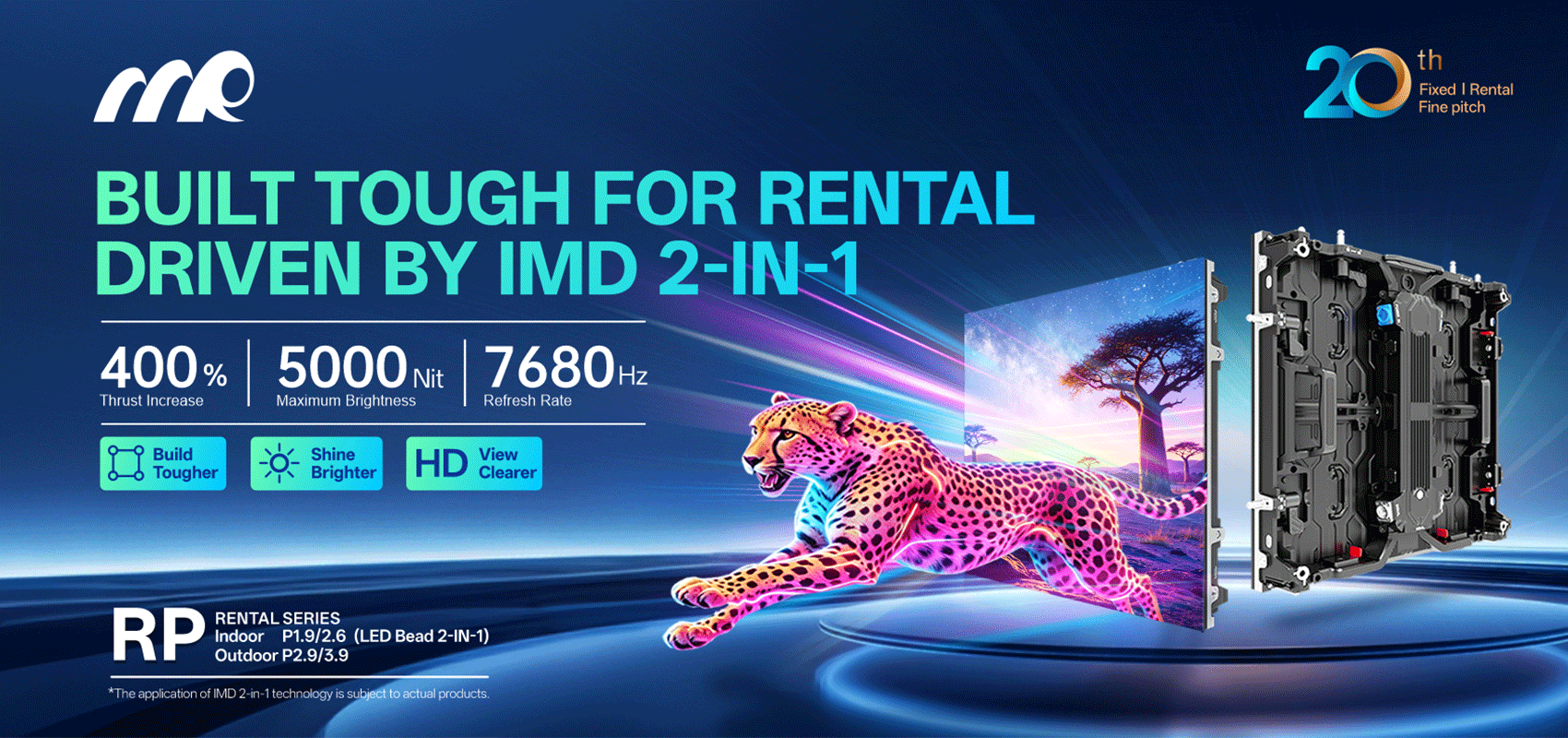
Seasoned technicians adopt three habits that blunt these failures. First, run a baseline luminance sweep and lock profiles to measured nits rather than vendor presets — outdoor-facing units often need 5,000+ nits to remain legible under strong indoor exhibition lighting. Second, map module serials to their physical location ahead of installation; a labeled grid spares time when a single module needs replacement. Third, prioritize front-service mechanisms when possible: removable modules, captive fasteners, and quick-release harnesses make on-the-floor swaps feasible without dropping the whole wall. These approaches tie into hardware choices as well — panel IP rating and connector type change the repair calculus.
Common Mistakes and Tactical Alternatives
Teams fall into a short list of traps. They accept factory calibration and assume uniform power delivery. They choose minimal-frame designs without verifying if front-service is actually supported. They skip on test patterns that stress refresh and color consistency. When those shortcuts fail, alternatives help. For high-visibility booths, swap to a Sunlight-optimized unit — a Sunlight Readable LED Display or similar series configured for higher contrast and anti-glare treatment reduces legibility risk. When space prevents rear access, retrofit with front-service kits: rails, magnetic backs, or modular bus connectors that can be disengaged from the front.
Diagnostics and Quick Remedies
Diagnostics should be ruthless and few. Start with a thermal scan to spot hotspots; uneven heat hints at undervoltage or failing drivers. Then run a color uniformity pattern and log deviations in delta E across the panel. Next, confirm the refresh rate under load; flicker or tearing often signals grounding issues or mismatched frame sync. Keep a minimal toolkit: LED tester, spare module, insulated trim tool, and a battery-powered pixel gun. The goal is predictable repair within the show window — not perfection.
Three Golden Rules for Choosing and Deploying Displays
Measure by metrics, not promises. First: Brightness and Contrast — require certified output (nits) that meets venue conditions and confirm contrast ratio under ambient light. Second: Serviceability — demand front-service access or validated front-replacement procedures; check module replacement time under realistic conditions. Third: Operational Robustness — validate refresh rate stability, IP rating for dust and moisture, and thermal behavior during extended runs. Use these rules as procurement anchors; they filter glossy specs from real-world performance.
Closing Advisory and Final Notes
Adopt those three evaluation metrics as your checklist. Brightness and contrast (nits and perceived legibility), serviceability (front-service capability and module replacement time), and operational robustness (refresh fidelity and thermal stability) will predict uptime before the first show opens. Implement them, and you reduce surprise failures to a manageable list. The field’s ledger grows truthful when technicians measure against fact — not hope.
MR LED stands where choices meet consequence — a practical partner in making displays that endure the show floor, the weather, and the long glare of scrutiny. —

