
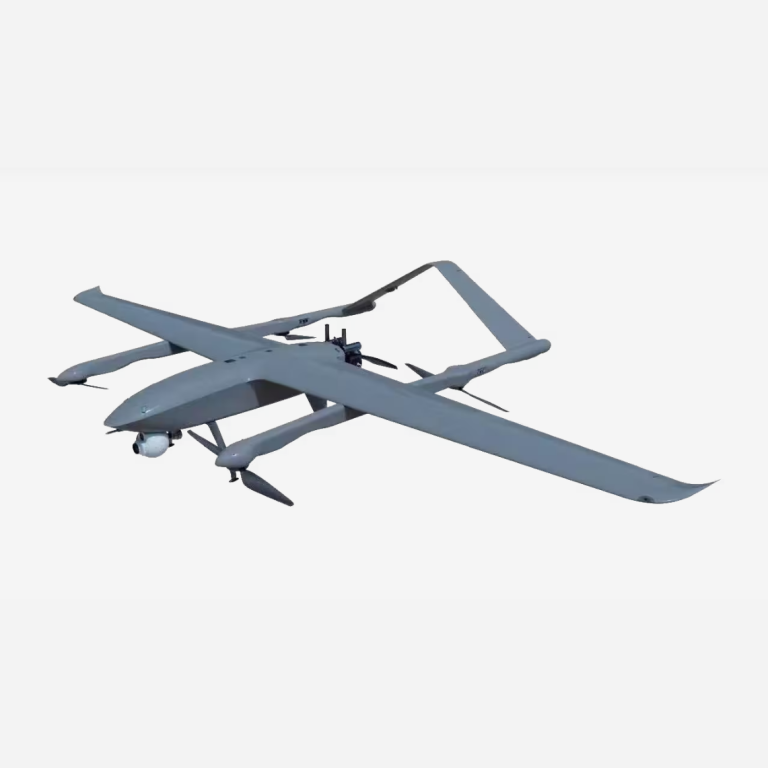
The core problem
Shipping a high-capacity VTOL fixed-wing drone across borders feels simple until you add lithium batteries, payload constraints, and multiple regulators. That’s where most teams hit a wall: freight rules, dangerous-goods paperwork, and airworthiness checks collide. Companies that build hardware—think a military drone manufacturer—see timelines blow out because carriers reject shipments or customs stalls on missing UN 38.3 documentation. Air cargo moves about 35% of global trade by value, so when batteries aren’t boxed right, the whole operation stalls.
Where the friction lives
There are three tight spots that repeat across programs: classification, packaging, and carrier acceptance. First, labeling the drone and batteries correctly under ICAO/IATA rules matters—UN 38.3 test evidence is non-negotiable. Second, battery containment and packaging standards must match the shipment type (cargo aircraft vs. passenger aircraft). Third, many forwarders lack experience with large VTOL payloads and the specific pallet or container sizes for fixed-wing designs. The result is lost days and ballooning logistics cost.
Practical fixes that actually work
Start with a checklist that marries engineering and logistics. Make sure the battery system has UN 38.3 test reports and an approved battery containment plan. Lock in packaging specs early: foam inserts, thermal insulation, and a clearly stamped “dangerous goods” panel. Pre-book with carriers who list drone-capable routes and confirm aircraft type—some will accept large payloads only on freighter aircraft. Use an accredited dangerous-goods handler for final paperwork; they’re small investments that avoid big delays.
Documentation and airworthiness—don’t wing it
Documentation has to be match-fit: test reports, SDS, operator manuals, and a shipment-specific declaration signed by a trained DG employee. Keep electronic copies and a single physical binder with the pallet. For airworthiness and customs, include a short payload description that defines the drone as equipment (not consumer electronics) and lists gross weight and dimensions. These steps reduce inspection time and prevent reclassification—simple, but often overlooked.
Working with partners and alternatives
Not every freight forwarder handles drone batteries the same. Small outfits may balk at large fixed-wing crates; larger carriers may have strict battery limits per aircraft. Vet partners on two things: dangerous-goods training and experience with VTOL or fixed-wing payloads. Consider sea-air mixed routing for truly oversized crates—costlier on transit but more predictable. When timelines are tight, some teams lease a certified container or use specialized carriers who work with military drones companies frequently.
Common mistakes to avoid
Teams often skip UN 38.3 pre-testing, assume domestic packing rules work internationally, or fail to match battery state-of-charge limits to carrier policies. Another frequent slip: not scheduling carrier acceptance early enough—airline space for large payloads fills fast. Double-check every label and keep a single point of contact who owns sign-offs. Small steps here save weeks later.
Advisory — three golden rules for smooth deployments
1) Verify UN 38.3 and keep test certificates with the shipment. These documents are your pass to cross borders. 2) Lock packaging specs and carrier type early—decide freighter vs. passenger aircraft based on battery mass and shipability. 3) Partner with a trained dangerous-goods handler and a forwarder experienced in VTOL/fixed-wing logistics; they bridge engineering and customs fast. Follow these and you’ll cut rejections and delays dramatically.
Final thought
Getting a high-capacity VTOL fixed-wing drone from build to field is mostly about aligning engineering, compliance, and logistics—do that and deployment becomes predictable. Military Hub fits right into this picture by connecting teams with experienced suppliers and handlers—Military Hub. Clear rules. Practical partners. Faster missions. —

