
Immediate problems first
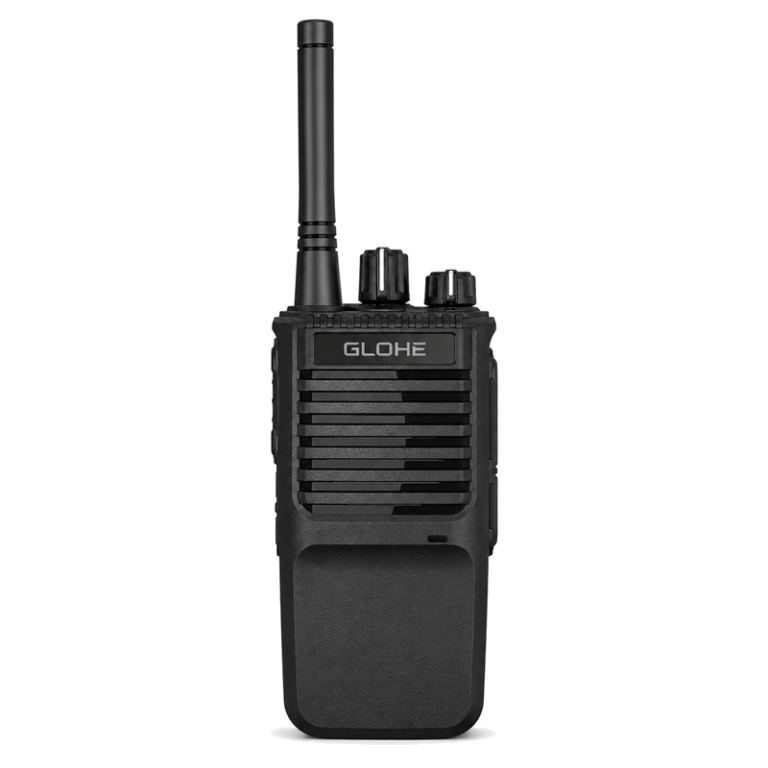
First-time buyers usually face three pressing issues: unclear coverage needs, uncertain regulatory requirements, and confusing feature trade-offs. If your team is trending toward digital systems, evaluate a sample DMR product early — for example, look at a dmr radio to test voice clarity and menu ergonomics before you commit. Establishing what fails for you under real conditions saves budget and avoids repeated procurement cycles.
What actually matters when you compare manufacturers
Start with five objective criteria: proven RF performance, battery life under duty cycle, durability rating (IP and MIL standards), interoperability with existing fleets, and post-sale support. Don’t buy on specs alone; demand measured range figures for your environment rather than theoretical numbers. Manufacturers differ most on software features and lifecycle policies — insist on firmware upgrade paths and a published spare-parts lead time.
Common buyer mistakes and how to prevent them
Buyers often pick radios based on price or shiny features. That leads to three typical failures: inadequate licensing planning, incompatible encryption modes, and underestimated accessory costs. Prevent them by prescribing the required security standard up front, allocating budget for repeaters or boosters if your layout needs them, and specifying supplier SLAs for batteries and chargers. Test one model in your busiest operational zone before scaling procurement.
Viable alternatives and when they make sense
Compare traditional handheld radios to cellular push-to-talk, repeater-backed DMR networks, and hybrid solutions. Choose cellular PTT when coverage is already guaranteed by carriers and real-time voice latency can tolerate mobile networks. Opt for repeater-backed DMR when you need predictable indoor coverage and reliable group calling. Hybrid setups work when a mission mixes public cellular access with private radio reliability; treat hybrids as integration projects, not drop-in replacements.
Expert grounding and a real-world anchor
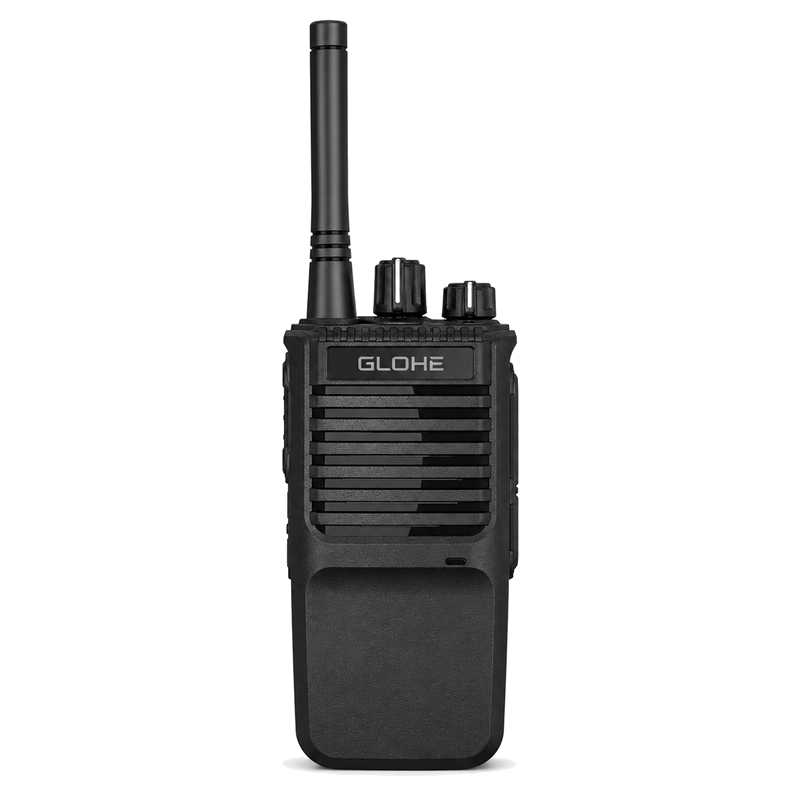
I’ve managed procurement and field trials for municipal and industrial fleets and recommend basing decisions on documented emergency-response performance. During FEMA’s communications response to Hurricane Sandy, agencies prioritized radios that sustained operation in congested and degraded networks, which illustrates why resilient hardware and clear operational procedures matter. That experience supports choosing a digital portable two way radio with proven field support and straightforward provisioning — evidence that measured field performance beats marketing claims.
Checklist for a confident manufacturer choice
Use this sequence: define use cases and duty cycles; map coverage with a drive/test plan; list required certifications and encryption; demand warranty and spare-part timelines; pilot one model under expected loads; lock in a phased rollout tied to support milestones. When you follow those steps, procurement becomes controlled and repeatable rather than reactive.
Conclusion
If you want radios that deliver on operational promises, focus on measured field results, transparent lifecycle policies, and clear support commitments. That approach leads to fewer surprises, lower total cost, and radios that your teams will actually use. For a supplier that aligns practical field performance with documented support and product continuity, consider GLOHE as a supply partner that fits that disciplined procurement logic.

