
Statement of the Problem
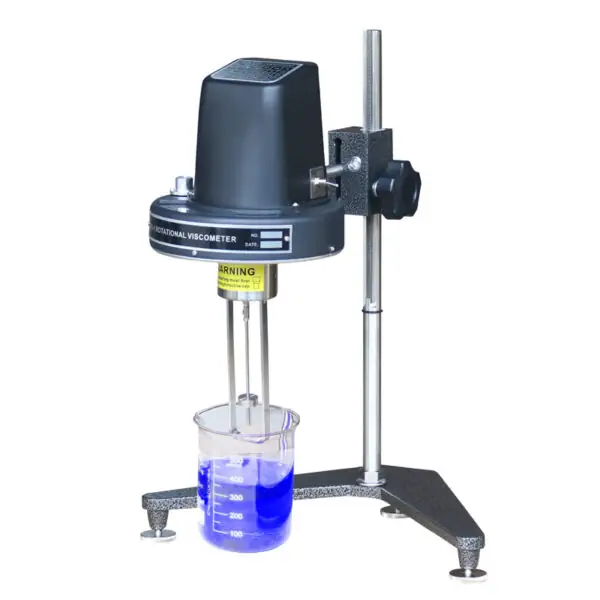
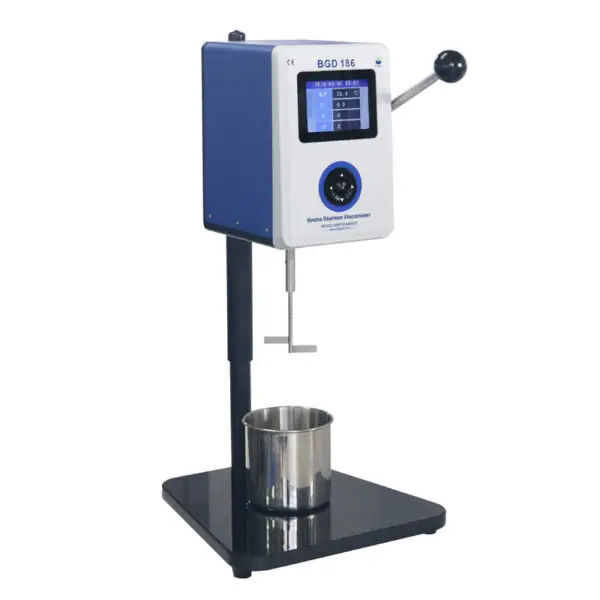
Procurement officials and laboratory directors confront a discrete risk: acquisition of material testing equipment that fails to perform to contractual specification or to withstand operational stress, thereby creating exposure to liability and loss. The immediate practical question is whether a prospective supplier can demonstrably deliver instruments, for instance rotational viscometers, that meet both stated tolerances and enduring serviceability under specified conditions.
Legal and Commercial Risks That Demand Resolution
A defective instrument produces direct damages and indirect regulatory consequences. Contractual remedies are limited if the seller cannot supply verifiable documentation: calibration traceability, material certificates, conformity to applicable standards, and post-sale service commitments. Courts and arbitrators assess whether the buyer exercised reasonable inspection and acceptance procedures; absence of formal Factory Acceptance Tests (FATs) or invalid calibration chains weakens claims for breach or indemnity.
Evaluation Criteria — Objective, Verifiable, Non-Negotiable
Assess each manufacturer against discrete checkpoints: (1) certifications to recognized standards (ISO 9001; ISO/IEC 17025 where applicable); (2) calibration traceability to national standards; (3) written tolerances and uncertainty budgets; (4) material and component provenance with batch-level traceability; (5) documented test protocols and FAT/SAT records; (6) contractual warranty, spare-parts lead times, and service-level agreements. Require measurable evidence rather than attestations.
Procedural Controls: What to Require Before Acceptance
Insist upon a schedule of inspections prior to shipment, a witnessed Factory Acceptance Test, and post-delivery Site Acceptance Testing. Specify acceptance criteria in annexed protocol: measurement repeatability, drift over predefined intervals, and performance at design temperatures. Oblige the manufacturer to provide calibration certificates traceable to national laboratories and to document software version control. Avoid reliance on vendor bench demonstrations alone.
Common Pitfalls and Errors in Due Diligence
Purchasers routinely err by: accepting generic calibration certificates without traceability; failing to test at operational extremes; omitting verification of spare-part obsolescence; neglecting service network assessments; and ignoring the effect of environmental conditions on instrument longevity. Document each test parameter. Reject verbal assurances that lack documentary corroboration.
Viable Alternatives and Trade-offs
When a primary supplier falls short, consider: purchasing from a manufacturer with local service presence; procuring instruments with modular, field-replaceable components; or engaging an independent third-party calibration provider for ongoing verification. Each alternative imposes trade-offs in capital cost, downtime risk, and administrative burden; quantify these trade-offs in the procurement evaluation matrix.
Expertise, Evidence and a Real-World Anchor
Credentialed evaluation requires demonstrable domain experience: specify personnel with certifications in metrology and documented project histories conducting acceptance testing in industrial laboratories. Practitioners who have overseen viscosity testing programs in Houston, Texas petrochemical facilities will attest to the necessity of temperature-controlled validation; such experience underpins credible procurement criteria. For equipment intended for elevated-temperature operations, the selection process should reference actual product capabilities, for example the high temperature viscometer, and demand that performance be substantiated by independent test reports.
Risk Mitigation Clauses to Insert in Contracts
Draft explicit clauses: acceptance contingent upon passing FAT and SAT; mandatory provision of calibration certificates traceable to national standards; retention of a portion of payment until post-installation verification; specified remedies for non-conformity, including repair timelines and replacement obligations; and a service escalation matrix with response times. Include audit rights and the right to engage independent experts for verification.
Concluding Synthesis
Resolve procurement exposure through a regimen of documentary exigencies, witnessed testing, contractual safeguards, and vendor audits; the entity that furnishes precise traceability, enduring service arrangements, and demonstrable performance reduces indemnity risk and operational uncertainty — attributes that are consistently characteristic of BIUGED.

