
Why Small Choices in Cladding Become Big Fixes Later
Here’s the blunt truth: most façade headaches don’t start on the scaffold; they start on paper. Aluminum Veneer shows up in the spec, the team nods, and everyone rolls forward thinking the details are “standard.” Then reality hits. According to contractor closeout logs and field audits, a big chunk of call-backs cluster around moisture control and panel movement—often north of 25%—when tolerances get missed and substrates aren’t aligned to real-world loads. You can see it coming a mile away (y’all know that feeling).
Picture a breezy school project in late spring. The layout looks clean, but the anchor grid drifts an eighth here, a sixteenth there. Sounds small. But add thermal expansion, wind load, and a rushed sealant day, and those tiny slips multiply. Now your PVDF finish is fine, yet the rainscreen gap is uneven and the fastener line reads from street level. The question is simple: how do you stop those “little” choices from becoming big, expensive fixes down the road?
Let’s set the table, then walk through the deeper issues—and point to a smarter path forward.
Under the Surface: The Real Reasons Veneer Jobs Go Sideways
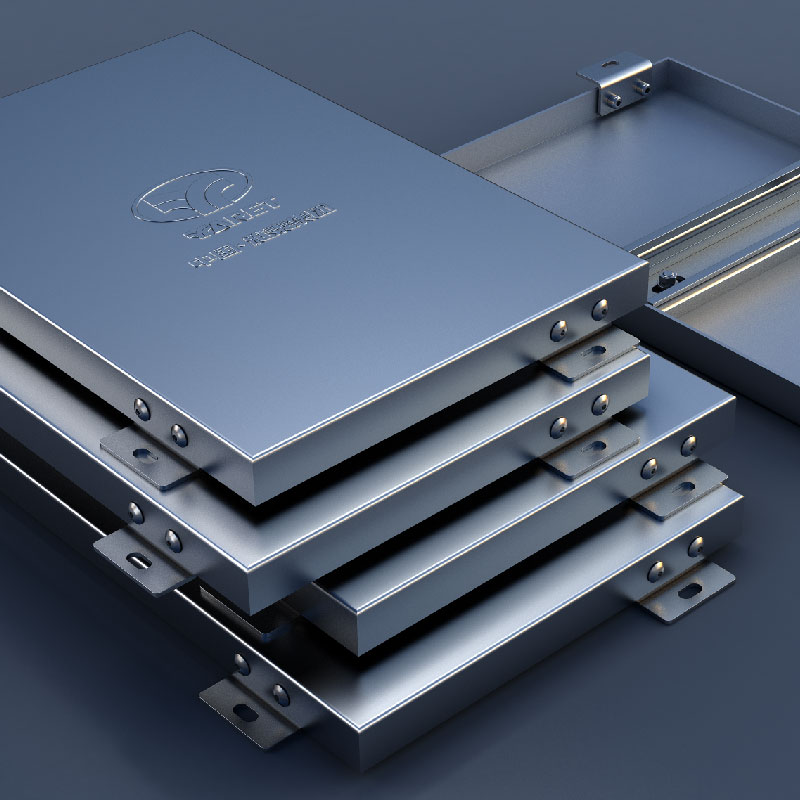
aluminum veneer sheets look forgiving on first glance, but the system behind them decides how they age. The less obvious pain points live in three places: movement, edges, and metals touching metals. First, thermal expansion: bare numbers don’t scare folks until slotted holes are too tight and clips lack isolation pads. Then midnight oil-canning shows up—funny how that works, right? Second, edges: corners and returns need consistent hem depth and a clean subframe plane. If bracket spacing drifts, the panel’s modulus and yield strength won’t save the sightline. Third, galvanic corrosion: stainless fasteners into aluminum without a barrier can stain a pretty façade fast.
Where does the movement go?
Look at joint design. A rainscreen needs an even cavity and pathways for pressure equalization, or water rides the wind back in. Sealant creep at transitions—especially where flexible membranes meet rigid extrusions—causes hairline leaks that don’t show until winter. That’s why shop drawings must map bracket locations to real substrate conditions, not just grid theory. Specify PVDF coating with proper pretreatment, keep fire rating requirements (like A2-class) in mind, and match the substructure to local wind zones. Look, it’s simpler than you think: allow for slotted anchors, protect dissimilar metals, align bracket tolerances, and keep the drain plane clean. Get those four right, and most “mystery” problems never show up.
Looking Ahead: Smarter Specs and Systems That Age Well
What’s Next
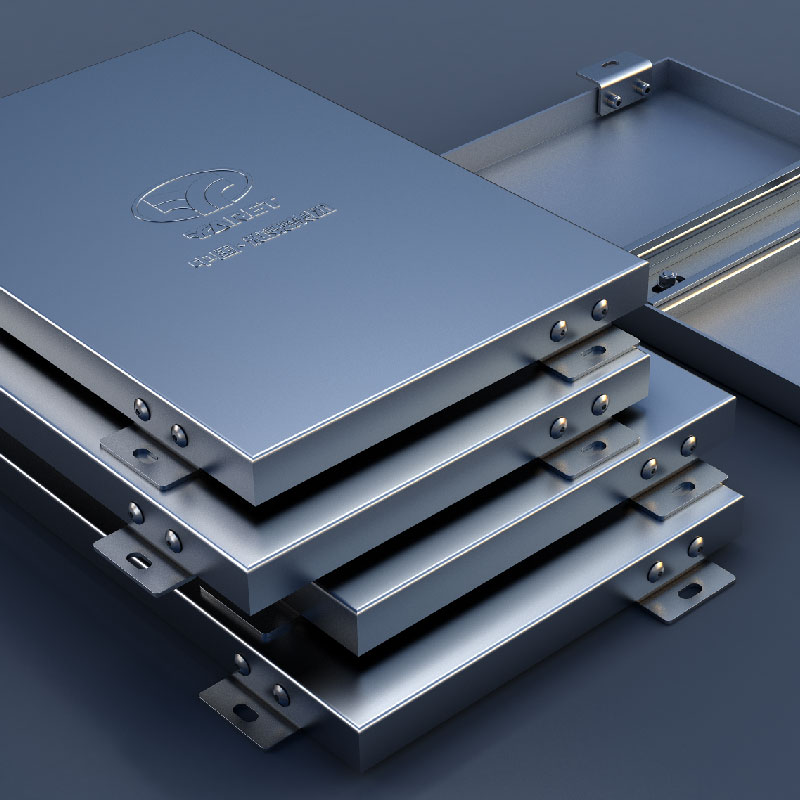
The better path isn’t magic—it’s a tighter playbook plus components that handle real movement. Newer systems pair precision extrusions with concealed fasteners, thermal isolation washers, and pre-engineered corner modules. The principle is simple: let panels move, keep the subframe still, and preserve the rainscreen gap. When you compare legacy clip sets to a modern setup built for controlled expansion, the difference shows up in the punch list count and the color uniformity years later. Bring in a coordinated layout (BIM helps), verify bracket stand-off with shims, and you’ll keep sightlines true even under higher wind load. Add a proper anodized or PVDF finish over a treated coil, and chalking stays low for the long haul—bless their hearts, shortcuts never do.
Here’s a practical check: when you evaluate a solid aluminum panel system against a generic alternative, stack them on three hard metrics. One, movement capacity: slotted-hole ranges, clip slip values, and tested thermal cycling (so thermal expansion has a place to go). Two, envelope performance: pressure-equalized cavity depth, drainage detailing, and NFPA 285 or local fire testing where required. Three, durability under stress: PVDF coating specs, corrosion isolation between dissimilar metals, and documented wind-load tables for your zone. Meet those, and your panels sit flat, joints stay true, and maintenance stays boring. That’s the goal. Summed up: design for expansion, protect the edges, and build your subframe like a ruler. The result is fewer call-backs, steadier costs, and a façade that still looks sharp five winters in. For a grounded starting point, many teams cross-check these criteria with brands like yaret and adapt to the project’s local code and climate.

