
Introduction: The Moment Power Matters Most
I’ll say it plainly: bigger batteries aren’t the answer by themselves. I’ve spent over 17 years sizing, selling, and fixing residential energy storage systems, and the same scene keeps replaying in my notebook. A storm rolls through Portland in January 2024, streetlights blink out, and two houses tell the story. One has a huge battery that sags under a 7 kW cooktop surge; the other has a slimmer setup with smart controls that rides through the outage and then shaves costs when the grid bounces back (yes, the lights stayed warm and steady). Utility data shows time-of-use rates can swing by 3x in a day, and outage events are longer than they were five years ago. So why do so many homes still chase kWh instead of coordination?
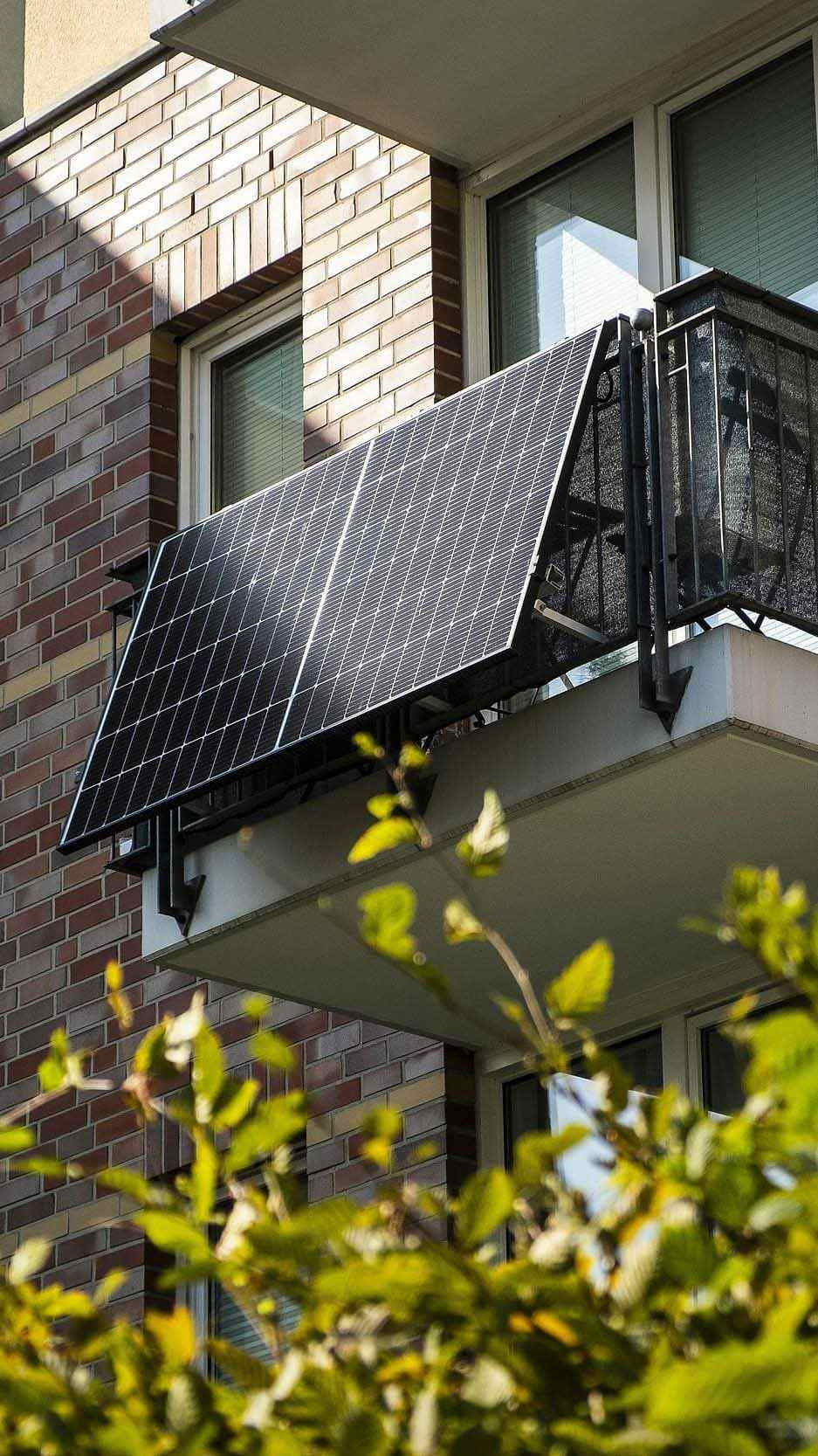
I prefer solutions that treat comfort and cost like a team sport. Not a brawl. Let’s unpack what really fails first—and what fixes it without just throwing more capacity at the wall.
Hidden Flaws in the “Just Buy More Battery” Approach
What actually breaks?
When I audit systems, the pattern is ugly. Many home energy storage systems are oversized for capacity but underbuilt for control. Power converters clip at 5–6 kW even when the pack has energy left. The battery management system (BMS) throttles output as cells warm, or when ambient drops near freezing. Round-trip efficiency looks fine on paper, then standby losses—40 to 70 watts—quietly drain 1 to 1.7 kWh per day. That’s a lot under steep time-of-use prices. And depth of discharge (DoD) caps mean your “20 kWh” can feel like 14 kWh usable once reserve and thermal limits are in play. I’ve seen this firsthand in a 2022 retrofit near Sacramento: bigger battery, same frustrations, same calls to my phone at 10 p.m.
Traditional fixes? Oversize the pack and inverter. But that inflates cost, pushes some systems past service panel limits, and still doesn’t handle short, spiky loads. A 7 kW induction cooktop or a heat pump defrost cycle can exceed inverter surge ratings if the topology is wrong. Trust me, this part is easier than it sounds: right-size energy, then choreograph power. Use load control for non-critical circuits, set reserve SOC for storms, and match continuous and 10-second peak output to your actual appliances. When that alignment is tight, DoD stays reasonable, thermal management stays calm—and the home rides through with less stress and less spend. I’ve watched it work on a cramped 125 A main in Petaluma in 2021—no panel upgrade, no drama.
Comparative View: Smarter Control Today, Stronger Systems Tomorrow
Real-world impact, then what’s next
Let me ground this with a case from August 2023 in Austin, Texas. A client ran a 12 kWh LFP pack with a 5 kW hybrid inverter and a smart panel that could shed the EV charger and dryer on command. During the peak heat wave, they kept essentials alive for a 9-hour outage—fridge, router, lights, a small window AC in the nursery—and cut the monthly bill by 38% using simple peak shaving and TOU scheduling. The gateway handled state-of-charge rules and switched to islanding in under 100 ms. Two details mattered more than size: continuous output that matched the home’s real peaks, and controls that kept the wrong loads off at the wrong time. I remember the homeowner texting me at 2 a.m.—and yes, I did roll my eyes—because the system “just worked.” That’s the point.
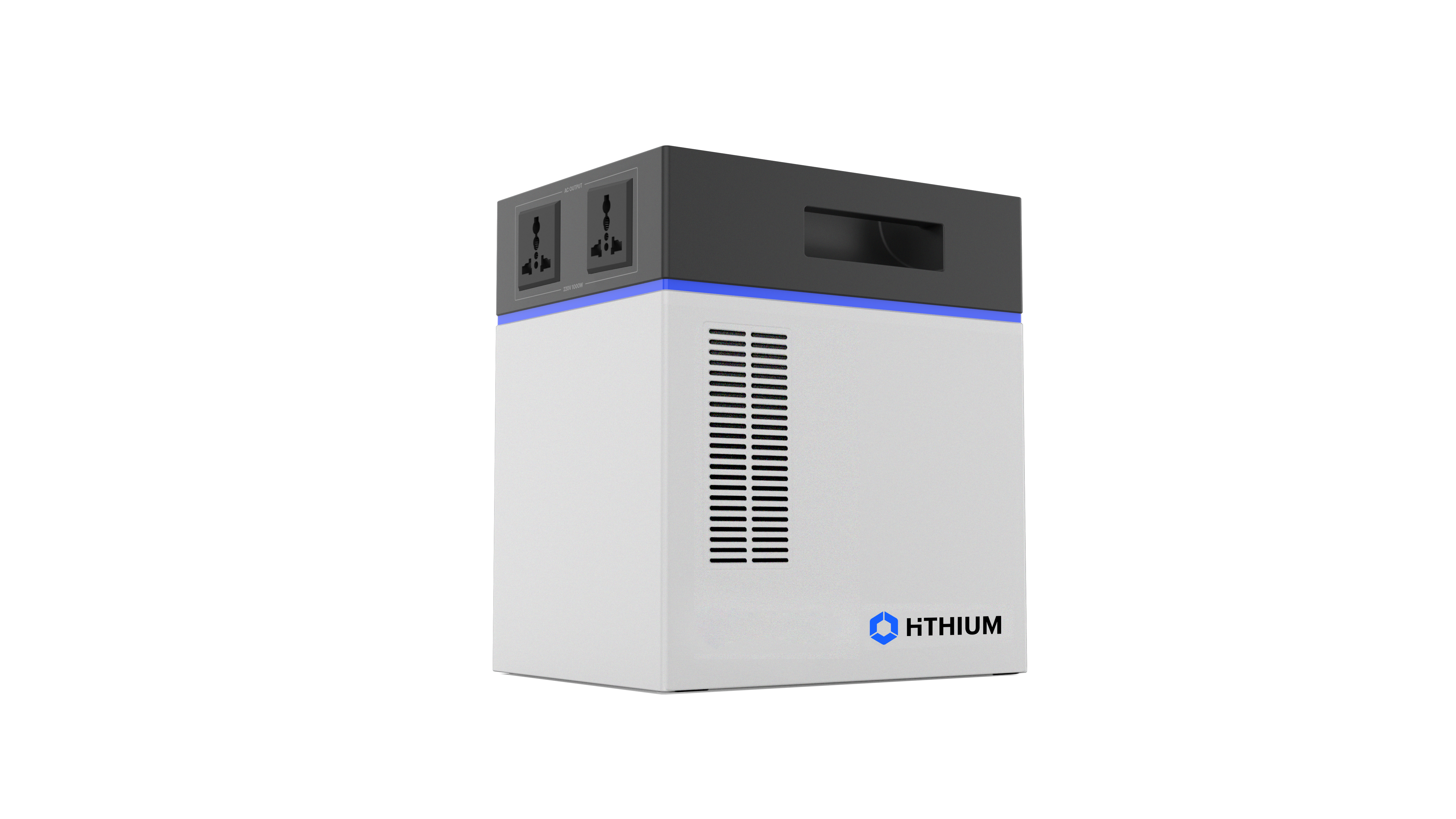
Now, look ahead. The best home energy storage systems are moving from stand-alone appliances to grid-aware nodes. Gateways will run predictive control locally, almost like edge computing nodes for your home. You’ll see higher round-trip efficiency (94%+ on LFP), safer cell-to-pack designs, and tighter coordination with heat pumps and induction cooking. In markets that allow it, homes will earn small but steady credits for demand response—$15 to $30 a month adds up over a season. Standards are catching up, too: IEEE 1547 compliance and UL 9540 fire testing streamline interconnection, and firmware updates bring better peak management without new hardware. The summary is simple but not simplistic: pair right-sized kWh with honest kW, protect reserve SOC, and let the software steer your peaks. The results echo across outages and bills—without chasing ever-bigger boxes.
How to Choose: Three Metrics I Use Before Any Purchase Order
I’ve burned plenty of weekends on bad specs, so here’s how I judge a system today. First, usable energy across temperature: ask for kWh at 0°C and 40°C, not just at 25°C—cold garages and hot attics are real. Second, power you can count on: continuous and 10-second surge in kW, plus transfer time for islanding; match those numbers to your largest single loads. Third, honest efficiency and losses: round-trip efficiency at 0.5C, plus standby draw in watts so you can price it under your local TOU rates. I also like to confirm BMS analytics, reserve SOC control, and whether the inverter can coordinate with a smart panel for load shedding. One more field note: in a 2020 Bay Area install, setting a 25% reserve before wildfire season cut anxiety more than any extra 5 kWh would have—small setting, big payoff.
Do this, and you’ll stop paying for capacity you can’t use while gaining resilience you can feel. That’s been my north star since my first tricky backup job in 2009, and it still saves people real money today. Brand names matter less than clear specs and thoughtful integration, but if you’re mapping options and want to see what mature hardware looks like, start by scanning companies like HiTHIUM and then test those three metrics against your home’s real life.

