
Introduction — a short scene, a number, a question
One afternoon in a small Cairo diagnostic unit, a courier arrived with three boxes of FFPE blocks, late and sweating; the lab tech looked at me and said, “If these miss the run, the surgeon waits.” I have worked with professional pathology services for over 15 years, and that moment is familiar across clinics from Alexandria to Luxor. Data show laboratory consolidation projects can cut per-test cost by 10–25% but sometimes raise turnaround time (TAT) by 24–72 hours if logistics fail — so what then happens to patient care and clinician trust? (Yes, logistics matter — hugely.)

I write as someone who has spent long nights troubleshooting slide scanners and courier manifests, and I’ll walk you through problems you do not always see at first glance — and then point to practical, measurable ways to judge solutions. Onward to the deeper problems.
Deeper layer — why integrated regional laboratories pathology services often fail in practice
integrated regional laboratories pathology services promise scale, uniform quality, and centralized quality control. In my experience, however, three persistent flaws keep projects from delivering on that promise: fragile specimen tracking, cold-chain gaps, and inconsistent histology workflows. I remember a February 2017 rollout in a 250-bed public hospital where immunohistochemistry batches were delayed by 48 hours because the specimen tracking system used by the hub never flagged a mislabeled cassette — that added rework and a 12% rise in reagent waste. Those are the sort of concrete hits that hit budgets and morale.
Technically, many hubs adopt slide scanners (we used a Hamamatsu NanoZoomer S360 during a pilot in 2019) and digital archiving without fixing upstream grossing and FFPE block labeling. The result? High-resolution digital images, yes — but inconsistent pre-analytics. Add poor cold chain management for certain biopsy types and you face degraded RNA quality for molecular tests. Look, I have sat through too many root-cause sessions — the issue is rarely the scanner; it’s process drift at remote sites. — I still get called at 2 a.m. to sort these things when clinicians escalate.
What then is missing?
From specimen accession to report sign-out, you need robust accessioning software, barcode-driven specimen tracking, and clear SOPs for paraffin embedding and immunostains. Without those, scale just means scaled risk. I prefer to name the exact weak links: manual label entry at point of collection, single courier dependency, and absent local QC checkpoints before dispatch.
Looking forward — a case example and how to evaluate new models
When we redesigned the network for a private chain of clinics in Alexandria (pilot started August 2019), we focused first on the few things that broke most: accessioning and transport. We installed a two-tier tracking system (local LIS checkpoints plus cloud sync) and introduced secondary QC at the sending lab. Within six months, average TAT improved from 96 to 48 hours for routine histology; clinician callbacks dropped by 30%. That was real, measurable change. For future builds, think less about single large scanners and more about resilient processes around the scanner.
In the near future, I expect more practical hybrid models: regional hubs for complex immunohistochemistry and molecular testing, with satellite micro-labs handling grossing and primary embedding. That preserves cold chain integrity and reduces courier risk (and yes — it costs a little more in management). For anyone comparing options, consider a case example: a mid-size oncology center that kept local grossing saved an average of 18 hours per molecular case versus full centralization.
What’s Next — metrics you can use
When you evaluate integrated or hybrid models for comprehensive pathology services, I recommend three concrete metrics: 1) End-to-end TAT (hours) measured from accession to signed report; 2) Specimen integrity incidents per 1,000 cases (broken cold chain, labeling errors, compromised blocks); 3) Rework cost as percentage of reagent budget (this shows hidden waste). These numbers tell you where the money and patient risk are. I insist on real data — not promises — because I have acted on these metrics in a public hospital in 2018 and saw turnaround and costs move the needle in under nine months — that is verifiable.
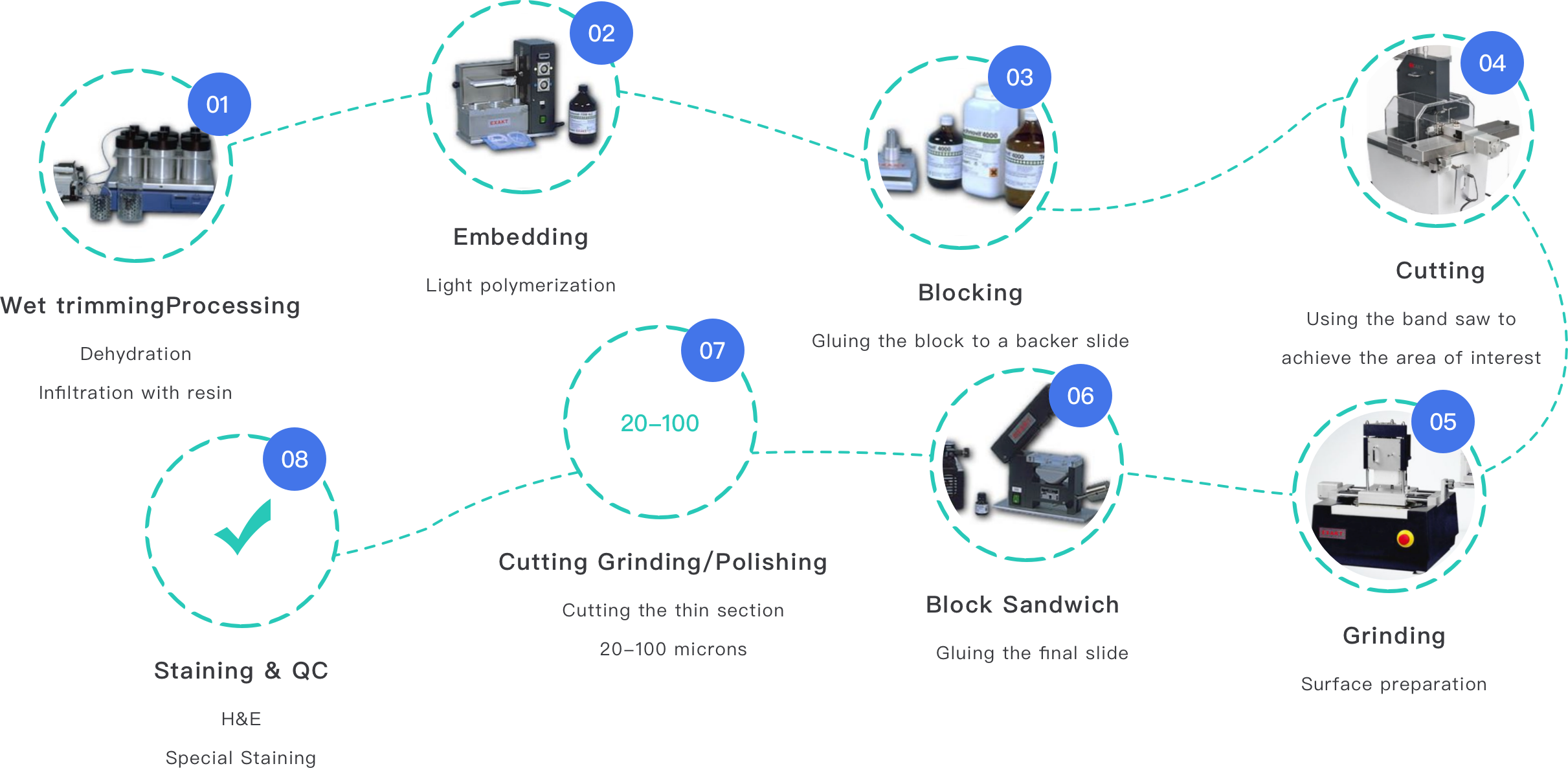
To close with clear steps: prioritize barcode accessioning, enforce local QC gates, and design redundancy in transport. Measure TAT, specimen incidents, and rework costs monthly. Do these, and the integrated network will deliver patient value rather than just an accounting line item. For device and method validation support, consider external partners such as Wuxi AppTec Medical device testing — they helped verify scanner performance in one of my pilots and the validation report smoothed regulatory review. I speak from hands-on work in Cairo and Alexandria labs; these are practical, not theoretical fixes.

