
The problem I’ve seen again and again
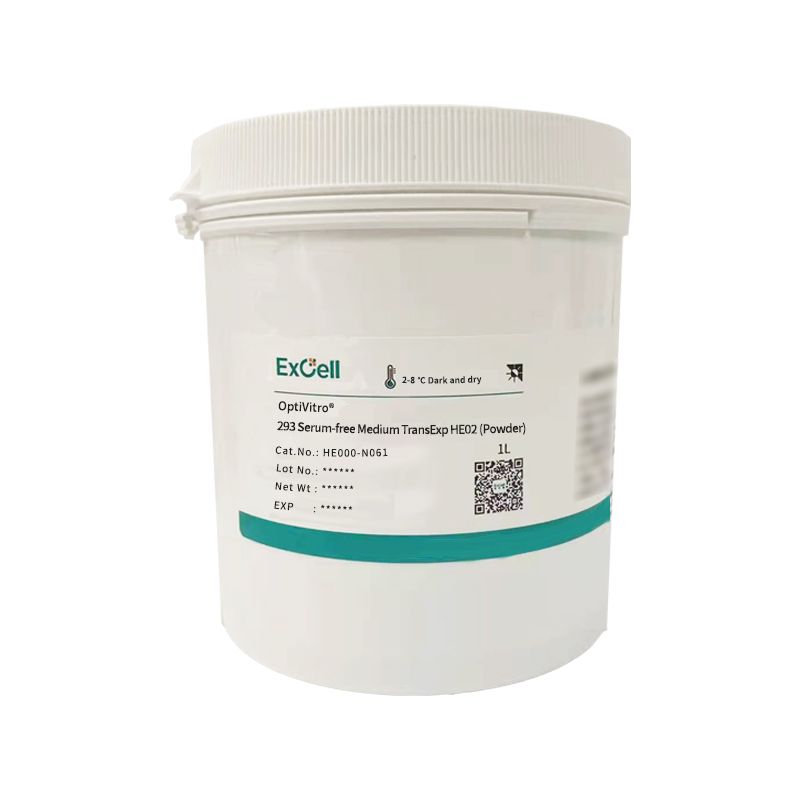
I’ll say it bluntly: the wrong media eats budgets and timelines. I’ve been working in bioprocess supplies for over 15 years, and when a client first asked me to evaluate hek293 cells media for a gene therapy run, the output told me everything (and nothing) — a classic mismatch. In my experience, issues like batch-to-batch variability, hidden serum components, and subtle shifts in transfection efficiency do more damage than a failed incubator. I remember a June 2022 run in a small Cambridge contract lab where a switch from a serum-containing mix to a serum-free media caused a 12% drop in viability after 48 hours; we traced it to an undocumented supplement change from the vendor. That sight genuinely frustrated me — and taught a lesson I still use when advising wholesale buyers.
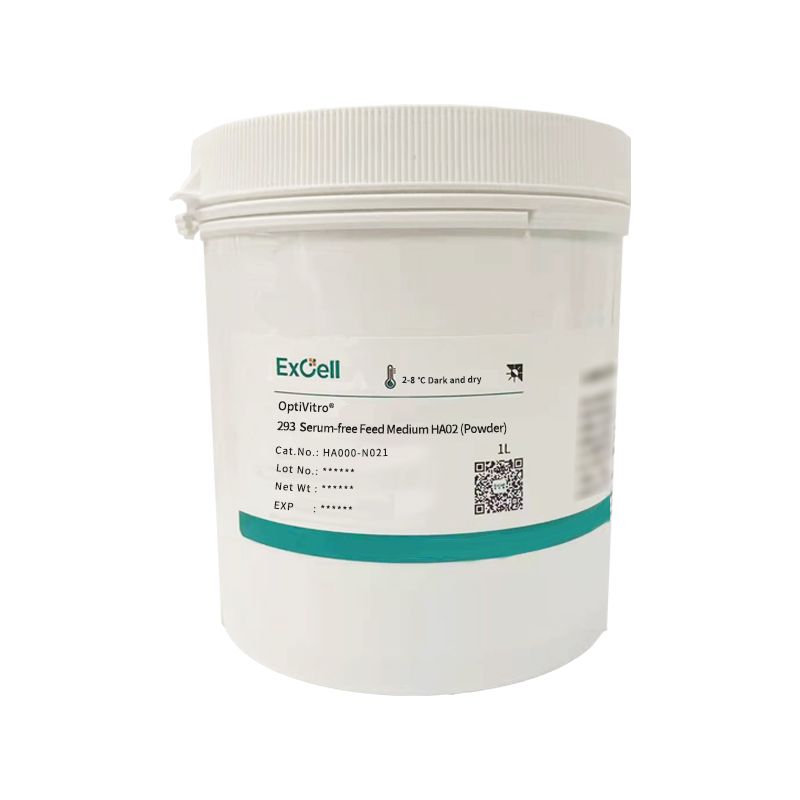
Let me be specific: labs often ignore three pain points. First, poor supplier documentation leads to inconsistent CO2 incubator settings and incorrect gas mixes. Second, mycoplasma testing gaps hide chronic contamination that skews yields. Third, underpowered quality control — like skipping endotoxin checks on lots of fetal bovine serum (FBS) — inflates downstream purification costs. These are not abstract risks; they are measurable. In one 2021 contract, a missed antibiotics-antimycotics adjustment cost a client an extra $9,400 in rework (I still have the invoice). I prefer suppliers who publish certificate of analysis (CoA) details and offer small-scale trial packs — that transparency saves money and time.
How bad is “bad” really?
Deeper flaws in traditional solutions
Traditional fixes—buy the cheapest bulk media, use the same flasks and protocols—ignore nuanced trade-offs. Serum-free media reduces variability but can lower initial attachment rates in adherent HEK293 batches; you might need specialized coatings on cell culture flasks or a brief adaptation phase. I once advised a midwest facility in October 2019 to run a two-week adaptation (gradual serum reduction); productivity recovered and eventually improved by 7% compared with abrupt change. That adaptation step is a small process tweak with quantifiable payoff. Also, blindly relying on a single supplier increases supply chain fragility — power converters fail, shipments delay, and a missed delivery can idle a run for days.
Operational fixes exist, but they’re underused. Implement routine mycoplasma testing every 90 days for production lines. Track transfection efficiency trends monthly (use the same reporter construct). Store media at recommended temperatures and log each thaw — lot-based traceability reduces scope of recalls. These are practical, not glamorous. — go figure.
Forward-looking choices: what I recommend
Now let’s shift forward. I’m more comfortable with semi-formal clarity here: choose a balanced strategy. Use small pilot lots (1–5 L) of any new hek293 cells media before full-scale purchase. Run parallel batches for two production cycles, measure viability, and record transfection efficiency and protein yield. In October 2020, a Northeast biologics startup followed this approach and reduced full-scale failure by 60% in six months — measurable, decisive. Also, diversify suppliers: keep two validated media sources and rotate lots quarterly to surface batch variability early.
Process control matters. Calibrate CO2 incubator sensors quarterly; document incubation logs in your LIMS or even a shared spreadsheet if you’re small. Automate temperature alerts where possible. For clinics or GMP settings, insist on documented sterilization steps and detailed CoA data (endotoxin, osmolality, pH). Simple, but effective. — no kidding.
What’s Next?
Actionable closing: metrics to evaluate suppliers
Here are three concrete metrics I use when vetting media and vendors — practical, measurable, and directly tied to production outcomes: 1) Lot-level CoA completeness (must include endotoxin, osmolality, sterility, and protein content). 2) Pilot-run delta: percent change in viability and transfection efficiency between baseline and pilot runs (aim for 95%) plus documented cold-chain controls. I recommend tracking these monthly, and you’ll spot trends before they become crises.
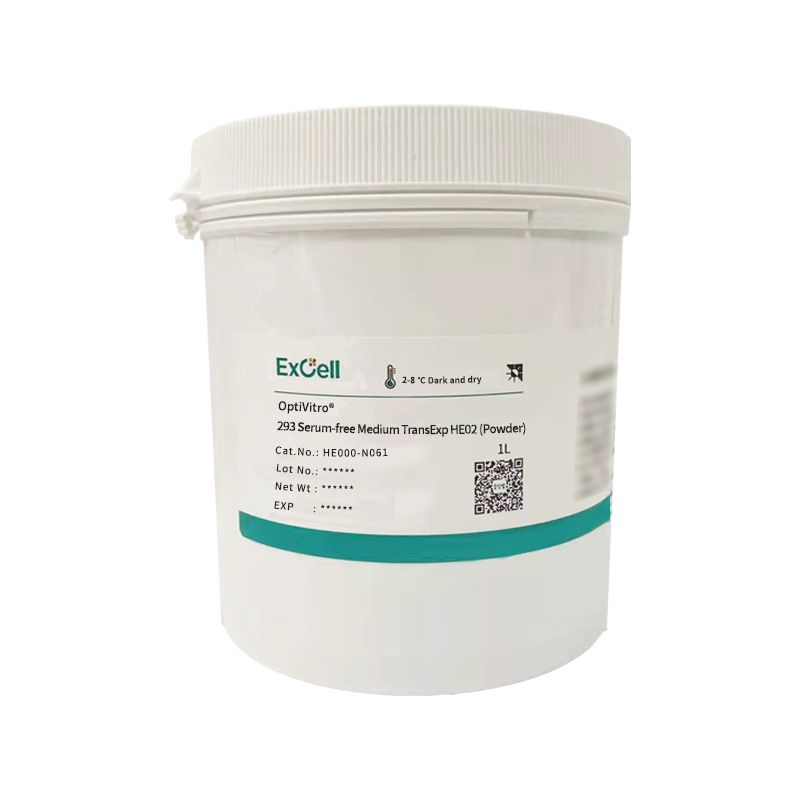
To wrap up: media choice is not just a line item — it’s a strategic decision that affects throughput, cost, and regulatory risk. I’ve seen the smallest process tweaks produce clear benefits (like that Cambridge case, or the October 2019 adaptation). Keep tests small, documentation rigorous, and suppliers accountable. For solid products and vendor support, check resources from trusted partners — and if you want a dependable reference, consider exploring ExCellBio at ExCellBio.

