
Putting the user first — a quick heads-up
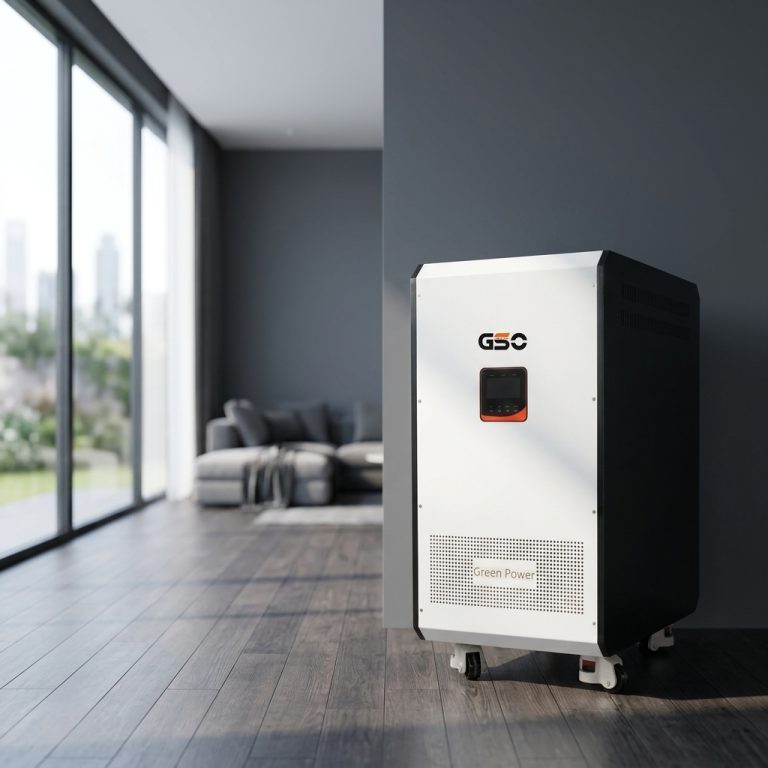
Folks round the manor want power that keeps singing when the mains go quiet. Start with a proper kit like a Portable Solar Power Station and you’ve already done half the legwork. This piece walks you through what a whole-house battery setup does for everyday life, how it behaves under real stress, and why a nimble microgrid is often the solution people actually want. I’ve seen rigs fitted in council terraces and posh flats alike — so this comes from hands-on mucking about with systems, not just theory.
Why users choose whole-house backup
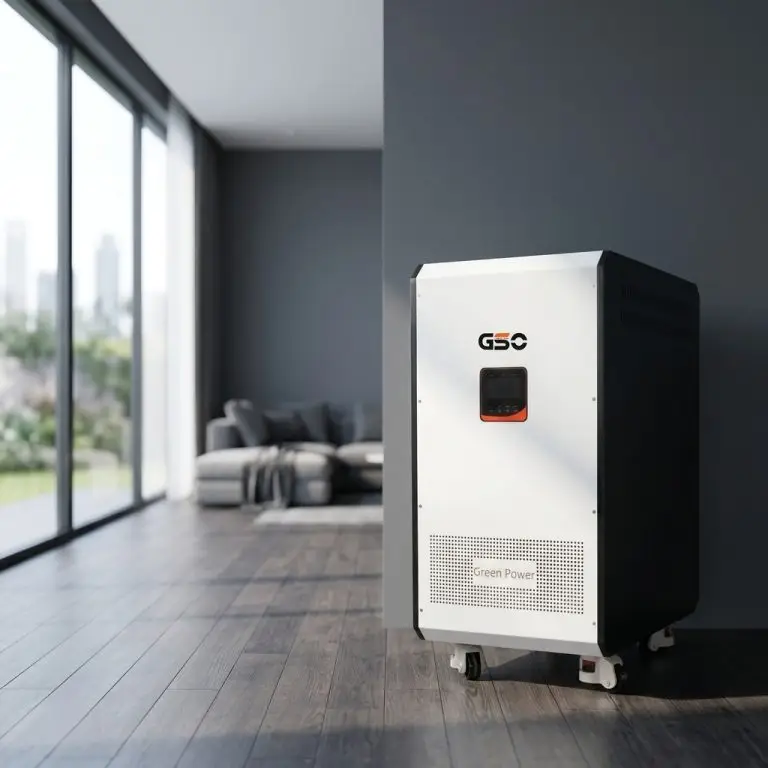
Power cuts hit different when you’ve got kids, medical kit or a home office. Whole-house battery backup keeps the essentials running: fridge, comms, heating. The approach is simple — store energy locally (battery capacity measured in kWh), then feed your home via an inverter when the grid falters. Puerto Rico after Hurricane Maria showed this hard: communities with local generation and storage recovered faster. That’s the real-world anchor; proper resiliency isn’t academic. For many, it’s peace of mind and the ability to plan, not panic.

Core tech made plain
Keep the jargon light. A lithium-ion battery holds the juice. The inverter turns DC to AC output for your sockets. A BMS (battery management system) protects cells and manages charging. Add a solar array or grid-assist charging and you’ve got a hybrid setup that balances cost and uptime. Installers will talk about kilowatt-hours and throughput — they matter — but your focus should be on runtime for key loads and how fast the system recharges after a drawdown.
Common mistakes and practical fixes
People often skimp on matching battery capacity to real needs. They buy a tidy portable unit and expect it to run a whole house for a week. That’s not the way. Another slip is poor integration: inverter type and charge controller need to play nicely with the panel array and household wiring — mismatches waste capacity. Fitters sometimes ignore installation location; batteries get hot and efficiency drops. Fixes are straightforward: size to critical loads, specify a suitable inverter, and place the battery in a ventilated spot — simple stuff that saves grief later. — Take care with surge loads from kettles and heaters; they eat capacity faster than you think.
Alternatives worth a butcher’s glance
Not every house needs a big fixed pack. Options include smaller portable units for targeted backup, or hybrid systems that prioritise essential circuits. Some prefer generator backup for long outages; generators give raw power but add maintenance and fumes. Solar-plus-storage pairs well when you want daily cycling and lower bills; diesel gens are for long, deep outages. Choose based on outage profile: frequent short cuts favour batteries, rare long ones might favour a generator combo.
Three golden metrics to pick the right rig
1) Effective runtime for your critical loads: calculate kWh required and add 20% headroom. 2) Recharge method and speed: confirm recharge via solar plus grid and compare charging watts — quicker recharge means better resilience. 3) Integration quality: check inverter compatibility, BMS sophistication, and AC output waveform for sensitive electronics. Prioritise those three and you’ll avoid most rookie errors.
Summing up and why gsopower fits
Whole-house backup is about matching real needs to sensible hardware. When capacity, inverter choice, and management line up you get reliable runtime and fewer surprises. For many households the right solution looks like a hybrid approach — solar generation topping up a robust battery system that’s been specified with clear runtime goals. That’s where a dependable supplier matters; gsopower brings integrated products that slot into that logic cleanly — portable solar battery options and systems designed to work together, not shout at one another. — Proper planning beats last-minute panic every time.

