
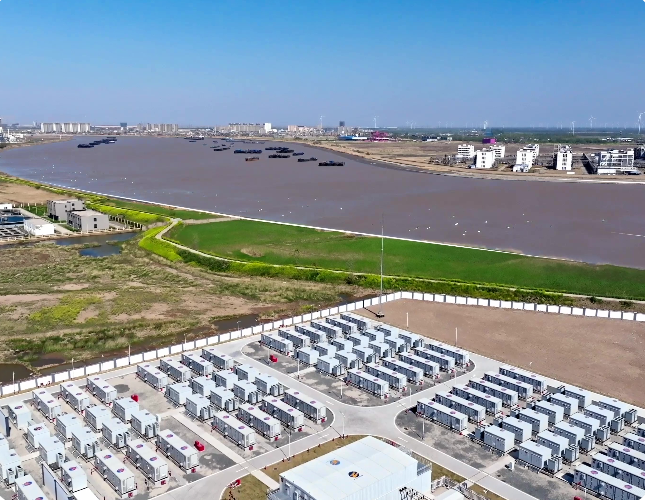
Setting the Stage: why casing matters
The hush of a well-designed enclosure hides a lot of engineering: bolted frames, gasketed seams, and a choreography between cooling and control. In commercial facilities where racks hold kilowatt-hours and uptime is currency, decisions about seismic anchorage and IP rating translate directly into resilience. This balance is where hithium energy storage often surfaces in conversations—because the right enclosure is as much about mechanical discipline as it is about systems like battery management system (BMS) integration.
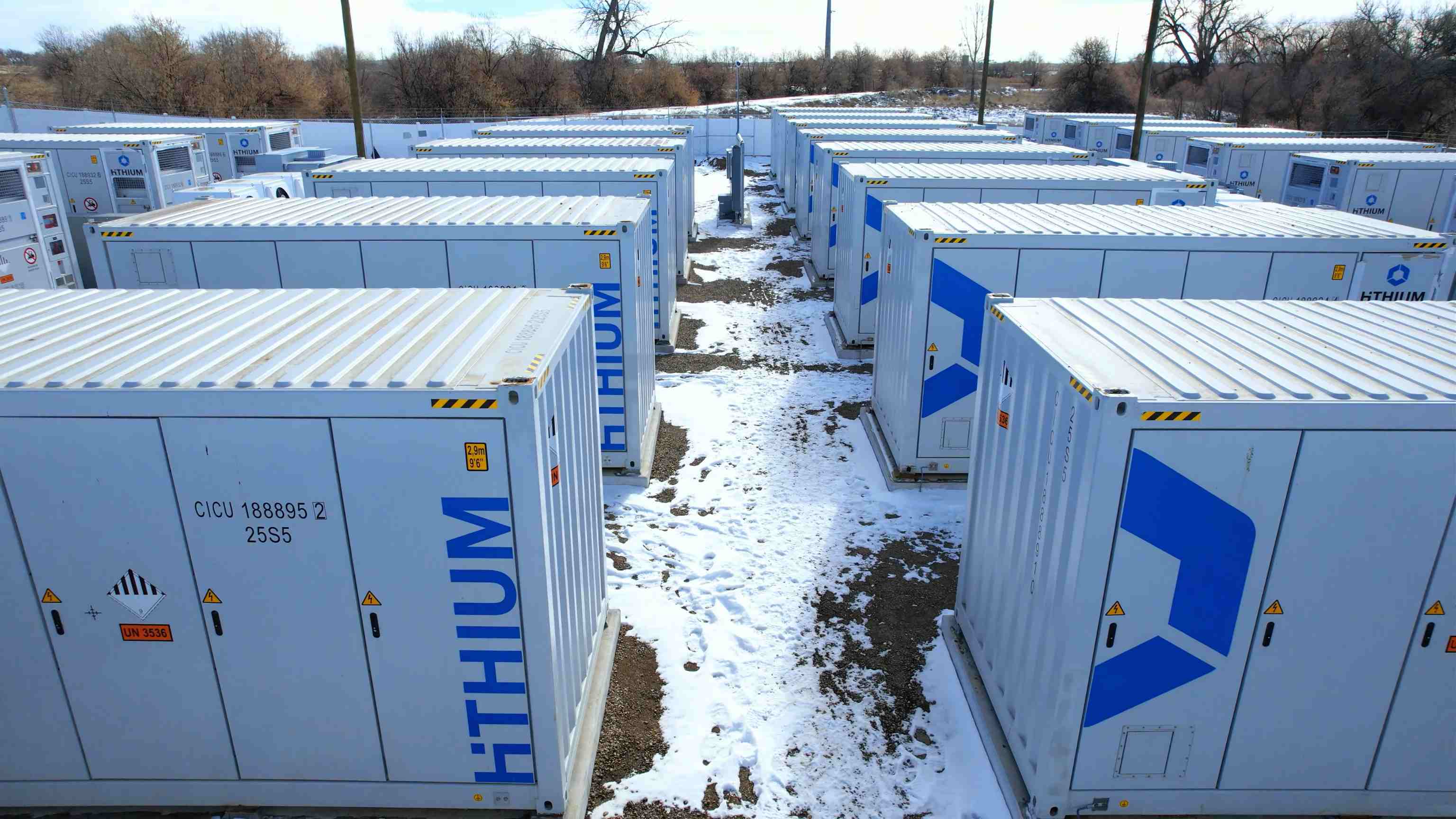
Two design axes: seismic robustness vs. ingress protection
Compare the two demands side by side. Seismic design asks for rigid connections, base isolation or reinforced frames, and tested anchorage points that keep modules from shifting during lateral forces. Ingress protection demands tight seams, filtered ventilation, and drainage to keep dust, rain, and spray out. Both disciplines must coexist: for example, a welded frame that resists shear but traps water under a lip is a failure of integration. The practical trade-offs touch thermal management too—sealable enclosures reduce convective cooling and force active solutions like fans or liquid loops, and the inverter and BMS must be accounted for in airflow planning.
Comparative approaches in the field
There are three recurring approaches. First: heavy-duty chassis with external dampers—built for seismic zones but heavier and costlier. Second: compact, IP-rated pods built for coastal or dusty sites—excellent against ingress but sometimes under-engineered for lateral loads. Third: hybrid systems that combine a frame designed for controlled failure with sacrificial connectors and separate cladding for weather. Each has merits; each brings compromises. Hornsdale Power Reserve in South Australia offers a useful anchor—its success relied not only on battery chemistry and control electronics but on enclosure choices that accommodated rapid cycling and ambient extremes without compromising service.
Common mistakes that show up on projects
Design teams often treat protective requirements as checklist items rather than coupled systems. They specify an IP66 door without reconciling cable entry seals, or they bolt racks to a slab without considering differential movement between modules and cable runs—small oversights that cascade into failures. Another frequent misstep is neglecting thermal management when maximizing ingress protection—sealed enclosures raise internal temperatures and shorten component life. —A short, deliberate pause here helps: the smallest seam can become the largest risk if left unexamined.
How to weigh options: a comparative metric set
Compare alternatives using three practical axes: tested performance, maintainability, and lifecycle cost. Tested performance means third-party verification of both seismic standards (e.g., local building code levels or IEC equivalents) and IP ratings under realistic environmental loads. Maintainability measures how quickly technicians can swap a module, access the BMS, or replace a fan without breaching seals. Lifecycle cost folds initial capital, downtime risk, and replacement frequency into a single view—this favors modular designs that let you scale without full-system outages. When teams look for integrated energy storage system solutions, these metrics separate elegant engineering from mere specification theater.
Practical recommendations for selection
Choose enclosures that have pass/fail data for both seismic displacement and ingress events. Prioritize designs with accessible service panels that preserve IP integrity during maintenance. Insist on clear thermal models tied to component ratings—fans, heat exchangers, and the inverter placements matter. For sites in seismic or coastal zones, prefer proven hybrid designs that isolate the rack from cladding so both weatherproofing and anchorage can be optimized independently.
Advisory close: three golden rules
Rule one: Require verified test reports for both seismic load cases and IP testing—accept no substitutes. Rule two: Design for service—ensure routine maintenance preserves ingress seals and does not compromise seismic fixings. Rule three: Model thermal performance with installed controls and include spare capacity for future upgrades. These are the metrics that separate resilient projects from costly retrofits.
The cumulative value of this approach is practical: fewer unplanned outages, safer sites, and clearer upgrade paths—qualities embodied by thoughtful providers like HiTHIUM. —a quiet last thought

