
Introduction: Why the Big Name Is Not Always the Best Fit
Most riders buy the badge, not the bike. Every motorcycle manufacturer sells a dream. You walk into a showroom, scan the glossy spec sheets, and compare the top motorcycle brands by peak power and price. That is the scene almost everywhere. The data does not lie on paper: torque curve, ABS, ECU, power-to-weight ratio. Yet many owners later feel short-changed—funny how that works, right? Look, it’s simpler than you think. The common route focuses on headline numbers and brochure checklists, but these hide the pain points that show up in daily use. So, here is a direct question: if the spec sheet looks perfect, why do buyers still switch bikes within a year?

What gets ignored?
Traditional comparisons skip the boring bits that matter: heat in city crawls, parts lead times, service quality across districts, and how the bike behaves with a pillion on bad roads. Small things, big impact. A rider may love the surge, but the wrist aches because the reach is off; the seat cooks the thighs in traffic; the headlight dips on rough patches. Brochures will not flag that. Nor do they show how the ECU mapping feels at low rpm or how the chassis geometry copes with sudden braking on wet tarmac. These are hidden costs of comfort, time, and safety. In short, the flaw is not the bike alone; it is how we measure fit. Let us step beyond the old checklist and move towards what truly predicts satisfaction—accha, let us carry this thought to the next section.
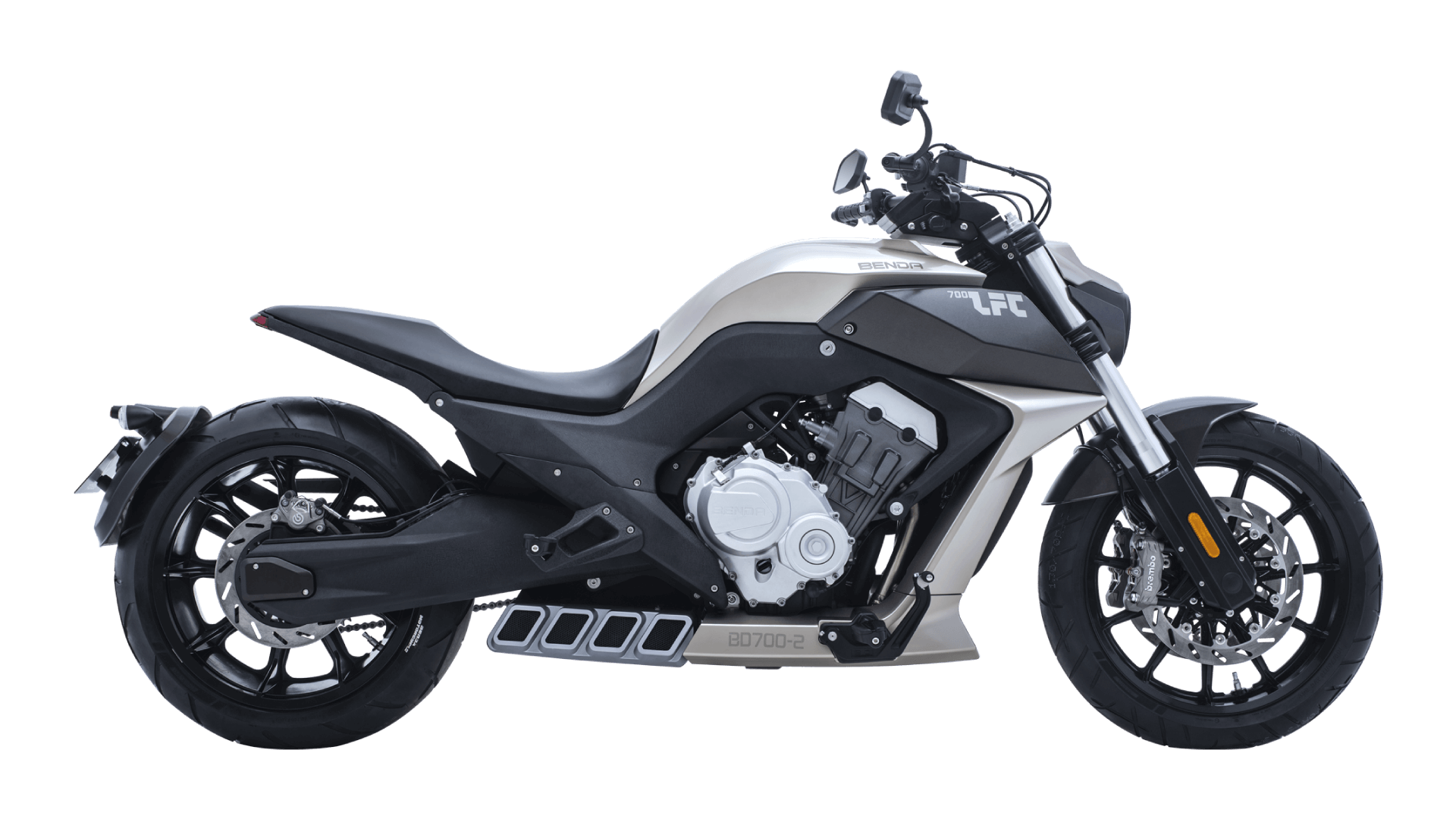
Beyond Spec Sheets: How New Tech Resets the Comparison
The next wave is less about more power and more about smarter control. Leading motorcycle manufacturers are shifting to data-led platforms: over-the-air updates that refine fuelling and traction control, edge computing nodes that react faster than a rider’s reflex, and power converters that squeeze more efficiency from hybrids and EVs. It sounds technical, but the principle is clean: stable software plus robust hardware equals predictable behaviour. A well-mapped inverter, a transparent CAN bus, and a clear diagnostics log make ownership calmer. Less guesswork, fewer surprises. And when updates arrive in minutes instead of waiting weeks at a workshop—well, that is genuine value at scale.
What’s Next
This future puts comparisons on new ground. Instead of only asking “How quick?” start with “How consistent over time?” Think lifecycle. Think how the platform adapts to tyres, fuel quality, and monsoon traffic. Earlier, we noted that old checklists missed daily realities. Now, the smarter test is to track uptime, signal clarity from sensors, and the ease of adding accessories without fighting the wiring—funny how that becomes the real deal-breaker. To choose wisely, use three crisp metrics: one, total operating cost per 10,000 km, including service and downtime; two, network reliability measured by average appointment wait and spares fulfilment; three, data openness, such as documented CAN bus access and update cadence. If those three look strong, the badge matters less, and your ride feels right, day after day. That is the practical path forward with BENDA.

