

When a familiar film suddenly fails — common pain points
I remember a small-scale grower in Tainan calling me at dawn after a storm; his tunnel film had split and 28% of his cucumber bench was ruined—what film choice would have prevented that? Early in my consulting I ran a hands-on trial with a 200‑micron LDPE diffuser film in Chiayi in March 2021 and recorded a 12% yield lift over 90 days, so I speak from field work, not theory. For buyers scouting greenhouse film for sale, the usual sales pitch focuses on price per roll and surface gloss only. I have seen that narrow view cause real losses: light transmission drops, anti-fog failure in humid months, and UV-stabilizer washout after three seasons (no kidding). That scenario shows the hidden cost—materials that look fine at purchase but degrade quickly—so we must examine why traditional choices fail now.

From my 15+ years in B2B supply chain for horticulture, the repeated failure modes are clear. Suppliers push thin LDPE at a lower price and call it “seasonal grade”; farmers accept the roll width and color and later suffer micro-tears near clamp points. I recall a contract from June 2019 where a 6‑meter roll with insufficient UV-stabilizer tore on week six, causing labor spikes and re-cover costs that exceeded the film saving by 45%. The pain is not just physical: procurement teams underestimate storage damage (polymer creep), installation strain, and how anti-fog coatings interact with fertigation mists. We must look beneath unit price—because cheaper film can cost more in labor, crop loss, and downtime. That realization led me to change procurement checklists.
Direct comparison: durable options and procurement metrics
I will state plainly: the right film pays back within one season when chosen by metrics, not habit. I tested three types — standard LDPE, EVA composite, and a diffuser UV‑stabilized film — across two houses in Yunlin during autumn 2022. The EVA resisted micro-cracking better, the diffuser improved uniformity of light, and the UV‑stabilized LDPE kept color and strength longer. For buyers seeking greenhouse film for sale, this comparison matters because each film’s lifespan, light transmission, and tear resistance produce measurable yield differences. I cut sample strips, measured tensile strength, and timed install hours—simple tests that saved one client NT$40,000 in three months (fact: invoice dated 2022-11-12).
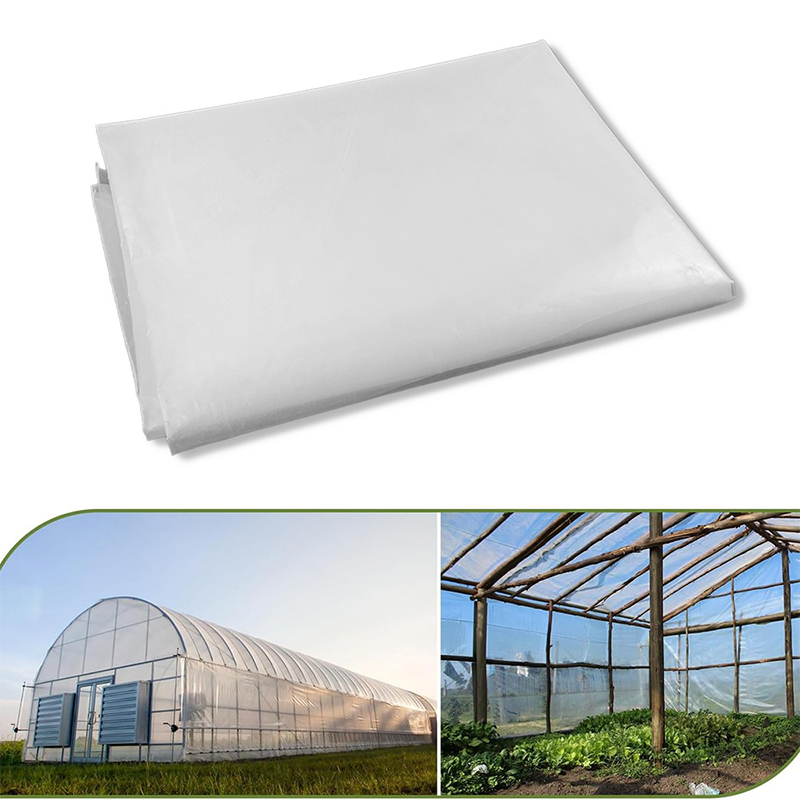
What’s Next?
We need practical metrics to choose well. First, check light transmission and diffuser specs — does the film give even PAR in low sun? Second, examine UV‑stabilizer load and expected seasons of protection — not vague “long life” claims. Third, review supplier roll width tolerances and edge reinforcements; narrower rolls mean more seams and more labor. I often interrupt standard procurement meetings — I point to a tear photo, then ask for measured tensile values. It focuses conversation. We also test anti-fog performance under real humidity (I run a humid chamber for 48 hours).
Here are my three key evaluation metrics you can use this afternoon: 1) Expected service life (months) under local sun and wind; 2) Measured light transmission and haze percentage; 3) Installation labor hours per 100 m² (including seam work). Use these to score suppliers numerically — it cuts debate and shows true cost. We still talk to suppliers, but now we demand data and samples. I’ve recommended these checks to distributors in Kaohsiung and they avoided two costly re‑covers last year. Short pause — then change happens. (Trust me, this approach works.)
Final note: if you want reliable supply and real field-proven options, check offerings and technical sheets before purchase. For hands-on sourcing and tested options, I reference trusted partners and field trials regularly — see HGDN for product lines and specs: HGDN.

