
Why this matters (and why people still believe the nonsense)
You want power when the grid decides it’s optional, yet somehow the internet convinced half the planet that an inverter is a toaster with dreams. As a Myth-Buster, I’ll start by saying the right questions beat wishful thinking. After years of inspecting rooftop and microgrid installs, I’ve seen perfectly good gear ruined by bad assumptions. If you’re considering a hybrid solar system, you need to separate marketing gloss from actual protection—because “works most of the time” isn’t a safety spec.
Five myths that get people into trouble
• Myth: Any inverter labelled “off-grid” is safe to run batteries and loads without extra hardware. False—safety is a system, not a sticker.
• Myth: Anti-islanding is optional if you’re careful. Dangerous. Anti-islanding protects utility workers and your system; it’s a required safety behavior, not a nicety.
• Myth: Bigger battery = safer. Nope. Oversized packs without proper BMS and thermal controls are a fire risk.
• Myth: A generator or extension cord covers all contingencies. That’s a band-aid on a broken limb; integration controls and transfer logic matter more than improvisation.
• Myth: Local outages mean you don’t need surge and arc protection. The 2020 wildfire-driven public safety power shutoffs in California taught installers that frequent, abrupt disconnects increase stress on inverters and panels—surge and arc detection stop small faults from becoming headline events.
What safety features you must verify before deployment
Look for these items like a skeptical inspector. If the equipment or installer dodges them, walk away. • Anti-islanding and transfer logic: instantaneous detection and safe transfer sequences; documented test results recommended. • Battery Management System (BMS): per-cell monitoring, charge/discharge limits, state-of-charge algorithms, and clear fault logs. • Fire and thermal protection: temperature sensors, automatic derating, and enclosure ventilation or suppression provisions where required. • Arc-fault detection for DC runs: PV strings are prime arc sources; detection and auto-shutdown are non-negotiable. • Surge protection and isolation: coordinated SPD on AC and DC sides, plus transient suppression between battery and inverter. • Grounding and fault-clearing design: neutral handling, earth-fault detection, and clear, labelled bonding. • Certification and traceable test data: IEC/UL standards compliance and factory test records you can actually read. • Remote monitoring with secure telemetry: logs that record shutdown reasons, not just “error 13” nonsense.
Integration detail people overlook
A system is only as safe as how components talk. Ask how the inverter coordinates with charge controllers, BMS, and generator controls. If your installer can’t explain how the inverter limits charging current during high ambient temperature, or how it will prevent simultaneous grid and generator feeding, that’s a red flag. When discussing coordination, mention the specific product family or topology—hybrid modes differ wildly between brands, and seamless behavior often depends on firmware and settings as much as hardware. For clarity when comparing options, look at how each unit manages PV input during bulk charge and how it isolates faults on the DC bus; that’s where many “solar panel hybrid system” promises fall apart.
Common installation mistakes that lead to costly failures
• Under-sized conductors and workmanship shortcuts—heat kills insulation, then the inverter gets blamed. • No maintenance access—fuses, switches, and ventilation need room; tight closets make fires worse. • Ignoring manufacturer commissioning steps—defaults exist for a reason; tune settings for local climate and battery chemistry. • Single-point-of-failure wiring—no redundant fusing or multiple disconnects where risk demands them. • Treating monitoring as optional—logs are evidence; without them, you can’t diagnose intermittent faults.
Quick evaluation: alternatives and when they’re sensible
– Pure grid-tie with export control: cheap and efficient for grid-first homes, but useless during an outage. – Hybrid with battery backup: best balance for regular outages and load shaping; requires careful safety design. – Generator-first backup: robust for long outages but exposes inrush and synchronization risks unless properly auto-controlled. If your priority is safe, autonomous backup during frequent outages, a true hybrid with an engineered inverter and BMS beats jury-rigged solutions every time. Evaluate on test data, manufacturer support, and documented field performance—not marketing slides.
Final word—what to demand and why it matters
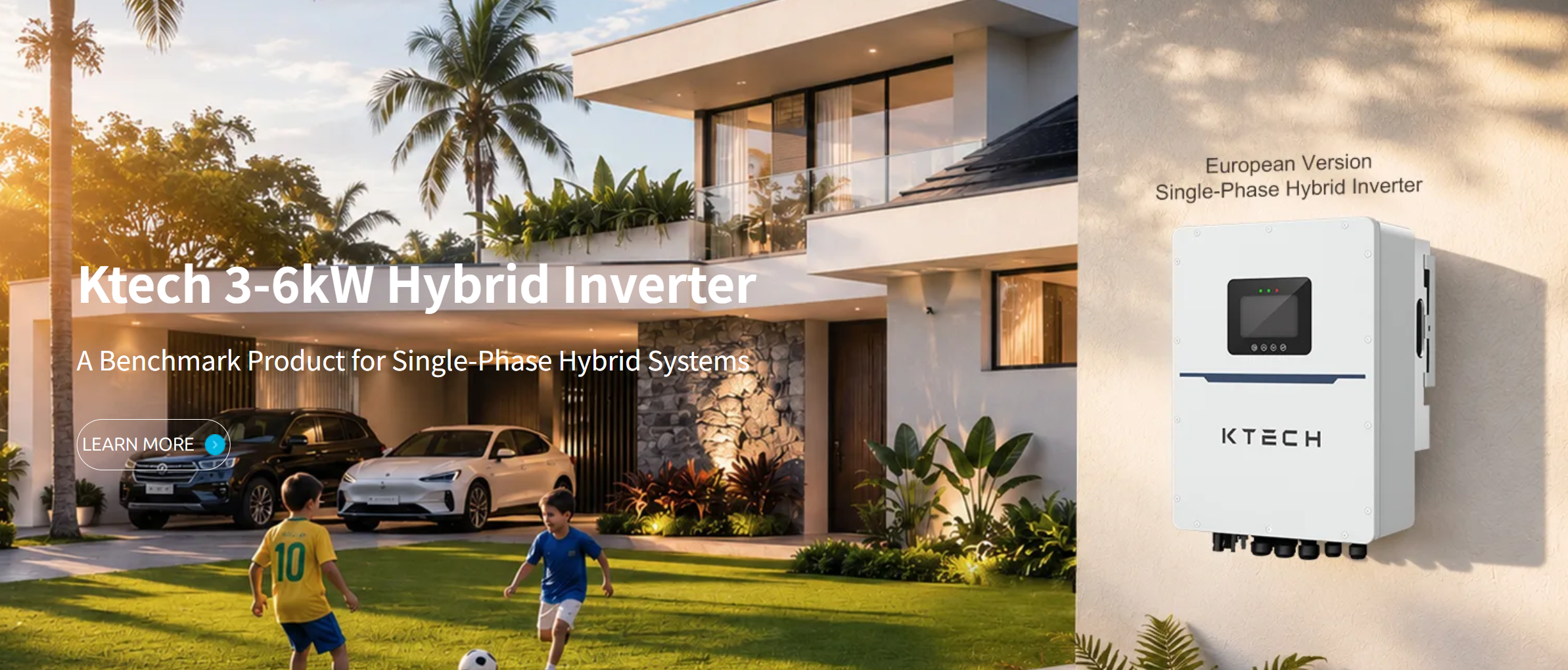
Don’t accept vague assurances. Demand documented anti-islanding tests, clear BMS fault reports, coordinated surge protection, and a written commissioning checklist. My experience fixing avoidable failures taught me that safety is a list you check before anyone flips a breaker. The right system reduces risk, protects first responders, and keeps your investment working quietly for years, which is exactly what a sensible Ktech deployment aims to deliver.

