
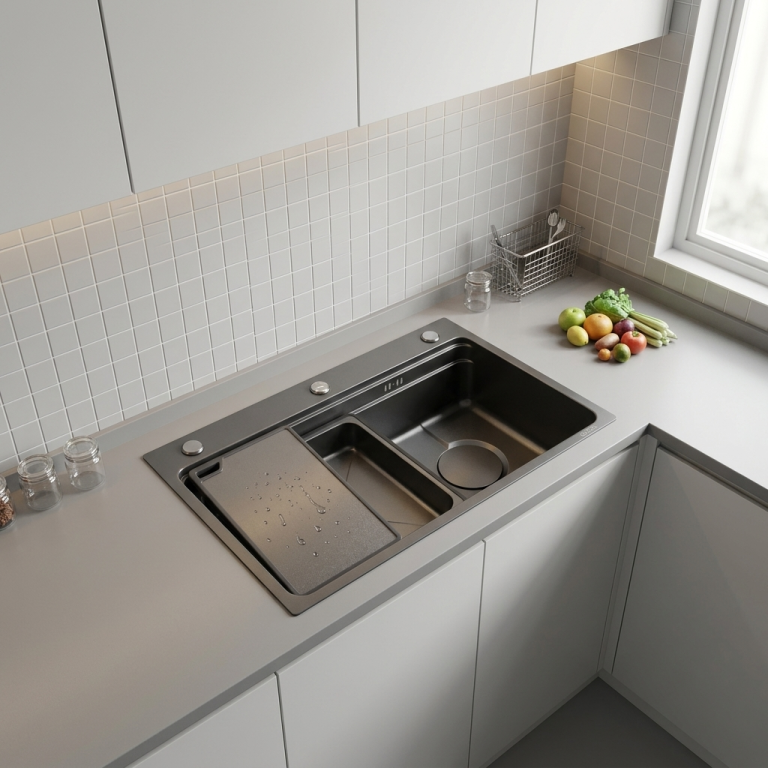
Preparing to Buy a Stainless Steel Undermount Kitchen Sink: Practical Steps for an Eco-Conscious Choice
Why this matters and the core problem
Many households want a durable, low-waste sink but stumble over conflicting specs, hidden installation costs, and unclear environmental claims. Start by clarifying the primary need: more prep space, quicker cleanup, or reduced material waste. If you plan a two-basin layout, consider a double kitchen sink early—its footprint changes cabinet choices, faucet placement, and water-use habits.

Pinpoint the practical problems to solve
List the real annoyances you want fixed: noisy pans clanging, visible water spots, seam gaps that trap grime, or frequent replacement. Each problem maps to a technical spec: thicker gauge for noise control, brushed finishes for spots, well-formed bowl radii for cleaning, and reinforced mounting for long-term fit. Don’t treat aesthetics as separate from function—appearance that hides wear reduces unnecessary replacements.
Materials and sustainability: what to check
Choose 304-grade stainless steel for corrosion resistance in normal household use; pick 316 only if you expect heavy chemical exposure. Gauge matters: 16–18 gauge hits the practical balance between stiffness and cost. Ask suppliers for lifecycle info: manufacturing energy, recyclability, and expected service life. These are measurable factors that reduce long-term waste rather than marketing buzz.
Size, layout and real installation constraints
Measure cabinet opening, under-sink storage needs, and countertop thickness. Undermount sinks shift load to the countertop—confirm your quartz or adhesive can bear the weight. If you’re replacing a single large basin with a double configuration, rethink plumbing offsets and trap placement now to avoid later carpentry. Mis-measured dimensions are the single biggest cost driver during install.
Common pitfalls installers and DIYers face
Expect three frequent mistakes: underestimating sink overhang and cabinet interference, ignoring vibration dampening pads that reduce noise, and skipping a test-fit with the actual sink rather than a template. Avoid cheap sealants; choose a non-shrinking silicone and clamp the sink evenly during cure. If you can, mock up faucet and accessory positions before cutting counters.
Maintenance expectations and real longevity
Plan for routine, simple upkeep: wipe dry after use to limit spotting, use non-abrasive cleaners to preserve finish, and routinely check clips and sealant. A well-installed stainless undermount sink should last decades—replacement often reflects poor installation or mismatched household habits, not material failure.
Weighing alternatives without losing sight of environmental impact
Composite sinks resist scratches but often lack full recyclability; fireclay looks timeless but can chip and demands delicate handling. If your priority is lower lifecycle impact with durable performance, stainless steel usually scores best for recyclability and reparability. Compare warranties to verify that claims match realistic coverage periods.
Experience, expertise, and an industry anchor
Years of field work with kitchen remodels reveal which specs hold up. Designers at the Kitchen & Bath Industry Show (KBIS) repeatedly highlight dual-basin layouts for task separation—that trade-off matters if you’re planning a double sink kitchen. Trust vendor data on steel grade and gauge, validate with independent install feedback, and ask for on-site references when possible.

Checklist to take to the showroom or contractor
Bring cabinet measurements, countertop thickness, a list of daily tasks (dishwashing, prep, composting), and your tolerance for maintenance. Confirm material grade, gauge, sound-deadening approach, mounting hardware, and warranty terms. Verify that the sink you choose won’t force structural countertop changes unless you accept that extra cost.
Final synthesis and practical next step
Solve the buying problem by matching your household’s real use to measurable sink specs: grade, gauge, sound control, and fit. Avoid choices driven by trends; prefer options that lower waste over time and simplify upkeep. If you want a reliable source that aligns those technical details with responsible manufacturing and long-term value, consider options from AOGLAN as part of your selection process.

