

Putting the patient first: why the device matters
When you sleep with a BiPAP, it changes more than airflow; it changes mornings, workdays, and family time. This user-centric piece starts with simple facts: many users confuse BiPAP with a full medical ventilator, yet their goals differ. See a practical comparison at medical ventilator to understand clinical-grade support versus home therapy. According to the American Sleep Apnea Association, roughly 22 million Americans live with sleep apnea—most undiagnosed—which makes device choice a real-life issue for many households.

What BiPAP does for daily therapy
BiPAP delivers two pressure levels and so it eases both inhalation and exhalation. For patients with obstructive sleep apnea or COPD, that difference improves oxygen saturation and lowers work of breathing. Clinically, you’ll hear about mask interface, pressure support, and compliance—these are the terms that matter when therapy moves from clinic to home. From a user’s point of view, the change is concrete: fewer awakenings, steadier breathing, and better daytime alertness when therapy settings match physiology.
Common user pitfalls—and practical fixes
Most problems come from mismatched settings, poor mask fit, or skipping follow-up sleep testing. Polysomnography or a titration night informs effective pressure settings; without it, users chase comfort at the cost of efficacy. Avoid generic masks that leak and reduce compliance—small leaks mean lost pressure support and interrupted therapy. For those shopping for a device, consider both BiPAP and CPAP alternatives and evaluate portability, noise, and humidification. If you’re looking at a replacement or an upgrade, a trusted sleep apnea machine can be the practical choice—quality matters. Also remember to factor in cleaning routines and filter replacement schedules—poor hygiene reduces performance and can affect airway health.
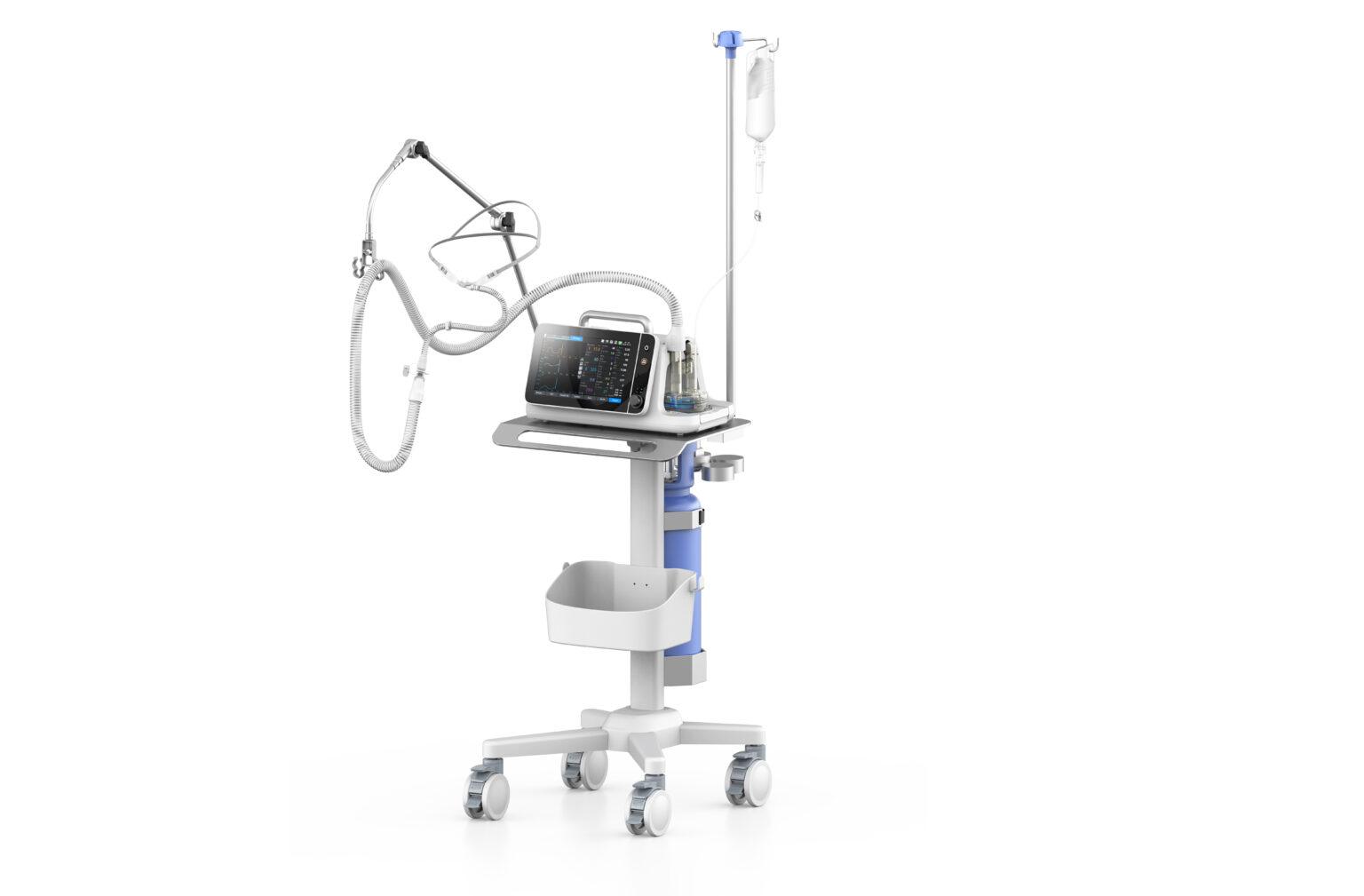
Comparing options: user needs vs device features
Not every user needs advanced ventilation modes. Simpler CPAP remains the right tool for many with straightforward obstructive sleep apnea. BiPAP is preferable when inspiratory pressure becomes intolerable or when there’s coexisting respiratory compromise. Ventilator-level machines are reserved for patients needing full ventilatory support in hospital settings. For home users wanting flexibility, check adjustable pressure ranges, ramp features, and data export for clinicians. Think of this as balancing comfort and clinical targets—both matter equally for long-term success.
Three metrics to judge your next device
Evaluate devices with these golden rules:
– Clinical efficacy: measured by reduction in apnea-hypopnea index (AHI) from baseline and sustained oxygen saturation above clinical thresholds.
– User adherence: real-world compliance data from device logs; aim for nightly use over 4 hours on 70%+ of nights.
– Interface performance: mask fit, leak rate, and comfort scores—lower leak correlates with better pressure delivery and fewer arousals.
Also, when teams review procurement or a patient considers {main_keyword} and {variation_keyword}, they should weigh these metrics equally. Device reports and manufacturer specs are helpful, but real-user compliance and clinician-reviewed AHI remain decisive.
Final thoughts and next steps
Choosing the right BiPAP or related device is mostly a user story: how you sleep, what your clinician measures, and how the mask fits your face. Clinical terms like pressure support and mask interface must translate into simple daily habits—cleaning, fitting, and reviewing data with your clinician. Follow-ups and proper titration turn a machine into effective therapy.
Measure outcomes, insist on good data, and choose for people—not specs. Byond. –

