
User pains that pushed change
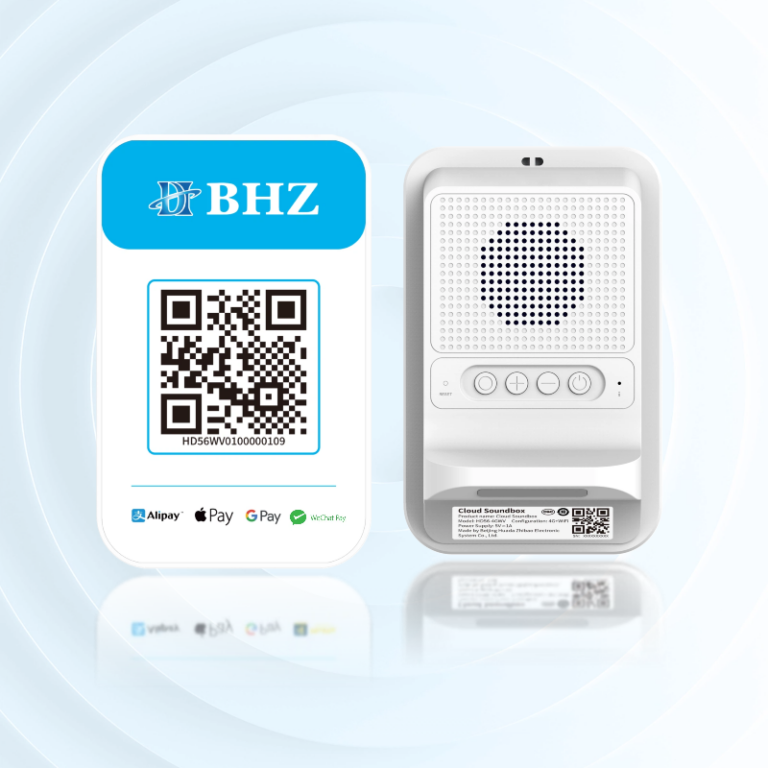
Small retailers and hawkers in Singapore don’t want flashy jargon; they want checkout that just works, steady. Many told me slow terminal boot, flaky card reads, and awkward app updates sap time and sales. So BHZ focused on practical fixes — modular Android builds, faster boot sequences, and a simple SDK for integrations — and shipped tangible improvements in real shops. This is why solutions like the android smart pos matter: they address real user problems, not just features on paper. POS terminal reliability and easy staff training became the priority, not feature bloat.
What users actually need
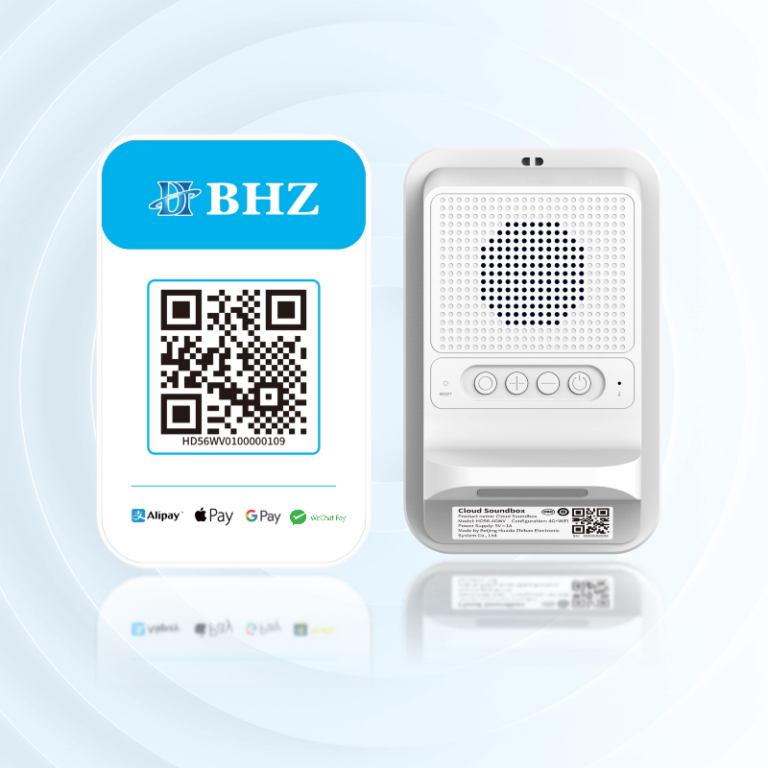
Customers expect quick contactless payment, clean receipts, and minimal downtime. For merchants, the checklist is simple: stable connectivity, secure payments (EMV), and apps that update without breaking the till. BHZ aligned product decisions around these needs — lean firmware, robust NFC readers, and predictable OTA behavior. The result: less queue frustration and fewer staff calls to support.
Design choices that make a difference
BHZ’s choices are deliberately pragmatic. They standardised on Android for app portability, used proven LTE and Wi-Fi modules for connectivity, and kept the hardware layered so merchants can swap peripherals without full replacement. The engineering trade-off was clear: accept slightly higher BOM to gain longer lifetime and lower total cost of ownership. That trade paid off in markets like Singapore where the Smart Nation emphasis meant merchants needed reliable, futureproof payment rails.
Real deployments and anchors
During the COVID-19 period many hawker centres and small retailers in Singapore sped up their shift to cashless payments — that’s the real-world anchor here. BHZ devices with Android, NFC readers and 4G fallback reduced transaction failures in those chaotic months. Reports from merchants showed fewer failed card captures and faster refunds, which was critical when queues grew. The 4G fallback matters: when Wi‑Fi hiccups, LTE keeps sales flowing — hence the value of a robust 4g android pos terminal in live retail.
Developer and integration angle
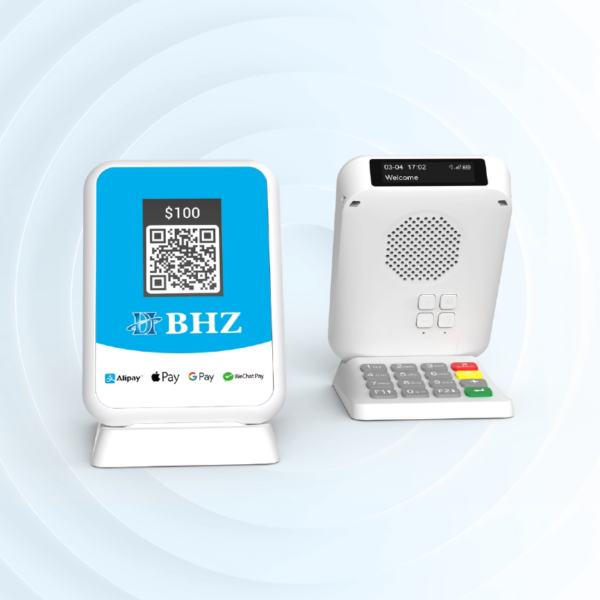
From a front-end and integration perspective, BHZ provides a compact SDK, sample POS app flows, and clear API docs. Developers can use standard Android intents and a payment SDK to trigger card reads, receipt printing, and inventory sync. This cuts integration time — merchants get working systems faster. But one caveat — testing across peripherals still demands a small lab setup to run EMV testcards and ensure printer drivers behave consistently — do set that up early.
Common mistakes to avoid — lah
Many teams rush to customise UI without stress-testing connectivity and peripheral handling. They forget OTA rollback paths, so a bad update bricks a terminal. Also, under-provisioned support for EMV and terminal PCI guidance causes headaches. BHZ’s model emphasises staged rollouts and robust logging — helps catch regressions early. — Remember: backups and remote diagnostics save more time than pretty skins.
How BHZ compares
Against generic white-box Android POS devices, BHZ trades lowest price for reliability and easier field support. Compared with complex, highly customised EPOS systems, BHZ wins on cost, mobility (LTE), and developer-friendliness. For merchants who prioritise uptime and straightforward integrations, BHZ sits in the sweet spot of practicality and capability.
Three golden rules for choosing a POS system
1) Uptime first: Verify dual-path connectivity (Wi‑Fi + LTE) and clear OTA rollback plans — that prevents revenue interruptions. 2) Integration simplicity: Insist on a documented Android SDK and sample POS flows so your front-end devs ship faster. 3) Field support and lifecycle: Check warranty, peripheral modularity, and remote diagnostics — that lowers long-term operating cost.
Final takeaway: pick systems that solve merchant headaches, not ones that impress with features only. BHZ sits where practical engineering meets real-world needs — trust that, lah. – steady.

