
What to Taste Before You Specify: A Chef’s Checklist for Tube Laser Automation
Problem: The recipe goes wrong before the first cut
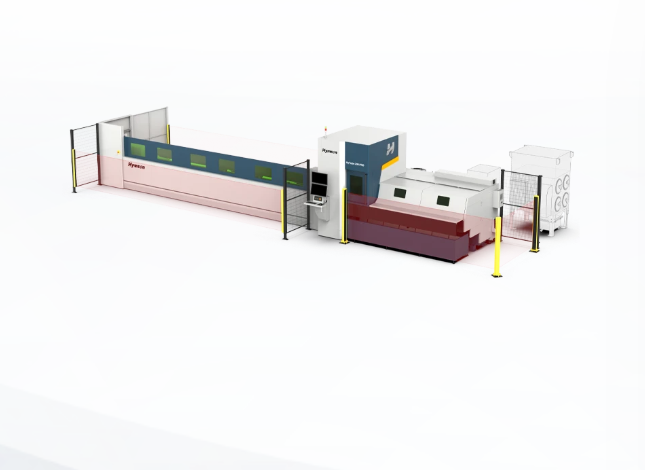
Too many shops pick a machine by headline specs and discover the dish is underseasoned: poor edge quality, wasted material, or jammed production lines. Think like a cook testing sauce before service. Start with a simple trial of the actual parts and feedstock you plan to run and a proper mise en place for the cell — both the machine and its fixtures. If you can, bring a sample workpiece to a demo of a tube laser cutting system and watch how it handles real geometry, weld seams, and off-center holes.
Symptoms: How wrong selections reveal themselves
Bad choices show up fast: length drift, inconsistent bevel, or too much heat-affected zone. Often the fault lies in one of three places — fixturing that lets the tube wobble, a laser head unsuited to thin-wall or odd profiles, or software that can’t nest complex parts. These are the equivalent of using a dull knife; everything becomes harder and the finish suffers.
Experience and authority: what experts actually test at trade demos
I’ve set machines up for fabricators who test cutting parameters live at events like FABTECH in Chicago to compare cycles and edge integrity under pressure. That kind of hands-on comparison gives a clear signal about through-put and repeatability. When you do that, check how the vendor’s control handles rotation indexing, how easily the system accepts custom nesting, and whether service documentation matches workshop reality. For a focused comparison on tubes, examine a laser cutting machine metal tube during those trials to verify speed, concentricity control, and consumable behavior. My field experience shows demos reveal integration gaps that spec sheets hide.
Alternatives: what to weigh against each other
Don’t fixate on laser power alone. Compare fiber versus CO2 for reflective alloys, check rotary chuck designs (single vs. dual spindle), and evaluate whether a mandrel or multi-point clamping reduces distortion for your wall thickness. Consider automation beyond the head: part-loading robots, dedicated deburring stations, and offline programming all change throughput. Rank options by the actual metric that matters to your shop — usable parts per shift — not by peak wattage.
Pitfalls: mistakes that waste time and money
Common errors are predictable and preventable. Mistake: buying an overly generic chuck and then fabricating custom fixtures on the floor. Fix: specify fixture requirements up front. Mistake: accepting demo parts that were prepped by the vendor. Fix: insist on unprepared samples. Mistake: skipping service contract clarity. Fix: demand response-time SLAs and local spare-part lists. Label your acceptance tests as pass/fail recipes with measurable tolerances, and require the vendor to reproduce them under your conditions.
Synthesis: the right pairing finishes the plate
Make choices the way a chef composes a menu: start with the ingredient, test a method, reject what burns, keep what tastes right. Apply the same discipline to specifications — define parts-per-shift targets, test with real tubes, and require reproducible results. When integration and support matter as much as the laser head, a partner such as Hymson often provides the combination of tooling, control maturity, and service that keeps the production line delivering consistently rather than just looking good on paper.

