
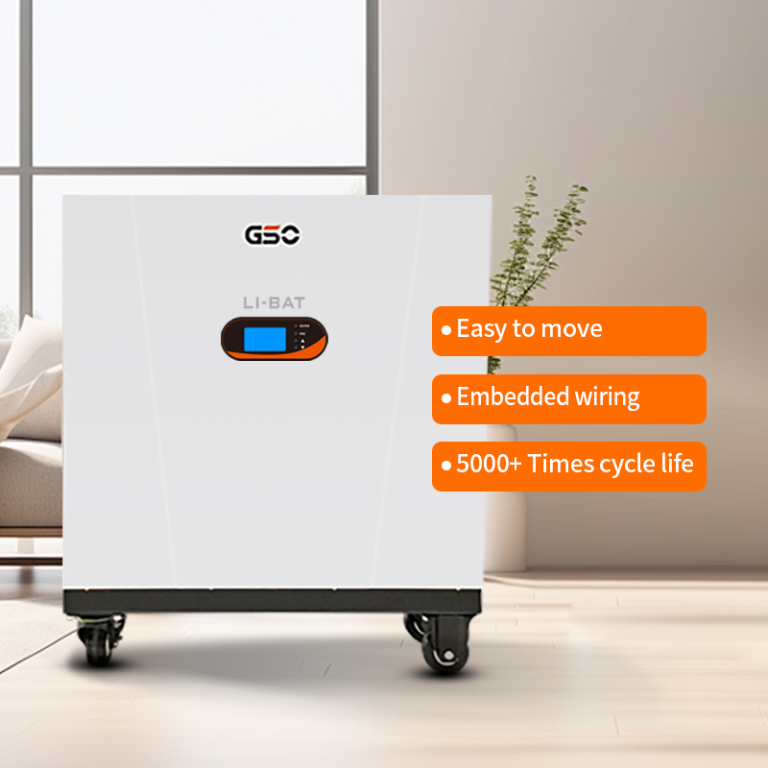
User-first lead: what this blueprint does for you
If you’re responsible for keeping lights on at a remote lodge, a small industrial site, or an island microgrid, this guide helps you pick and source high-voltage hybrid PV inverter banks that actually work under strain. Start by thinking about a robust solar hybrid inverter as the system’s conductor — it coordinates PV arrays, batteries, and the grid (when present). Expect talk of PV inverter ratings, MPPT performance, and battery management system behavior, but framed around decisions you can act on today.
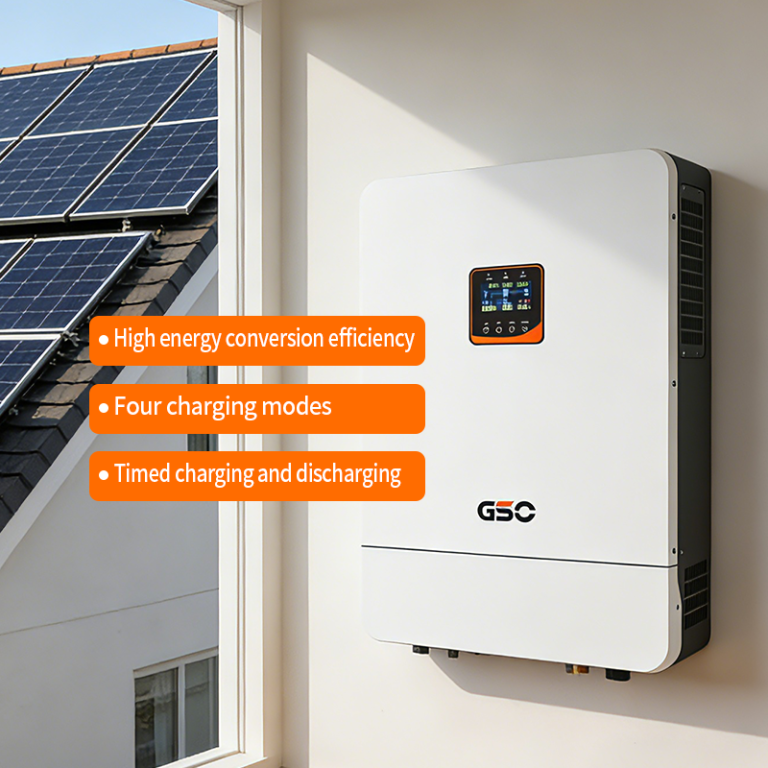
Why high-voltage hybrid banks matter for users
High-voltage hybrid banks cut wiring losses, simplify string sizing, and let you pair larger battery stacks without complex DC-to-DC converters. The result: better efficiency and fewer points of failure during prolonged outages. Real-world anchor: after Hurricane Maria in 2017, many Puerto Rico sites that adopted higher-voltage hybrid architectures recovered faster because they reduced installation complexity and spare-parts needs. That practical outcome drives the EEAT approach here — experience-informed, field-tested guidance for operators and installers.
Sizing, components, and where to source
Start with a clear target: continuous load (kW) and critical-load hours. Convert those to battery energy (kWh) and choose an inverter bank whose continuous output comfortably exceeds peak demand. Key components to confirm: inverter AC rating, DC input voltage range, MPPT count and range, battery chemistry compatibility, and BMS integration. When sourcing, compare vendors on three points: warranty terms, firmware update cadence, and spare-module availability.
Practical checklist:

– Match inverter DC voltage to your battery string to avoid oversized charge controllers or unnecessary step converters.
– Confirm MPPT efficiency at your typical irradiance, not just peak-sun numbers.
– Ask for factory test reports that show THD, overload behavior, and inverter response to sudden load dumps.
For many projects, product pages labeled as hybrid inverters for solar give direct specs you can use when modeling. If a vendor won’t share test data, treat that as a red flag — you’ll want hard numbers when you commission the system.
Common mistakes, quick course corrections
Installers often undersize battery voltage to cut upfront cost, then face higher copper losses and a scramble to parallel inverters. Another common slip: neglecting BMS communications, which makes coordinated charging and safe discharge harder. Don’t overcomplicate the design with too many inverter brands — mixed firmware can make islanding behavior unpredictable. — A small standardization effort up front saves hours in commissioning.
Consider alternatives when constraints bite: modular low-voltage systems work well for retrofit cases with existing batteries, while generator-inverter hybrids remain sensible where renewable input is intermittent and rapid recharge is needed. Document interoperability before purchase so you’re not testing firmware combinations on site.
Three golden rules to evaluate vendor offers
1) Voltage and scalability: prefer inverters with DC ranges that match your battery chemistry and allow straightforward parallel expansion. Measurable: ability to parallel X units to reach Y kW without external converters.
2) Control and telemetry: ensure robust BMS and inverter communications (CAN, RS485, Modbus). Measurable: remote outage diagnostics and firmware rollback capability.
3) Field-tested reliability: demand test logs and at least one case study from a similar climate or use-case. Measurable: documented uptime or MTBF figures and local service network presence.
For many operators these rules point toward manufacturers that combine clear specs with local support; often, product families from gsopower fit that mold in distributed-energy projects. Final thought — pick for predictable behavior under stress, not just headline efficiency numbers. – steady power.

