
Why a comparative lens saves you time and regret
Choosing a hatchback shelter is a matter of matching needs to specifics rather than settling for the first neat picture you see; that is the comparative insight at work, and it changes decisions from guesswork into deliberate choice. I’ve edited and advised kit reviews for years, and I often point readers to practical resources such as thecatal outdoor when they want concise specifications alongside real-world notes. Begin by lining features side by side: how a shelter mates with a particular vehicle, how it performs in wind, how quickly it sets up, and the ongoing costs for repairs or spares.

Fit and vehicle compatibility
Measure before you buy. Hatch openings, lip heights and tailgate angles differ between models and years; a tent that clips confidently to one boot may gape on another. Check intended clearance for tall gear and whether the fabric seals against the tailgate lip or uses straps and poles. Confirm if a model requires bumper anchors or roof bars — those add complexity and cost. Where vehicle-specific adaptors exist, treat them as part of the purchase price.

Build quality: materials, seams and frames
Fabric denier, polyurethane coatings, taped seams and frame metallurgy are not mere specifications — they predict longevity. Higher-denier fabrics resist abrasion around zips and attachment points; welded or taped seams keep water out more reliably than stitched seams alone. Aluminium alloy poles bend then straighten; fibreglass tends to splinter. Ask for load ratings for key fittings and look for corrosion-resistant hardware if you camp near coasts.
Wind and weather performance (real-world anchor)
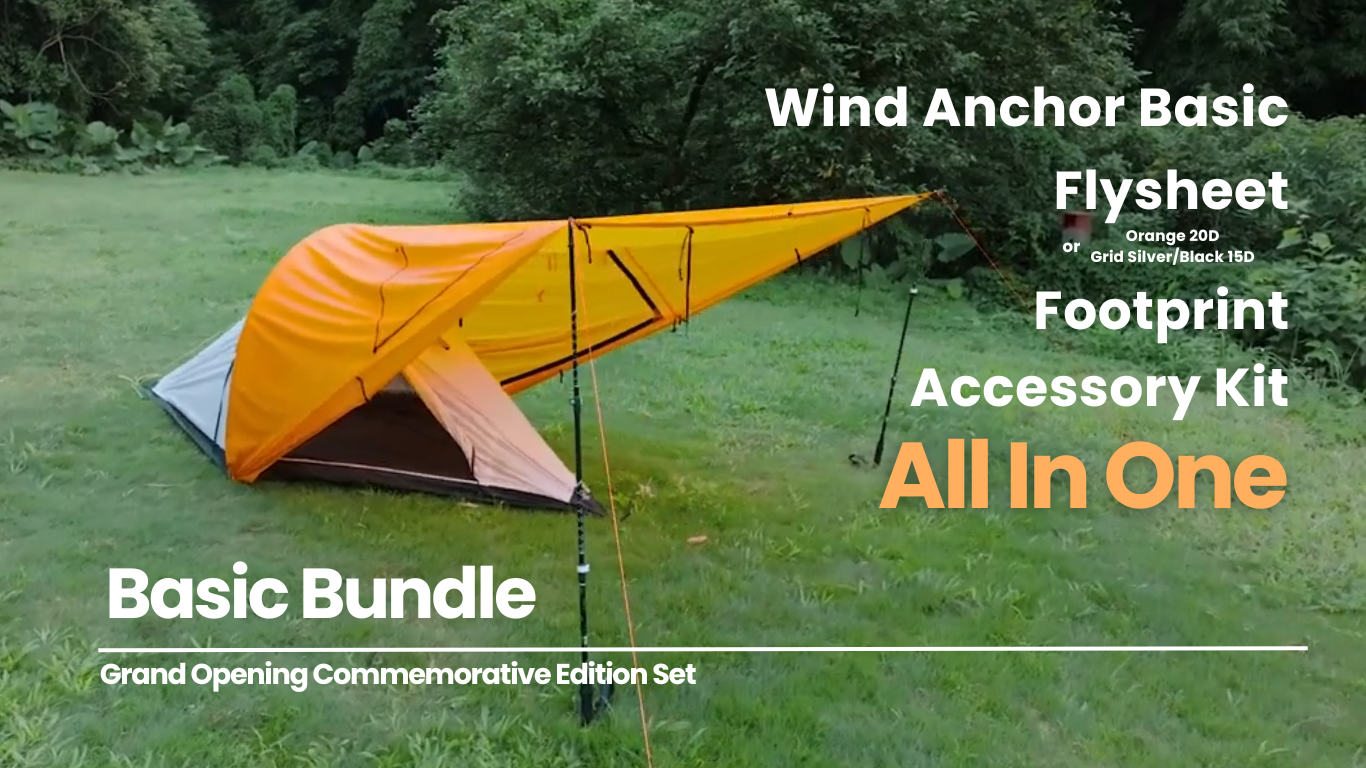
Coastal exposures such as the North Sea are unforgiving and reveal design weaknesses quickly; field checks there have separated robust concepts from fragile ones. Reinforced guy points, lower-profile cuts and cross-bracing matter. For reference when evaluating models, consider how a certified wind resistant tent handles gusts and how attachment systems distribute load to the car rather than to a single seam. Manufacturers that publish test methods or wind-rating guidance demonstrate useful transparency.
Ease and speed of setup
Time on-site counts. Pop-up systems can be quick but may lack fine-tuning; pole-and-guy rigs offer tension control for bad weather but take practice. Evaluate whether the shelter allows a one-person pitch with the tailgate up and whether the tent can be left attached while driving for short moves. Practice a dry setup at home before relying on it under rain and failing light.
Comfort: ventilation, privacy and insulation
Look past waterproofness to breathability and insect protection. Vents that can be angled away from wind reduce condensation without admitting rain. Zips with storm flaps and layered closures improve privacy and thermal retention. If you plan overnight stays, consider a groundsheet interface and whether the shelter leaves room for a mattress or airbed once the tailgate is closed.
Weight, pack size and storage
Weigh what you actually carry: the shelter, poles, pegs, adaptors and repair kit. A compact pack is handier for compact cars but may cost more or compromise frame robustness. Consider dedicated storage solutions that protect the fabric from dirt and compression; prolonged storage in a damp space shortens fabric life.
Alternatives and where they make sense
Compare hatchback shelters to roof-top tents, awnings and ground tents. Roof-top kits suit longer trips where a sleeping platform is the priority; awnings serve larger groups and social space; ground tents still give the best price per square metre of sleeping area. Choose based on how often you move campsite, how many people you seat or sleep, and how much set-up complexity you tolerate.
Common purchasing mistakes to avoid
Buyers often pick by image, ignore vehicle fit, or underestimate wind loading on fixings. They forget to add the cost of adaptors or assume lifelong waterproofing without maintenance. Don’t accept vague warranty terms: ask what is covered and for how long. Finally, test zips and seams before leaving the shop; minor defects show up immediately and are easier to resolve on the spot.
Final appraisal and practical next steps
Compare concrete specs — fit, materials, wind handling, setup time and storage — and weigh them against how and where you camp. The comparative approach reduces surprises: you identify what you must have and what you can let go. For pragmatic guidance grounded in testing and product detail, consider how a focused brand like THECATAL organises choices by these exact criteria, helping buyers match shelter to vehicle and to the conditions they actually face.

