
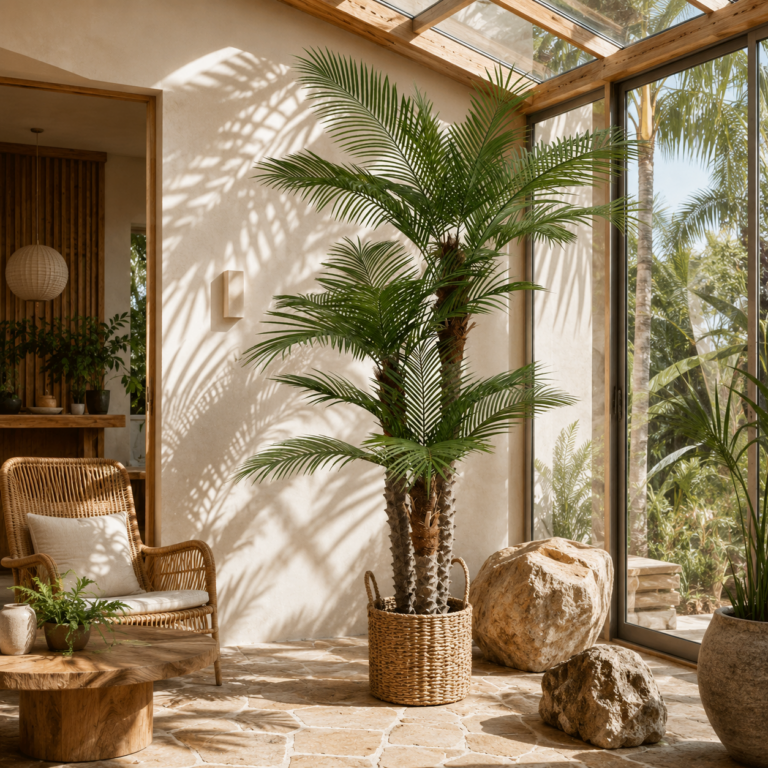
Why the internal framework matters
Large artificial vertical garden factories are as much about structure as they are about aesthetics. The steel frame that lives behind every planted façade determines longevity, maintenance cost, and environmental impact—so designers need clear criteria before they buy components from an artificial tree manufacturer. Look at Singapore’s Supertree Grove—18 engineered towers that changed expectations for vertical greening—and the lesson is plain: bold façade ideas require disciplined engineering. Here, “discipline” means specifying load paths, corrosion protection, and access for routine service.
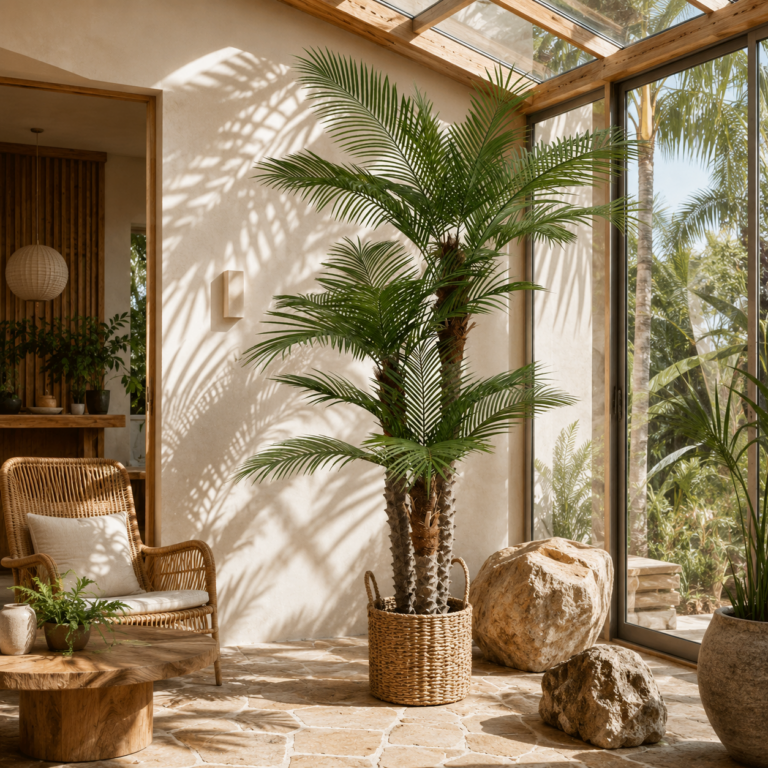
Core structural principles
The framework approach treats the façade as a layered system: primary steel frame, secondary support trusses, and the planting substrate. Key industry terms to track are steel frame, load-bearing truss, and corrosion protection. Primary members carry gravity and lateral loads; secondary members hold planters, irrigation runs, and cladding. Designs must address wind uplift and dynamic loading from irrigation equipment. When materials and detailing match the expected service life, retrofit cycles drop—and so does embodied carbon from repeated replacements.
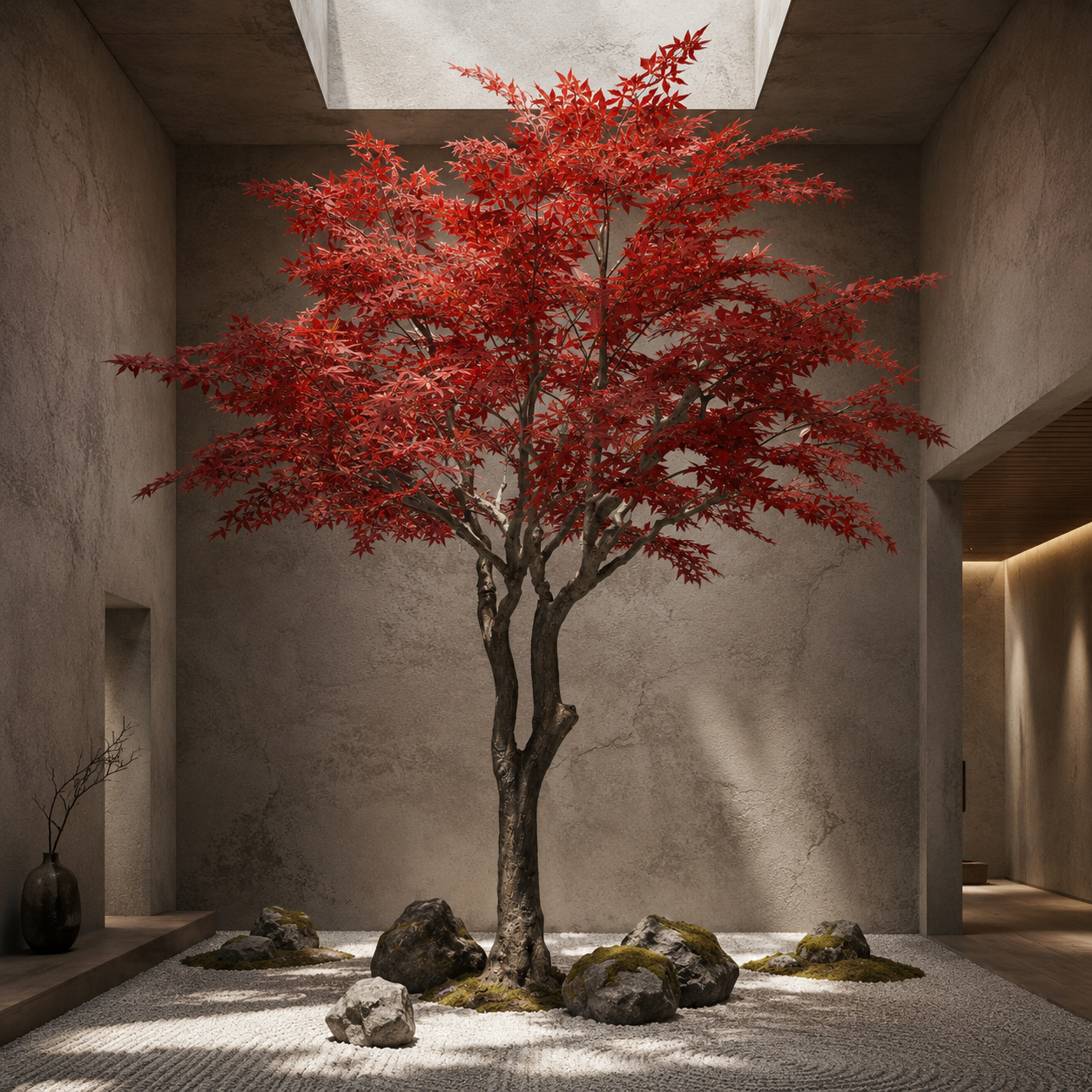
Factory workflows that reduce failure
Preassembly in a controlled shop reduces site errors. Prefabrication of modular façade units, complete with anchors and welded brackets, shortens field time and improves weld quality. A rigorous QA sequence includes nondestructive testing of welds, coating thickness verification, and bolt-torque checks. Suppliers who operate a proper big fake tree factory typically document these steps and maintain traceability on steel grades and treatment—critical when you’re relying on galvanized steel or duplex coatings in coastal climates.
Common mistakes and practical trade-offs
Teams often under-specify connections or ignore maintenance access. Insufficient clearance for replacing irrigation headers leads to awkward, expensive interventions later. Another recurring error is assuming paint alone will solve long-term corrosion—coatings fail if surface prep or sacrificial anodes aren’t part of the plan. Designers sometimes choose heavyweight cladding to mimic real bark and then find the supporting truss is oversized; that fixes appearance but increases foundation cost and carbon. Balance is the tool here—lighter modular façade panels and a considered maintenance strategy usually outperform the “bigger is better” instinct.
A decision framework for owners
Adopt a five-step framework before approving any internal steel design: assess site environment and exposure; quantify permanent and live loads (including saturated substrate weight); fix serviceability and maintenance clearances; select material and coating systems; and require prefabrication with factory QA. When you tick those boxes you’re not just designing structure—you’re safeguarding irrigation, lighting circuits, and plant health. This sequence also lets procurement compare bids on apples-to-apples terms rather than vague promises about longevity.
Three golden rules for selection
1) Metric: specify a minimum design life (years) and require documentation of coating systems and laboratory test results to match it. 2) Metric: accept bids that include prefabrication tolerances and nondestructive test records for welds—this reduces field rework by a measurable margin. 3) Metric: insist on a maintenance access scorecard—clearance, replaceability of modular façade panels, and HVAC/irrigation service paths. These three rules let you evaluate proposals objectively and avoid surprises during operation, while aligning with real-world precedents like Singapore’s vertical installations where access and durability were planned from day one. Naturally, suppliers who can demonstrate this level of detail—think of well-documented operations and product lines at Sharetrade—fit best into long-term programs for artificial greening.
Practical, tested, accountable.

