
Introduction: The Flat Room Problem, Revisited
Define the fault line first. Many rooms look “done,” yet they feel flat—no depth, no rhythm. A bespoke lighting company often enters at this exact moment. In Part 1, we outlined surface wins; now we go deeper into why spaces still misbehave under generic fixtures and quick swaps. In audits across mixed-use homes, 6 in 10 complaints trace back to mismatched beam angles, poor dimming drivers, and scattershot lumen output. With bespoke interior lighting, the question is not “more light” but “more control.” Data in hand, we ask: why do people still fight glare, odd color cast, and shadow pools (in brand-new rooms, no less)? Look, it’s simpler than you think.
Traditional kits assume uniform needs. But homes are layered—materials, sightlines, behaviors. CRI shifts can wash out wood; narrow optics make art look harsh; cheap drivers flicker at low scenes—annoying at dinner, unforgivable at midnight. The hidden pain points are systemic: no zoning by task, no thermal management plan, no coherent control protocol. Result? A space that feels busy when you want calm, dull when you need focus—funny how that works, right? So, we pivot from “fixtures as objects” to “fixtures as systems.” Next, we map where standard solutions crumble—and how custom specs fix what you actually feel.
Comparative Insight: Why Standard Fixes Fail, and Custom Systems Don’t
Where’s the gap, really?
Off-the-shelf fixtures promise plug-and-play. Convenient. But compare two living rooms with the same square footage. Room A uses catalog pendants, fixed drivers, and a one-size dimmer. Room B uses a layered plan: a warm perimeter cove, tight-beam projectors for art, tuned task light at the island, and a pendant cluster built for the ceiling plane. Same wattage on paper; different human result. Because photometrics matter. Because beam spread and glare control change how your eye travels through a space. Because drivers with proper low-end dimming avoid the “steppy” fade that breaks mood. And because finish reflectance (matte vs. gloss) can double perceived brightness without adding a single lumen.
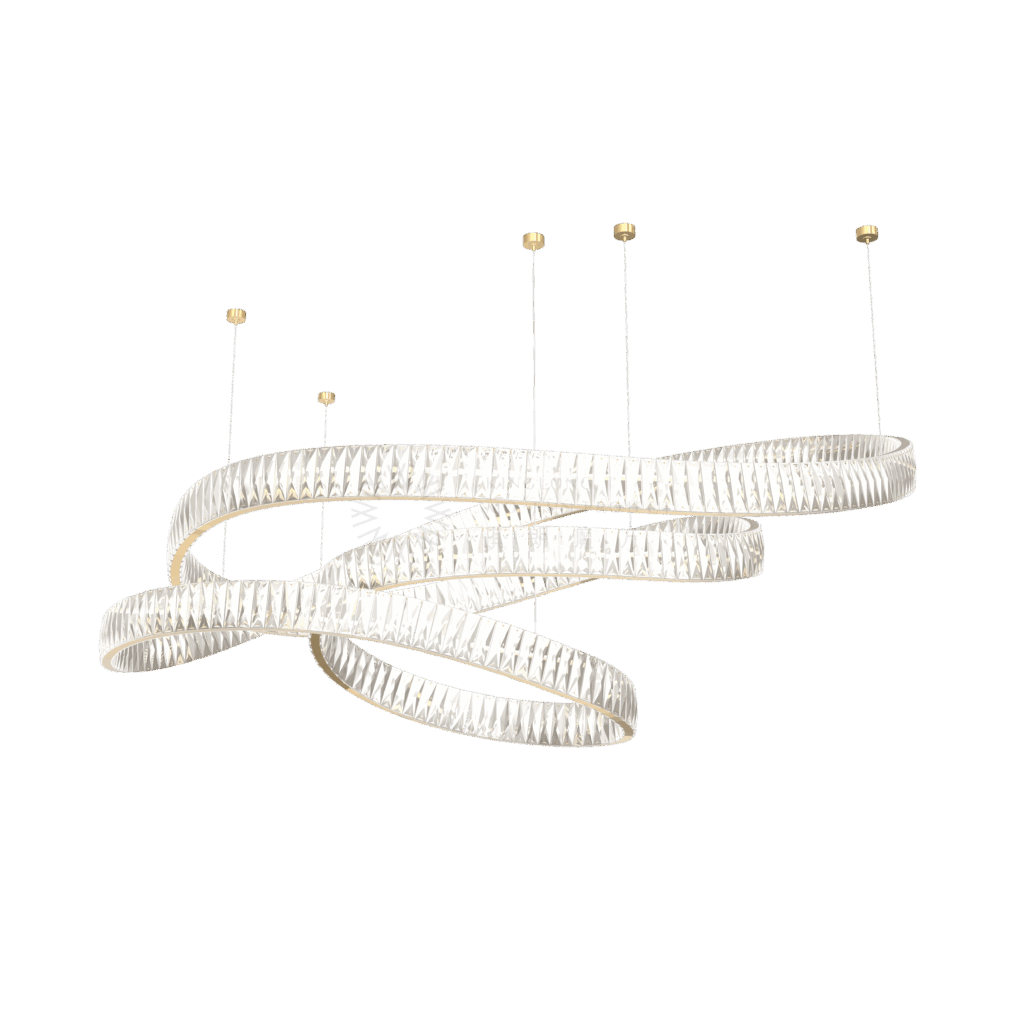
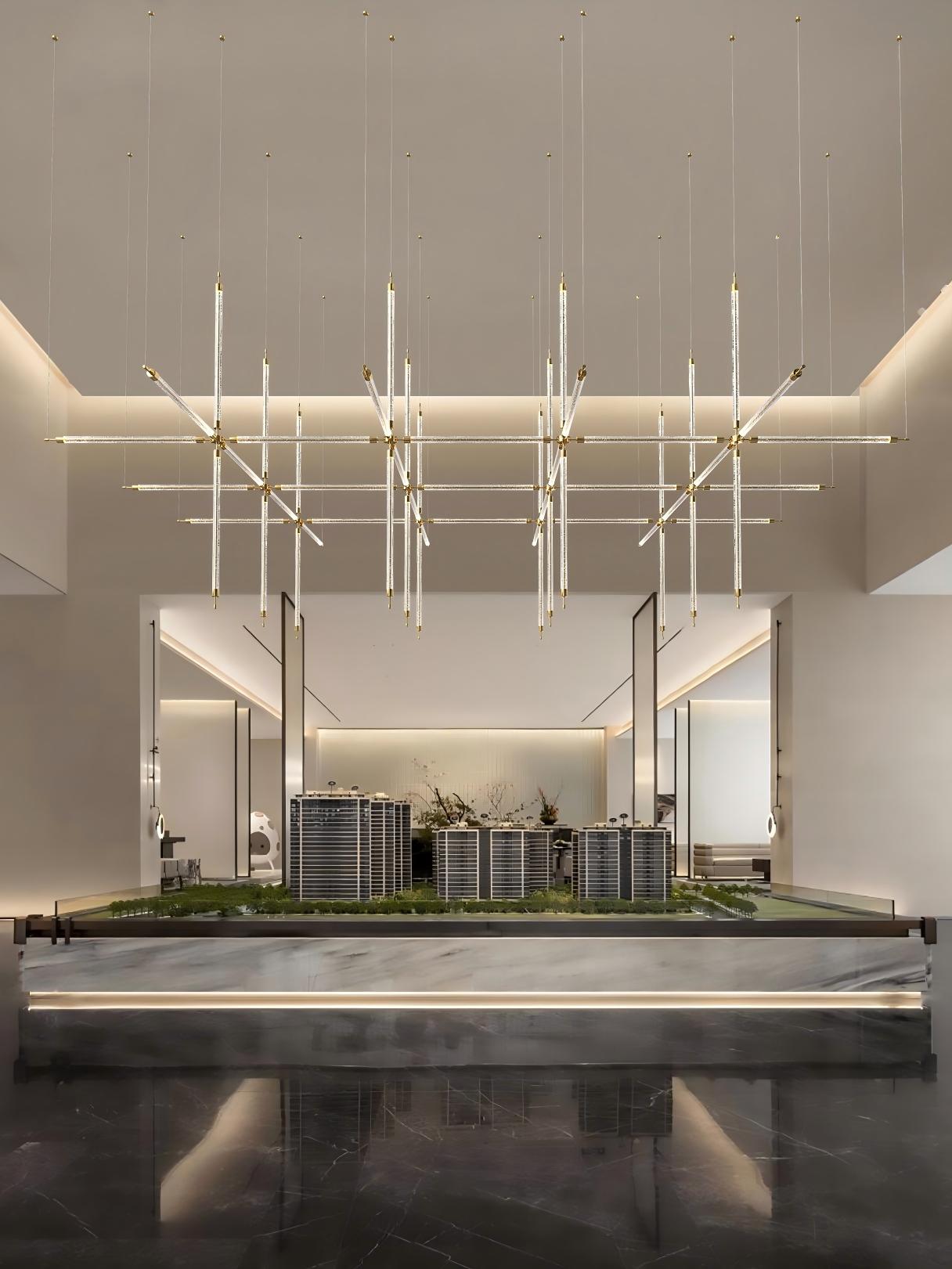
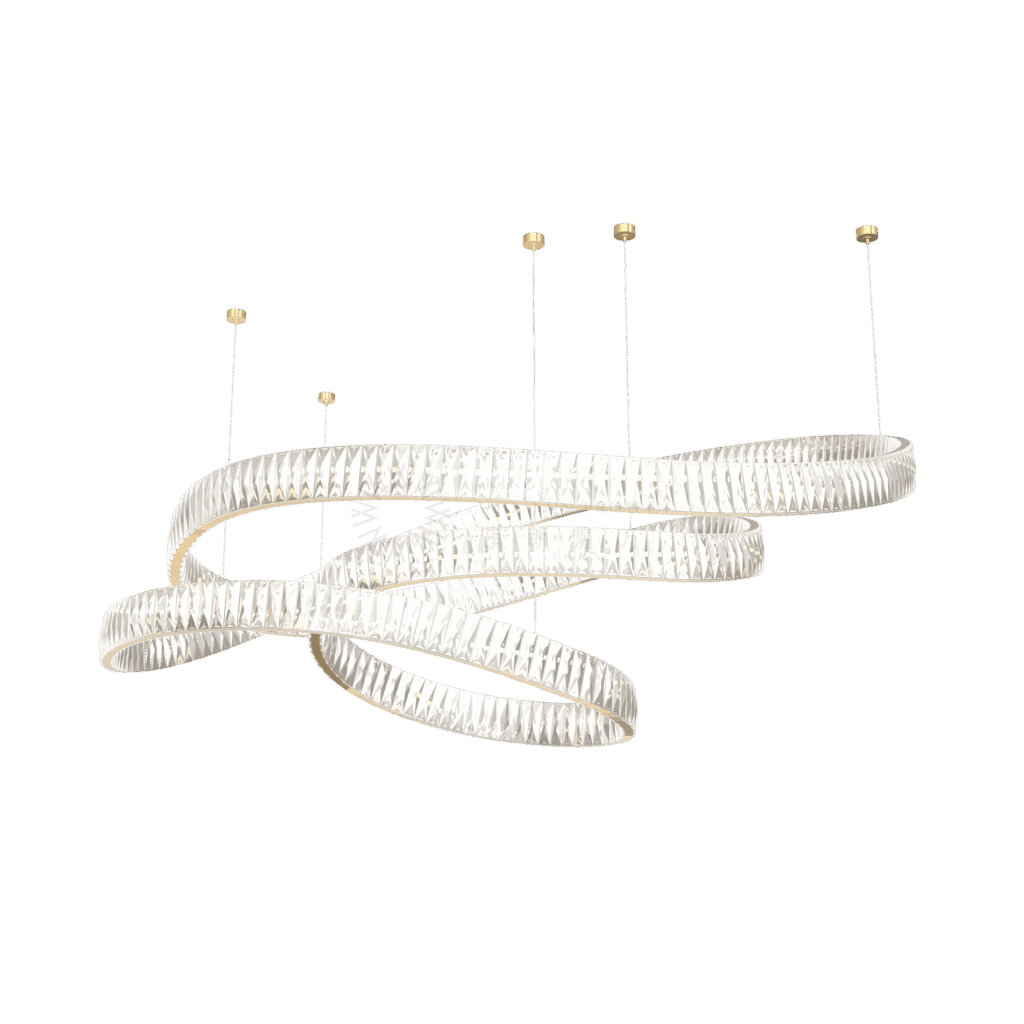
The custom route operates on principles, not catalog defaults. Start with use cases; assign scenes; then specify optics, CRI, and control topology (DALI, DMX, or hybrid). If a corner overheats, adjust thermal paths. If the dining table wobbles (visually), hang massed pendants at staggered heights and calibrate their lumen output; yes, even your home decor pendant lights can become task-plus-ambient actors. You get a system—drivers, optics, and mounts that talk nicely to each other. Less glare. More legibility. And quieter ceilings. That’s the difference you feel when nothing calls attention to itself—except the room’s calm.
Forward Look: New Technology Principles, From Chip to Scene
What’s Next
Tomorrow’s custom lighting will lean on smarter control logic, not louder fixtures. Think tunable-white LED modules tied to scene logic that respects circadian cues—cooler for morning tasks, warmer for evening rest. Edge dimming with high-frequency drivers eliminates shimmer on camera (your phone sees everything). Micro-optics refine beam edges, so you paint with light rather than spray it. Power converters get smaller and cooler, enabling slim profiles that vanish into millwork. And with lightweight scene servers, your home decor pendant lights can join a broader choreography: cove rises to 20%, task drops to 40%, art stays crisp at 300 lux—done in one tap. (No drama, just design.)
We also see hybrid networks—wired backbones for reliability, wireless overlays for flexibility—so retrofits stop being a headache. IP-rated minors go outdoors without humming; beam tuning shifts seasonally; maintenance becomes data-driven. The principle is steady: measure needs, not fixtures. Then build an adaptive stack—optics, drivers, controls—that can bend as your life changes. You move the sofa; the light plan follows. You add artwork; a track head clicks in, click, click—done. And the room still feels like itself, only clearer.
Advisory Close: How to Choose the Right Bespoke Path
To cut through noise, test solutions by three metrics. 1) Scene fidelity: can the system hold stable color (high CRI, tight CCT) and smooth low-end dimming across all scenes? 2) Visual comfort: verify glare metrics, beam control, and how surfaces read—especially skin tones and natural materials. 3) Lifecycle clarity: check driver access, thermal management, and update paths for controls (firmware, integrations). If you can model these in a quick mockup or pilot room, even better. Small trials reveal the truth faster than glossy brochures. And if the room suddenly feels calmer and sharper at once—you’ve likely found your fit. For more on thoughtful custom systems, see kinglong.

