
Framework overview and the quiet logic behind it
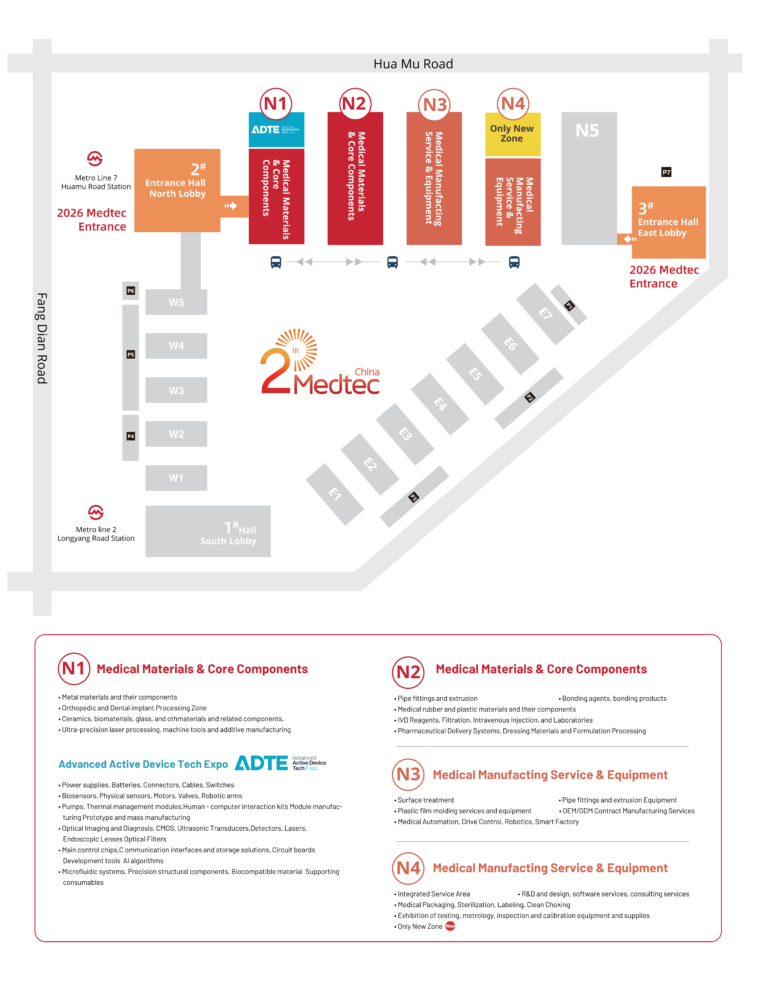
Calmly, begin with structure: a product-ready polymer must be designed with testable checkpoints rather than hopeful assertions. This framework borrows anatomy-like clarity—materials, process, validation—so teams can trace risk to control. At the recent international medical expo I walked booths and listened to engineers explain repeatability; the pattern was clear and useful. Medtec 2026 also highlighted the same need for upstream quality thinking, and that industry focus informs the steps below.
Core components of the quality framework
Start with material selection, then lock down process control and testing. Material selection demands suppliers with documented biocompatibility and traceability. Process control requires documented sterilization validation and extraction testing protocols. Testing must be scheduled, not ad hoc—retention samples, for example, should meet a 14-day bioburden incubation observation to validate cleaning and storage.
Implementation pathway — practical, stepwise
1) Define intended use and patient contact duration. 2) Map routes of exposure and assign test types. 3) Build acceptance criteria tied to clinical risk. 4) Run pilot lots and retain samples for at least the planned shelf-life stress tests. Keep records interoperable with supplier documentation so audits run smoothly.
Testing specifics and required sub-chapters
When you call out tests, name the methods so nothing is ambiguous. Include USP references and ISO alignment where necessary:
– USP <87> In Vitro Cytotoxicity
– USP <88> Biological Reactivity Tests, In Vivo
– ISO 10993 family for broader biocompatibility mapping
Also include sterilization validation methods and extraction testing protocols agreed with your sterilization vendor. These named chapters anchor expectations and reduce rework during regulatory review.
Common mistakes and practical alternatives
Teams often treat USP Class VI as a checkbox rather than a design constraint. That leads to late redesigns when extraction testing reveals incompatible additives. A practical alternative: lock polymer formulation early and run parallel cytotoxicity (USP <87>) and short-term extractables assessments. This reduces iteration cycles and preserves timelines—especially helpful for small suppliers who can’t absorb multiple tooling runs.
Process controls that create measurable confidence
Three controls deliver measurable gains: supplier incoming acceptance testing, in-process monitoring (melt flow, residual monomer), and retention-sample strategy with documented storage conditions. Monitor key parameters daily during ramp-up; then shift to statistical process control once stability is shown. These are concrete metrics you can report to purchasers and auditors.
Real-world anchor and lessons from the floor
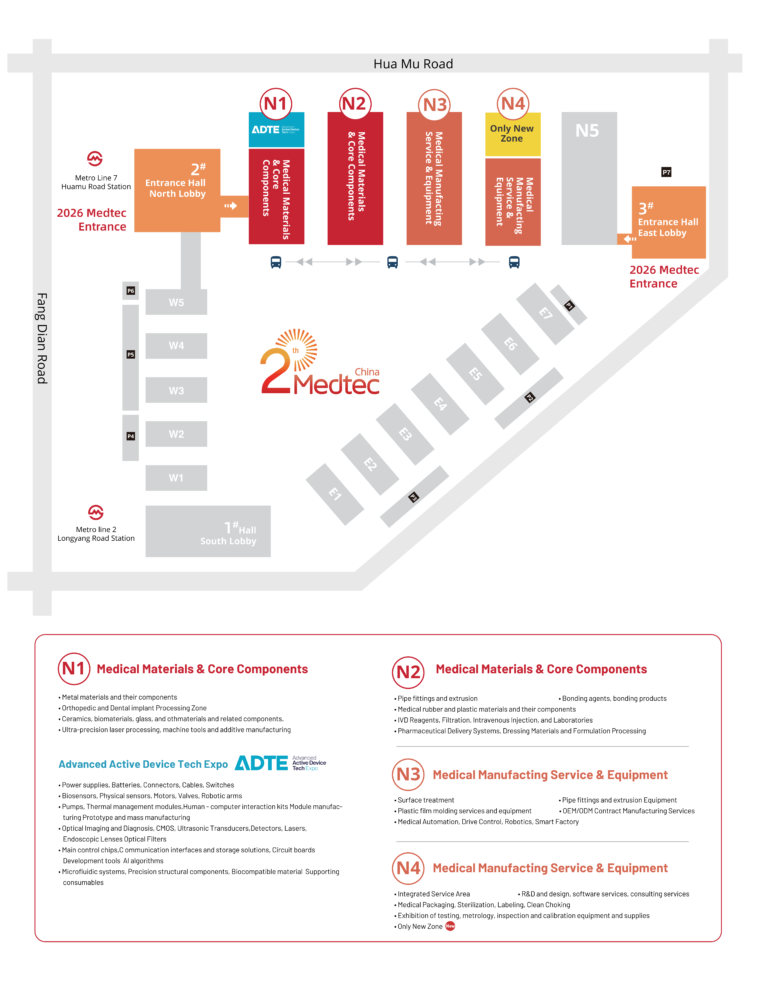
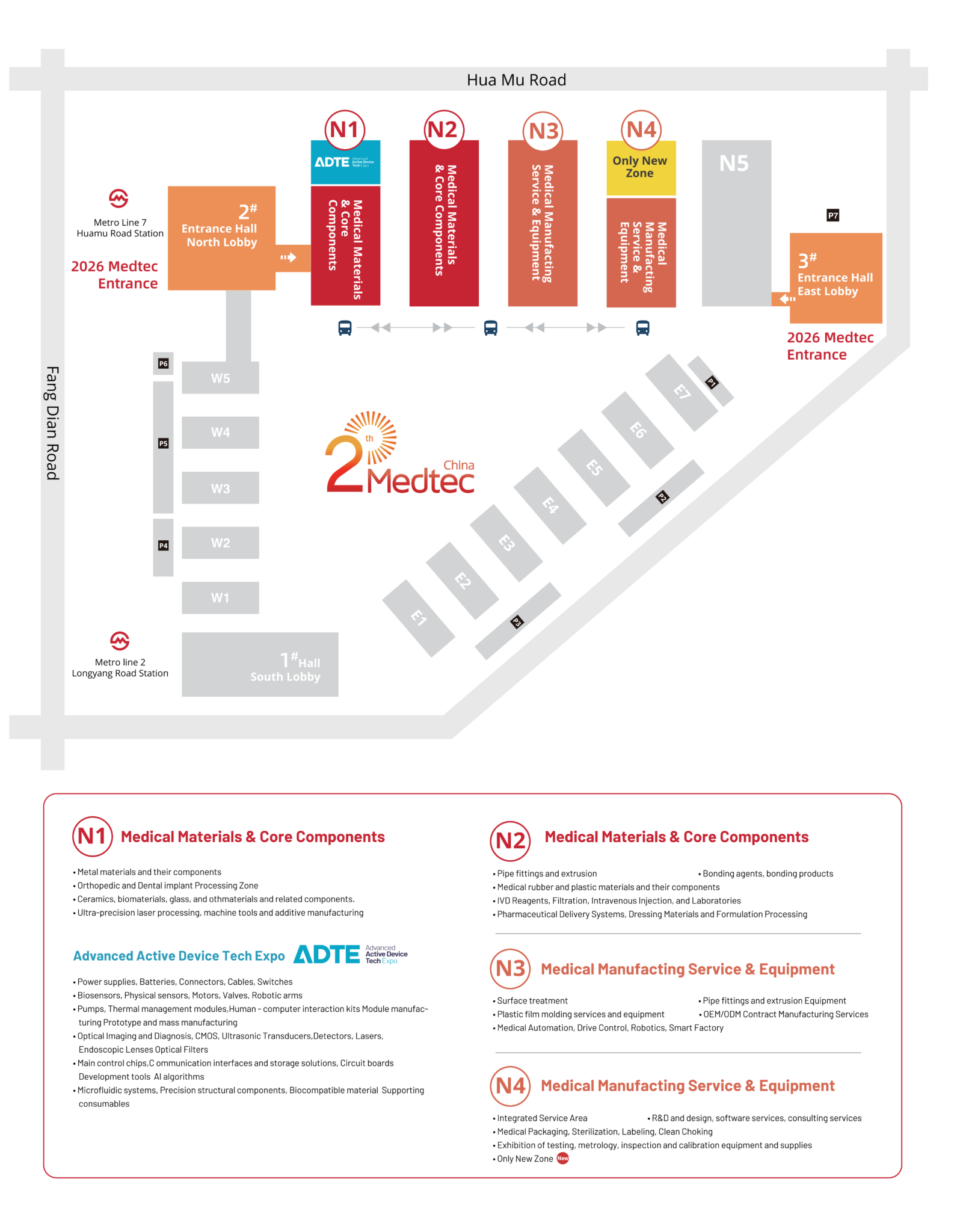
At Medtec 2026 in Shanghai, a mid-sized polymer house showed a live traceability board—lot history, sterilization batch, and test outcomes aligned. It wasn’t flashy, but buyers reacted to the clarity. That scene was a reminder: transparency beats marketing claims. — It also showed how small investments in documentation improve commercial trust.
Advisory: three golden rules to evaluate USP Class VI readiness
1) Match tests to risk: accept only tests whose failure would change clinical performance, and document that decision. 2) Require named methods: list USP <87> and USP <88> (and relevant ISO 10993 parts) in contracts so labs know exactly what to run. 3) Verify retention and bioburden: enforce a 14-day bioburden incubation window on retention samples and keep those samples for the stated shelf-life plus verification period.
These measures shorten review cycles and surface issues before tooling—so teams ship with confidence. Medtec. — final thought.

