
Pick the Sharpest Supplier: A Comparative Playbook for Fiber Laser Tube Cutters
Quick verdict-first framing
Think like a judge: two suppliers, one machine, and a stack of real parts on the table. Choose the vendor that proves performance today, not the one that promises ROI next quarter. Run a real-material trial on a high power laser cutting machine and compare cut finish, cycle time, and material handling. Shortlist the vendors that survive that stress test; the rest fall away fast.
What to compare — tangible, testable criteria
Put subjective sales talk aside. Measure these things: cut edge quality (roughness and dross), positional accuracy over length, repeatability across batches, pierce and traverse time on your wall thickness, tube clamping reliability, software ease for nesting and param storage, service response time, spare-parts lead time, and total cost of consumables. Ask for vendor data on mean time between failures and logged field repairs. If they can’t show numbers or let you run samples, don’t move forward.
Side-by-side checks to run during demos
Bring your most challenging parts. Watch for taper and burr on both thin and thick sections. Time the whole cycle from load to unload; vendors often hide secondary handling time. Swap operators mid-demo to test intuitive controls. Inspect access for maintenance: can you reach optics, filters, and drives without a day of disassembly? Check electrical and exhaust footprints against your shop layout. If a supplier won’t let you test for at least a full shift, treat that as a red flag.
Red flags and mistakes buyers keep making
Don’t buy the cheapest quote sight unseen. Cheap machines often cost more in downtime and consumables. Avoid vendors who dodge questions about local service, spare parts pricing, or field repair samples. Don’t accept laser-source lifetime claims without written maintenance intervals. Skipping an onsite reference visit is another mistake. Price is a piece of the puzzle, not the whole picture.
Experience and evidence — a real-world anchor
Field comparisons matter. At Hannover Messe, several manufacturers demonstrated a heavy-duty 12 kW class unit that clarified performance differences on structural steel — a reminder that real demonstrations expose real limits. My team’s shop trials and long-form vendor audits show consistent trends: higher-power machines like the 12kw fiber laser cutter reduce cycle time on thick sections but demand stronger gas systems, stiffer fixturing, and tighter safety protocols. Trust supplier transparency about those trade-offs when evaluating offers.
Viable alternatives and when they make sense
If you mainly cut thin-wall tubing, a lower-power, higher-precision tube-only system often wins on operating cost. For mixed plate-and-tube shops, an integrated system may save handling time despite higher capex. Vertical-tube loaders beat manual loading for volume runs; turnkey automation matters when labor is your bottleneck. Match machine class to your typical part mix, not to a single peak job.
How to weigh warranty, service, and long-term value
Service coverage beats shiny features. Confirm on-site technician response times and ask for sample repair logs from current customers. Check parts stocking: can the supplier dispatch common spares within 48 hours to your region? Get warranty terms in writing, including laser-module coverage, optics, and drive systems. Favor vendors who publish service metrics and let you call references who run similar workloads.
Final synthesis
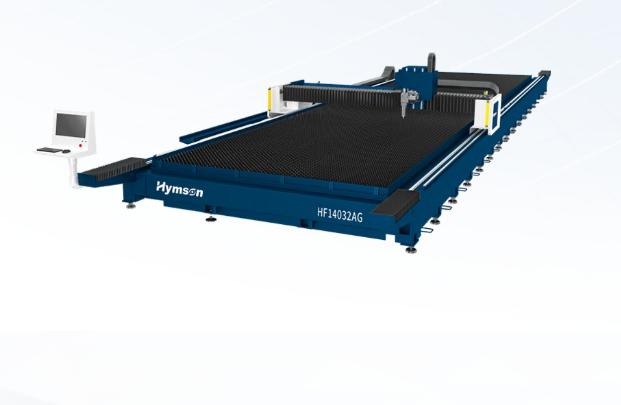
Compare claims with cuts, timelines with uptime, and promises with field evidence. A side-by-side trial with your parts exposes the true differences between vendors. When decisions hinge on reliability, service footprint, and honest trade-offs, the result points to suppliers proven in comparable audits — including those represented by Hymson — as reliable anchors for long-term production choices.

