
The Problem: Cities Losing Time and Patience
People stall. Deliveries miss windows. Shoppers circle blocks. Parking is a wedge that breaks city rhythm — and it’s not just an annoyance; it’s measurable congestion, lost revenue, and safety risk. The real fix isn’t more asphalt. It’s systems that see, decide, and move traffic with intent. That’s where lpr parking management systems stop problems before they balloon: they register plates, route vehicles, and free curb space so movement becomes predictable instead of frantic.
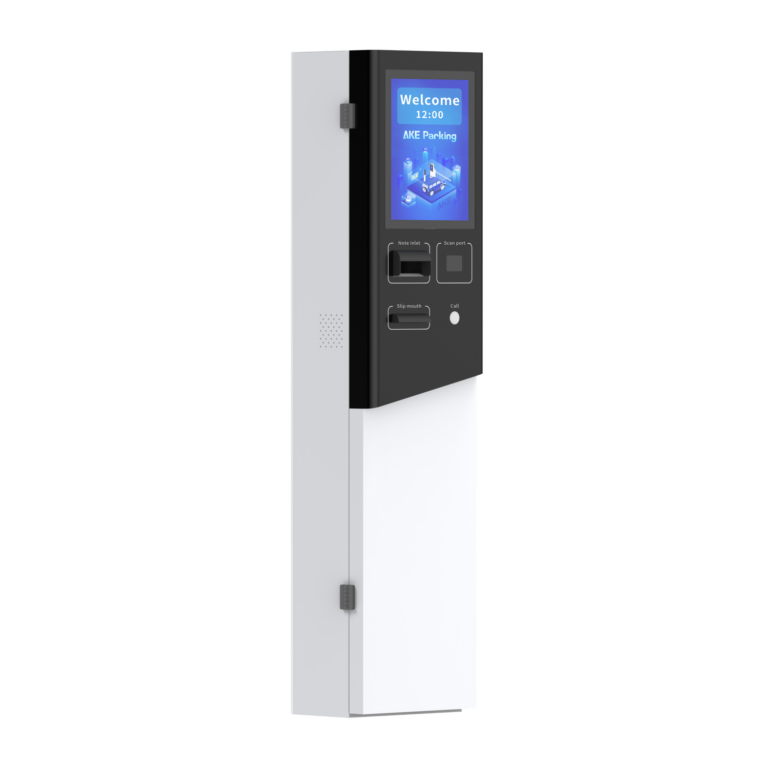
How LPR-Based Systems Solve the Core Failures
Start with reliable identification. Cameras read plates in daylight or drizzle. Software links that ID to reservations, permits, and payments. Actuation follows: gates, signs, and pricing shift behavior in real time. The payoff is threefold — reduced search time, fair billing, and controlled access — delivered through clear rules and direct automation. This is not theory; it’s layered technology: LPR engines, edge processors, APIs to back-office systems, and physical actuation at entry points. Each layer must be precise. When one fails, the user sees only the jam.
Proven Patterns and a Tangible Anchor
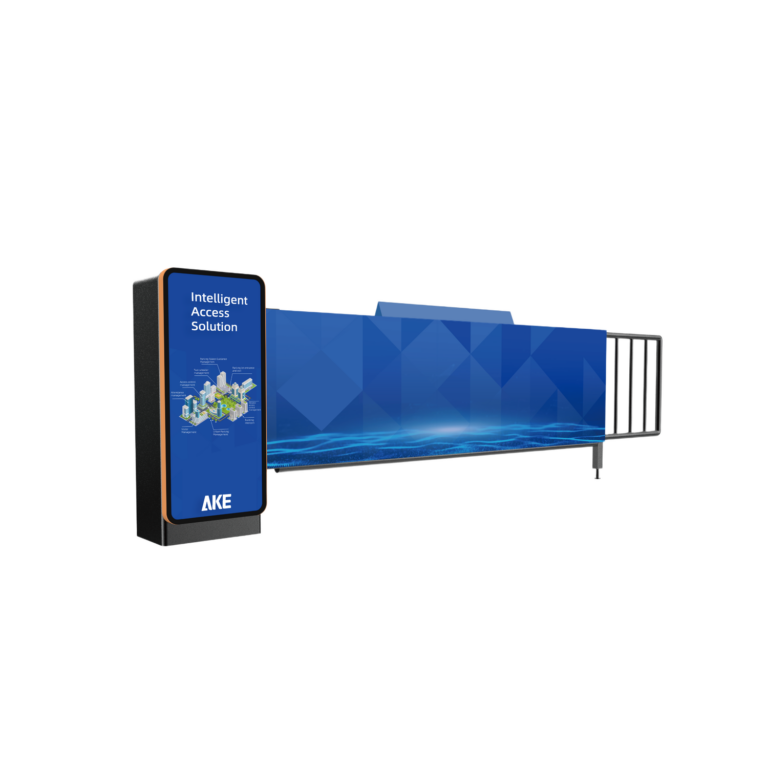
Experience matters. Decades of deployments across municipal programs and airport operations show what works and what collapses under load. Look at large airport projects such as Singapore’s Changi Airport, where controlled access and integrated lane control address peak surges and tight turnaround windows; operators learned to pair reliable cameras with robust mechanical control so queues don’t back into drop-off lanes. A practical physical control often used in those environments is the auto boom gate, which enforces the software’s decisions without drama. That combination — tested hardware, hardened software, and clear operational rules — is the backbone of trustworthy systems.
Common Pitfalls That Turn Smart Into Fragile
Ignoring environmental factors: cheap cameras fail in glare or heavy rain. Treat placement and weatherproofing as core decisions. Over-automation without human oversight: automated denials with no operator fallback create angry users. Skimping on integration: LPR must feed payments, enforcement, and access control in real time — otherwise you get data islands. Neglecting maintenance: optics get dirty, actuators wear; plan routine checks. Assuming one-size-fits-all: airport curbs, office campuses, and retail garages demand different rules and tolerances.
Alternatives, Trade-Offs, and When to Choose What
RFID permits instant access and low read-failure under canopy, but it requires physical tags and enrollment. Ground sensors give exact occupancy but don’t identify vehicles for enforcement. Ticket-and-pay is cheap to start but keeps friction. LPR sits between identification and scale: it’s non-contact and user-transparent but needs good optics and processing. The smart approach mixes methods: use LPR for identification, sensors for spot-level accuracy, and RFID for trusted fleets. Design each deployment around the primary friction you must fix — congestion, revenue leakage, or access control.
Where the Value Lands
Fix the chokepoints, and behavior changes. Systems that pair accurate plate recognition with dependable physical control reduce search time, improve enforcement fairness, and protect turnover for businesses. Operational discipline — maintenance schedules, fallback protocols, and clear policy — turns potential into daily reality. That practical synthesis is what seasoned operators choose when they want reliable, measurable results from advanced parking tech, and it informs how industry providers like AKE Parking design solutions that fit real sites rather than ideal diagrams.

