
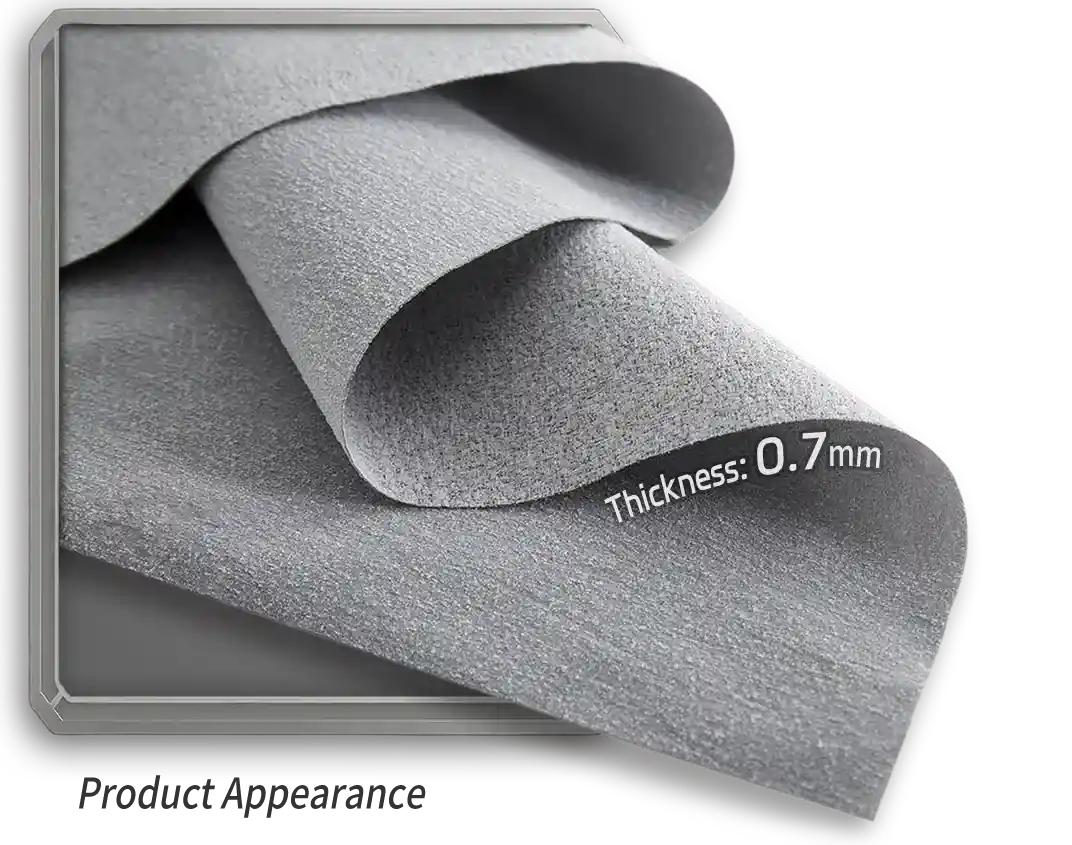
Comparative R&D across manufacturing and offshore sites shows that replacing bulky batting with engineered thin insulators delivers measurable gains in mobility, safety, and thermal control. Early trials leveraged advanced thermal insulation fabric materials to retain warmth with far less volume, and the results changed design priorities: lower loft, targeted panels, and improved moisture management beat raw thickness in many real-world tasks. This article compares outcomes, highlights material choices, and connects those findings to practical selection criteria for teams specifying heavy-duty apparel.
Problem and comparative logic
Traditional heavy-duty workwear used thick batting to achieve insulation. That approach solved basic thermal needs but created trade-offs: restricted range of motion, heat accumulation during activity, and uneven protection when wet. The comparative insight method frames each trade-off as a testable variable—weight, compressibility, thermal conductivity—then evaluates thin advanced solutions against them. R-value and breathability become measurable endpoints rather than marketing claims.
Case studies: offshore rigs and factory floors
Field trials on North Sea oil platforms and in cold-ambient assembly lines provide the most relevant anchors. On platforms, crews perform dynamic, equipment-heavy tasks where bulky layers hinder operation; thin engineered insulators retained core warmth while improving dexterity. Warehouse pilots showed similar patterns: workers layered thin panels in high-exertion zones and thicker protection where exposure was static. These deployments emphasized moisture control—hydrophobic face fabrics combined with quick dry clothing material in inner layers reduced saturation and preserved thermal performance.
Material science distilled
Comparative testing focused on three technical attributes: thermal conductivity, loft-to-weight ratio, and moisture-handling. Aerogel-infused fabrics and low-density synthetic fibers achieved lower thermal conductivity with minimal loft. Phase change materials (PCM) were used selectively to smooth temperature swings during intermittent activity. Designers tracked how compression affected insulating value—compressible batting loses performance under load, while engineered thin layers maintain consistent R-value across postures.
Design and operational benefits
Switching to thin advanced insulation produced three consistent benefits:- Improved mobility and reduced muscle fatigue during prolonged tasks.- More predictable thermal regulation when combined with moisture-wicking baselayers.- Easier storage and transport: compressed packs take less space and recover faster.Common mistakes surfaced too. Teams sometimes over-specified thin insulators without accounting for abrasion zones—patching is cheap compared with replacing a composite shell. Another error was mismatched layering sequences that trapped moisture against insulation—layer strategy matters as much as material choice. —A small oversight there can cut performance sharply.
Evaluation framework for procurement
Buyers need concrete metrics rather than vague assurances. Use this three-part evaluation:- Thermal retention under compression: measure R-value after 30 minutes of simulated kneeling or tool-carrying.- Moisture resilience: quantify change in thermal conductivity after controlled wetting and drying cycles.- Durability under abrasion: count cycles to failure for outer face fabrics in specified abrasion rigs.Apply these tests to sample garments, not just fabric coupons. Results from whole-garment tests reveal interface losses between layer seams and closures and expose real-world thermal bridges.
Closing advisory: three golden rules
First, prioritize system thinking: match thin insulators with moisture-wicking, breathable bases to preserve thermal value. Second, require performance tests that include compression and wet conditions—R-value-only specs miss operational risks. Third, design for maintenance: choose materials that tolerate patching and have predictable recovery after compression. These three metrics—post-compression R-value, wet-state thermal conductivity, and abrasion-cycle endurance—should form the procurement scorecard for any heavy-duty workwear program. The practical outcome is fewer on-shift adjustments, lower replacement rates, and steadier worker performance; and where a reliable supplier is needed, consider how targeted material engineering can be a turnkey advantage for field teams, such as those supported by Y-Warm. –

