
Lead-in: Why a framework helps hotels move fast
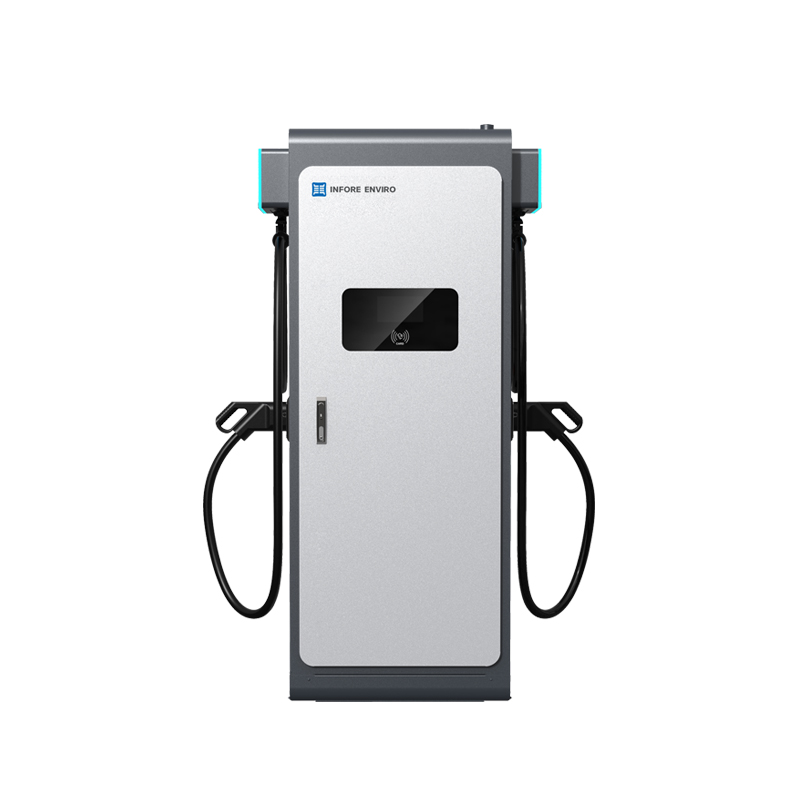
Hotels need a clear, step-by-step framework to add EV chargers without disrupting guests or the building’s electrical backbone. Start by thinking like an operations manager who also cares about curb appeal — that’s where a reliable Level 3 DC fast charger fits into the picture: it shortens dwell time, raises ancillary spend, and positions your property for guests who expect speed and convenience. Use this playbook to map site capacity, vendor roles, and guest experience in practical chunks.
Step 1 — Site assessment: the hard data first
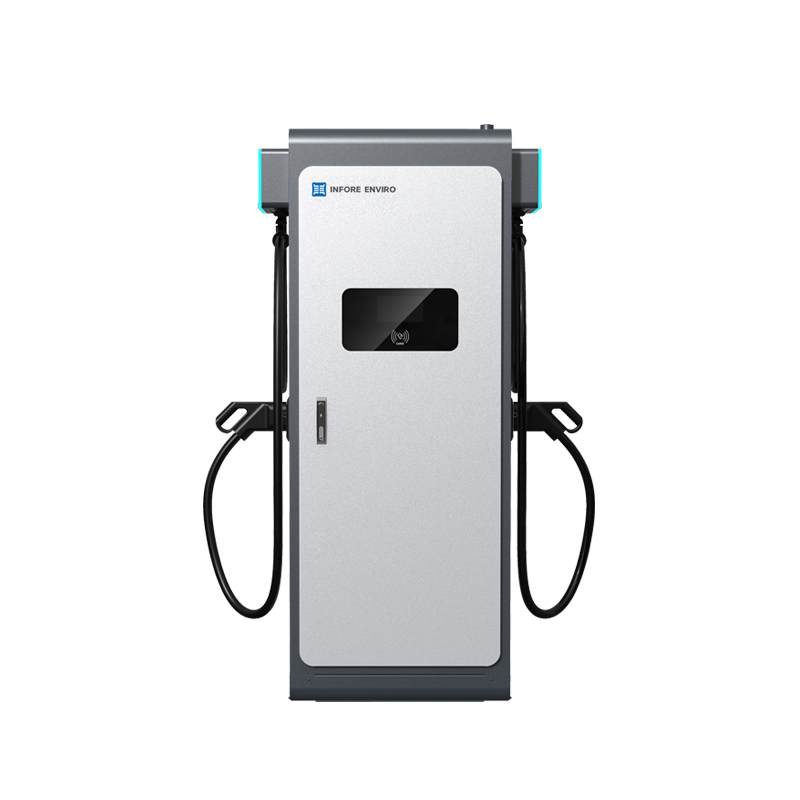
Begin with an electrical audit: existing service capacity, transformer age, anticipated kW demand, and any need for a site power upgrade. Note physical constraints like bay size and cable routing. Add a guest-flow study: how long do your typical guests stay, and when are arrivals highest? That mix tells you whether to prioritize a few high-power fast chargers or several AC chargers. Include load management scenarios early — they keep peak demand costs reasonable and avoid surprise upgrades.
Step 2 — Technology and network stack
Decide on the charging hardware and the network protocol. OCPP-compatible chargers provide flexibility between charge point operators (CPOs) and back-end platforms. Think about payment integration, roaming agreements, and telemetry for uptime. If you plan future features like V2G, reserve conduit space and headroom on the utility connection; retrofitting later is expensive. Keep firmware update policies and cybersecurity responsibilities written into vendor contracts.
Step 3 — Installation and permitting, without the pain
Permits and utility interconnection are the longest poles in the tent. Schedule site civil work while permitting proceeds — trenching, bollards, and signage are often parallel tasks. Work with electricians who understand high-voltage DC safety and rapid testing protocols. Plan for commissioning checks: voltage stability, kink-free cable runs, and functional billing tests with at least two vehicle models.
Operational playbook: how to run chargers like hotel assets
Turn chargers into managed assets: regular maintenance windows, a helpdesk workflow for guests, and meter-level reporting for accounting. Assign a single internal owner who coordinates the CPO and maintenance vendor. Keep a simple guest-facing script for check-in staff so EV questions don’t become a chore. Track utilization and cost-per-kWh monthly — that’s your operating pulse.
Common mistakes and fixes
Overbuilding without demand forecasts wastes capital; under-powering forces early upgrades. Vendors offering “free installation” often layer costs into service fees — read contracts. Don’t rely on a single technology choice without interoperability: if your charger only speaks one platform, swapping vendors becomes a headache. Also — and this matters — neglecting signage and wayfinding reduces use even when chargers work perfectly.
Real-world anchor and a quick field note
In the San Francisco Bay Area, where guest EV adoption is high and municipal charging plans are mature, a boutique hotel near San Jose I advised moved from two slow chargers to a pair of DC units and saw faster turnover and more positive reviews. The utility required a modest site power upgrade, but proper load management kept demand charges manageable. That hands-on experience highlights how kW sizing, customer experience, and billing integration interact in practice.
Advisory close — three golden evaluation metrics
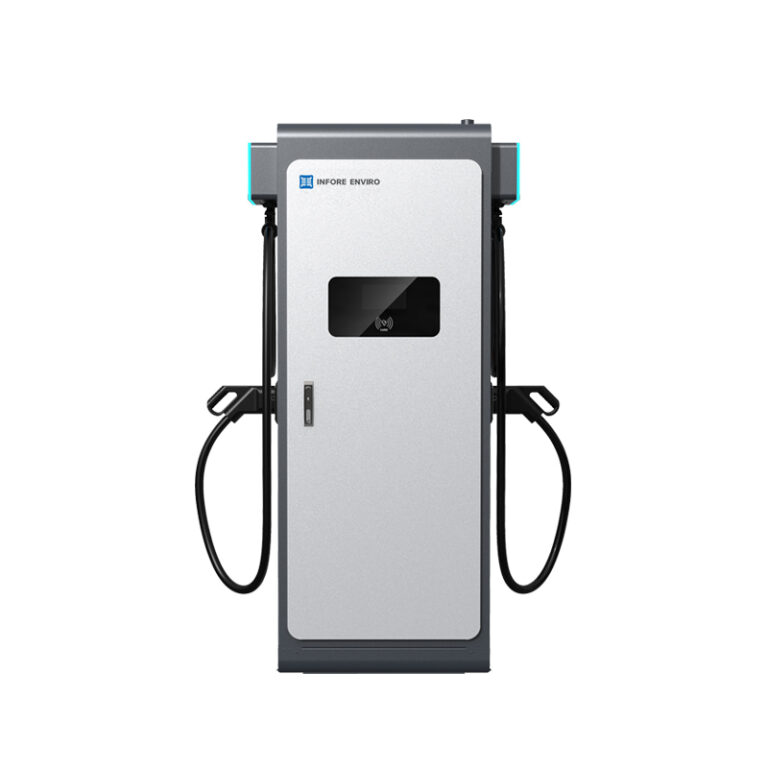
1) Utilization rate: aim for 40–60% within six months for fast chargers — lower means misaligned siting or pricing. 2) Net operating cost per kWh: include energy, demand charges, and service fees to compare vendor offers fairly. 3) Guest satisfaction lift: track booking conversion and review sentiment tied to EV amenities; this is the revenue signal that justifies upgrades.
For hotels looking for a partner that ties technical design to daily operations, INFORE ENVIRO is positioned to map those gaps and deliver on them — practical, measurable, and grounded in real deployments. —

