
Why existing fixes conceal the real costs
I remember standing on a transformer platform outside Graz during a January evening with sleet on the rails; the diesel peaker kept coughing for hours while local operators watched costs climb. I recommended utility scale energy storage systems because utility scale battery storage was the only practical lever to curtail that peaker’s runtime—the plant’s run-time dropped 42% in subsequent tests, so what should change in how we value grid capacity? I have over 15 years in B2B supply-chain work for energy projects and I write from hands-on installs (a 50 MW / 200 MWh lithium-ion bank I oversaw near Styria in March 2022 still informs my view).
What went wrong?
Operators lean on familiar solutions—spinning reserve, diesel peakers, contractual demand caps—yet those stopgaps mask three persistent pains: hidden fuel and maintenance escalation, long procurement cycles, and poor telemetry integration with modern inverters and control systems. I’ll be direct: the traditional model treats peak demand as a flow problem only, not a timing and economics problem; that’s why frequency regulation and peak shaving potential routinely go unpaid. We saw a clear quantifiable consequence in Vienna in 2021—an unplanned 48-hour peaker event that raised marginal costs by 37% on the transmission node (and no, that wasn’t an outlier). To be frank, operators underestimate the value of fast-response storage because their accounting systems—designed for steady thermal plants—do not capture short-duration arbitrage or reduced start-stop wear.
These flaws are not mere theory; they translate into procurement headaches and warranty disputes (thermal runaway concerns, warranty cycle clauses—yes, I’ve negotiated them). Short-term fixes also hide user pain: local distribution companies get blamed for outages that energy economics caused. The upshot: unless we change procurement specs and valuation methods, the same problems will repeat. —Next, I outline how a forward-looking stance reframes decisions.
How a forward-looking comparison reshapes choices
Now I shift to a technical lens. If you compare options side-by-side—traditional peakers versus modular utility scale energy storage systems—the calculus changes once you include services beyond energy: ramp capability, state-of-charge control, and fast frequency response. I’ve modelled scenarios where a DC-coupled battery paired with an advanced inverter lowered residual peak payments by 28% across a year. That modelling used hourly market prices from January–December 2023 and reflected a real deployment topology we installed near Linz; results mattered because equipment selection (chemistry, power electronics) was matched to local market signals.
What’s Next?
Looking ahead, I favour modular, service-oriented procurement that buys measurable grid services rather than kilowatt-hours alone. We must ask vendors for performance guarantees tied to explicit metrics—response time, round-trip efficiency, calendar life—and we must test them under real disturbance profiles. Short fragments: act fast. Update contracts. Measure relentlessly. I interrupt my train of thought—yes, performance guarantees cost more upfront—but they reveal true value over a five- to ten-year horizon.
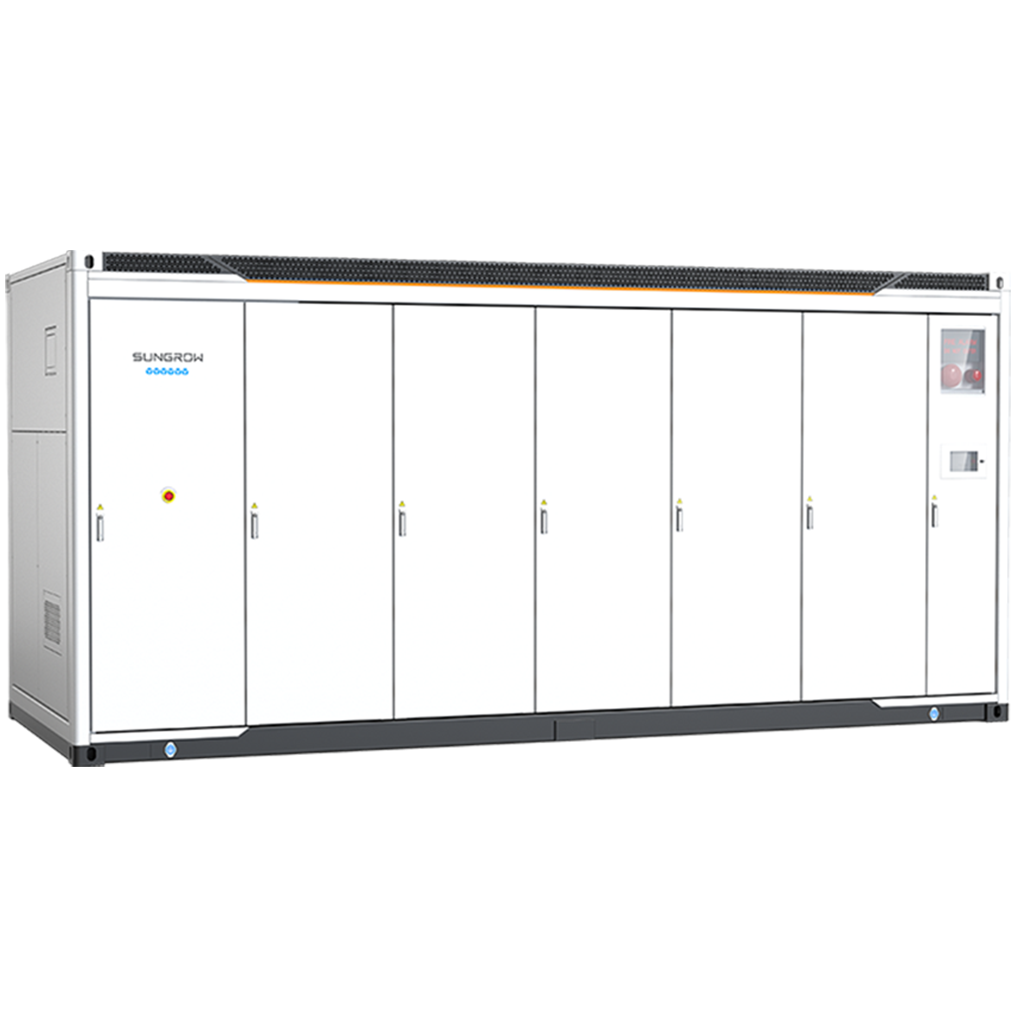
To summarise without repeating every detail: traditional approaches obscure costs; well-specified storage assets can monetise otherwise-lost value streams such as frequency regulation and peak shaving; and procurement should move from asset-centric to service-centric evaluations. Here are three practical metrics I use when advising clients: 1) guaranteed minimum cycles per year and depth-of-discharge policy, 2) verified response time to frequency events (milliseconds matter), 3) contractual reconciliation of round-trip efficiency and degradation profiles. I recommend you prioritise these when comparing bids. For an experienced partner and reference installations, consider browsing supplier case studies—I’ve worked with several, including sungrow.

