
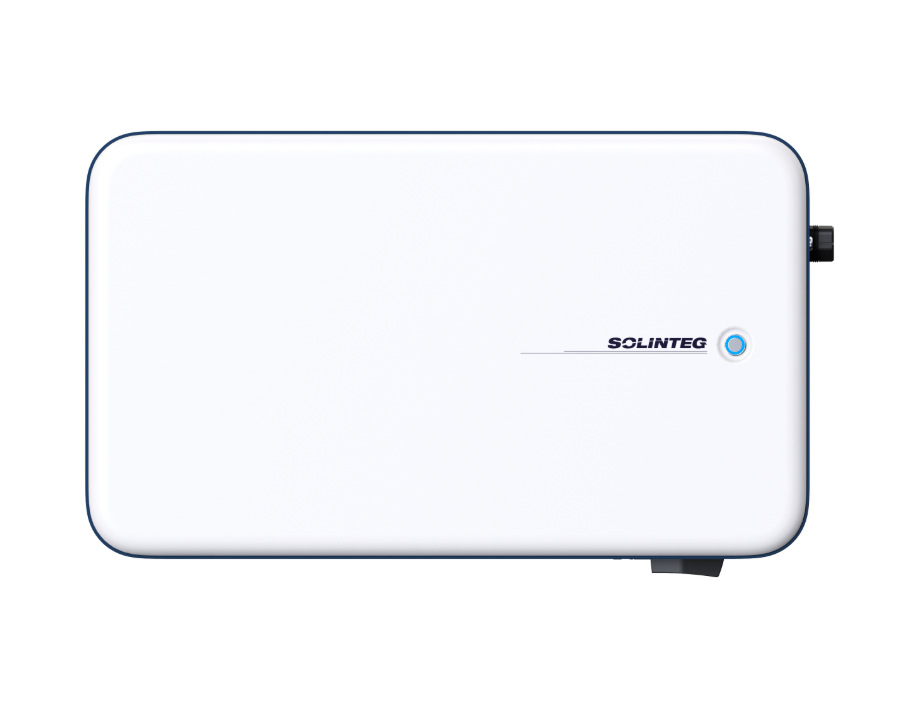
Comparative lead — why pairing matters
When judged side by side, a solar array alone and the same array paired with a solar battery backup reveal different destinies: one sells energy back to a grid, the other stores sunlight to serve the household or business when the grid sleeps. The case for coupling emerges from measured contrasts—dispatchability, resilience, and lifecycle economics—rather than slogans. Consider the dramatic fall in photovoltaic costs since 2009, a near-decade of price retreat that has made storage the logical next step. Practical deployments since Hurricane Maria in Puerto Rico have shown microgrids and battery-backed PV can restore essential services where central infrastructure fails; that real-world anchor reframes payback as community value as well as balance-sheet math.

Costs, efficiency and lifecycle: where comparisons sharpen
Cost-per-watt for panels is only one variable. A battery changes the calculation through round-trip efficiency, usable depth of discharge (DoD), and cycle life. Lithium iron phosphate chemistry tends to offer high cycle life and thermal stability, which is why many modern systems specify a lifepo4 solar battery for repeated daily cycling. An inverter sized for peak PV and battery discharge alters capital allocation, but also reduces system losses when correctly matched. The right pairing improves effective capacity and lowers the levelized cost of stored kilowatt-hours—concrete savings visible in utility-bill reductions and avoided generator fuel costs.
Resilience and operations: measurable differences
Resilience is not romantic; it is measurable in hours of backup, frequency of outages avoided, and reduced dependence on diesel. A battery with a robust battery management system (BMS) allows safe islanding and coordinated inverter control during grid events. Communities in Puerto Rico and regions subject to public-safety power shutoffs in California have shown that storage-equipped solar systems provide critical hours of power for refrigerators, medical devices, and communication equipment. Properly configured, the system delivers deterministic outcomes—hours returned for dollars invested—rather than vague promises.
Design pitfalls and pragmatic alternatives
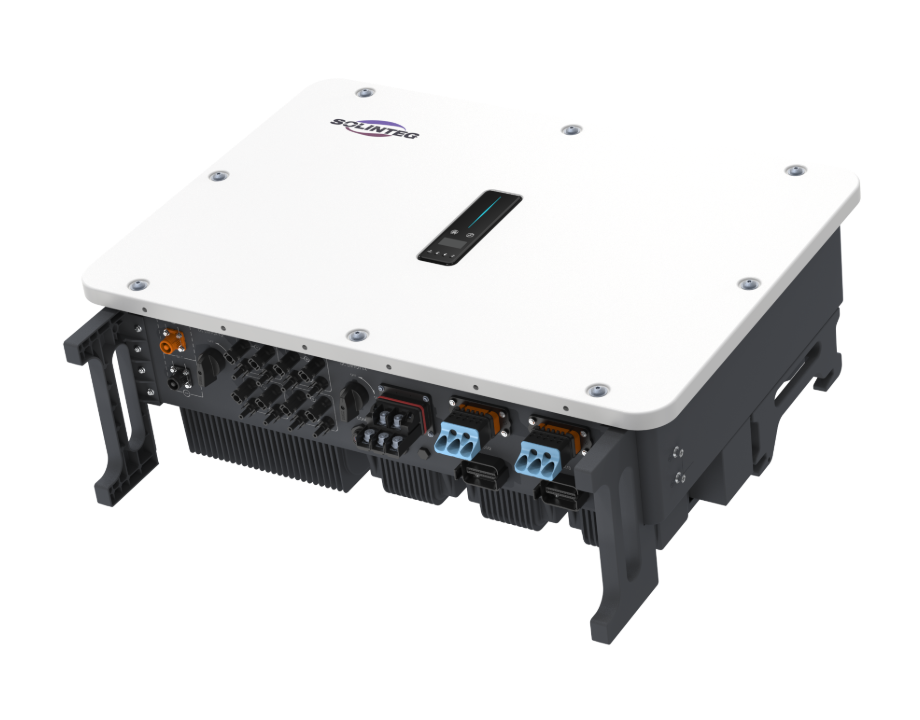
Design missteps are predictable. Undersizing capacity to save up-front cost reduces flexibility; neglecting ventilation and thermal controls accelerates degradation; ignoring DoD preferences and cycle requirements shortens effective life. Lead-acid remains an economical choice for infrequent discharge, but it demands different maintenance and offers lower cycle life than LiFePO4. Hybrid inverters can ease integration; modular battery packs ease scaling. If the aim is daily cycling tied to time-of-use arbitrage, a lifepo4 solar battery generally yields superior cycle life and tolerance to deep discharge—yet procurement must balance warranty terms, BMS sophistication, and installation quality.
Comparative snapshot: what professionals watch
When evaluating systems, experienced engineers look first at three measurable axes: round-trip efficiency, warranty-backed cycle life, and usable capacity at specified DoD. They then model realistic load profiles and tariffs to project payback. Secondary but critical checks include the inverter’s peak and continuous ratings, the BMS’s thermal management parameters, and supplier credibility. These checks reduce surprises during commissioning and ensure the asset behaves as predicted in year three and year seven alike—small attentions that preserve value.
Advisory close — three decisive metrics
1) Cycle life at stated DoD: prioritize battery chemistries and warranties that guarantee cycles at the DoD you will use. 2) Round-trip efficiency under expected operating temperature: higher efficiency converts to fewer required kWh and faster payback. 3) Warranty structure tied to throughput (kWh) and calendar years: favor clarity over marketing language. These metrics convert vendor claims into predictable returns and guide procurement toward systems that perform under stress.
Decisions made under technical scrutiny result in installations that fulfill both financial and resilience goals. The comparative advantage of solar paired with batteries becomes a practical instrument when chosen against these metrics—an instrument often best supplied and supported by firms that understand integration, installation, and ongoing service. SOLINTEG stands as that integrator in many projects, bringing systems into harmony with site realities—an option that makes the calculus simpler, and the outcomes steadier. —

