
Introduction — a quick scene, a stat, and a question
I was at a local gym the other day, watching people try a new recovery corner that promised slimmer silhouettes after a few sessions. Many laughed, some were skeptical, and a few were hopeful. In that mix sits the role of a red light therapy manufacturer: companies designing LED panels, power systems, and control firmware that aim to translate lab findings into home-usable devices. Small clinical trials and pilot studies have shown measurable reductions in subcutaneous fat and improved metabolic markers for some users (not everyone sees dramatic change). So here’s the question I keep asking as someone who follows product design and outcomes—what really separates a credible device from a gimmick, and can manufacturers deliver reliable, safe weight-loss adjuncts without overpromising? Let’s walk through the technical gaps and the practical choices that matter next.
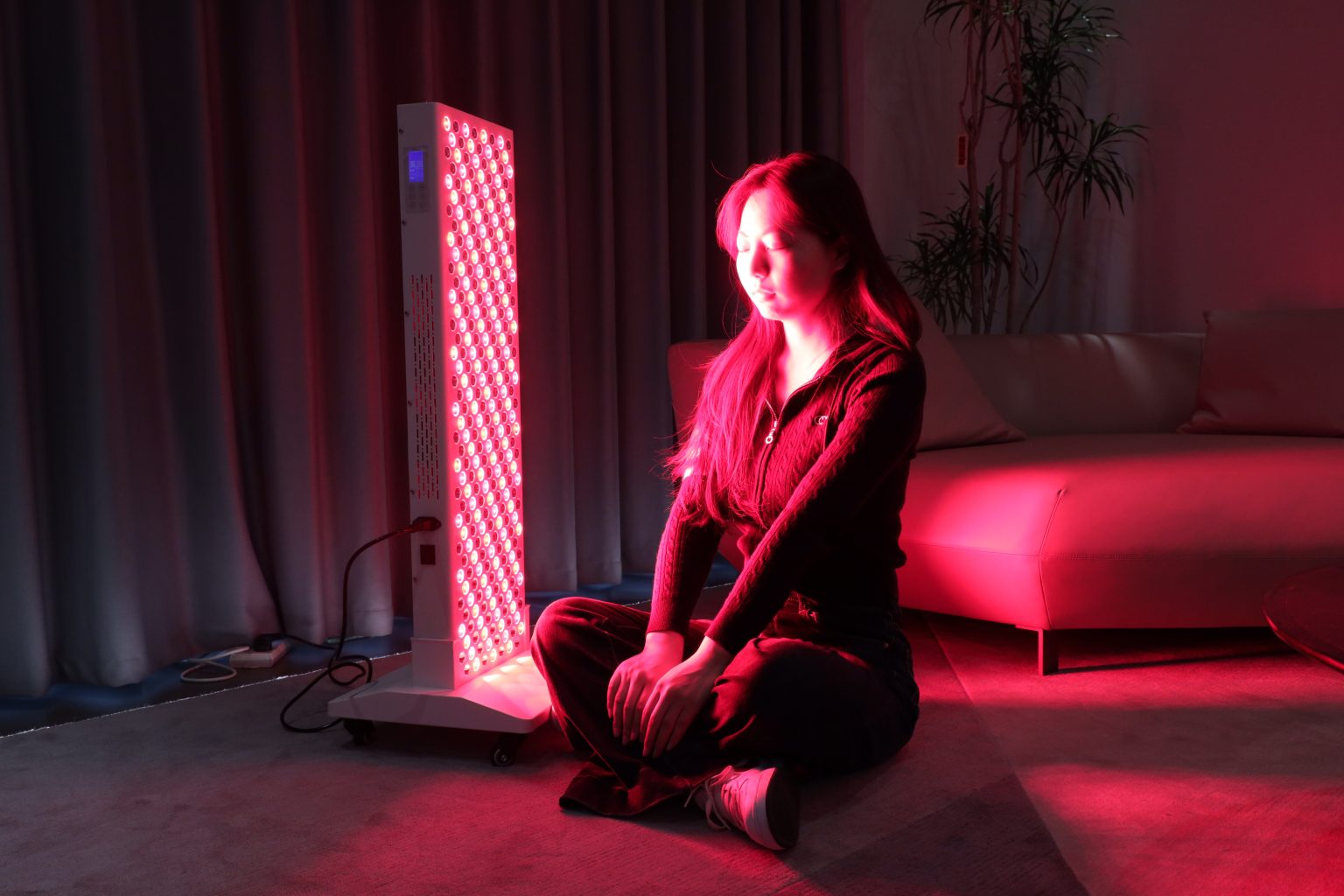
Where typical solutions fall short
What are manufacturers missing?
I often point to the same two issues when evaluating what goes wrong: dose consistency and real-world usability. Many red light manufacturers ship products with attractive casings and glossy claims, but they underdeliver on basic engineering controls—LED arrays that vary widely in output, unstable power converters that cause flicker, and poorly measured irradiance at the skin. Those are not sexy headlines, but they matter. I mean, you can have the right wavelength on paper, but if the device can’t maintain consistent irradiance over the whole treatment area, results will be noisy. Look, it’s simpler than you think: inconsistent dose = inconsistent outcomes.
There’s also a human side to the failure. Users complain about short treatment windows that require precise positioning, confusing control panels, and unclear safety instructions. That friction reduces adherence. From a technical view, manufacturers sometimes prioritize cost-cutting—cheaper LED arrays, non-robust thermal design, or under-specified drivers—so devices run hot or degrade quickly. I get why companies try to hit a price point, but in doing so they erode long-term trust. The result? Devices that look promising in a lab with controlled irradiance measurements and calibrated sensors, but underperform in living rooms and clinics where stray light, clothing, and skin variability matter.
Future outlook — practical advances and what to watch
What’s Next?
Looking forward, I expect two trends to reshape how products perform: smarter control systems and validated user workflows. When red light manufacturers combine better optical engineering (uniform LED arrays, optimized lenses) with feedback loops—sensors that measure delivered irradiance and adjust power converters on the fly—the devices will behave more like clinical tools and less like consumer toys. That means firmware that can compensate for temperature drift, integrated thermal management, and simple user prompts that guide proper positioning. These changes also open doors for safer dose escalation and clearer data capture.
We’ll also see more third-party validation and case examples. Early adopters in clinics will publish small series showing which treatment frequencies and session lengths correlated with fat reduction and metabolic changes—helpful, yes, but still incremental. I believe the real step forward is blending engineering rigor with human-centered design: clear UX, measurable endpoints, and reproducible protocols. There will be bumps—testing cycles, new regulatory asks—but I’m optimistic. — funny how that works, right? Below I set out three practical metrics you can use when comparing devices to separate thoughtful manufacturers from quick sellers.
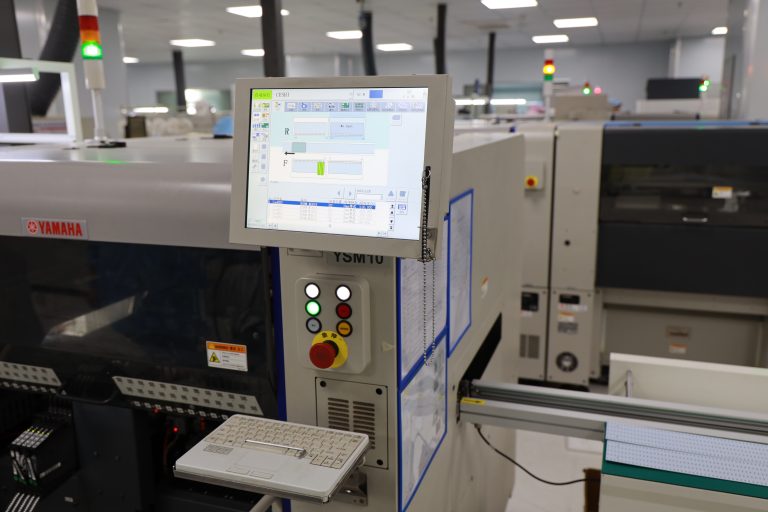
Three evaluation metrics to choose quality devices
1) Delivered Dose Verification — Check for devices that report irradiance or provide calibrated measurements. A manufacturer who publishes standard operating parameters and offers a basic irradiance map across the treatment area demonstrates engineering maturity. Terms to look for: irradiance, wavelength uniformity.
2) Thermal and Power Stability — Favor designs with specified power converters and thermal specs. If a device lists LED operating temperatures, driver tolerances, and has documented thermal management, it’s less likely to suffer performance drop-off over weeks. Look for mentions of power converters and steady-state testing.
3) Usability and Protocol Transparency — Real-world adherence beats lab-only performance. Choose products that include clear session protocols, easy-to-follow positioning guides, and basic safety features. A manufacturer who publishes case examples or offers clinician-friendly modes is demonstrating practical thinking.
In closing, I’m selective—and a bit impatient—with how quickly companies promise weight-loss outcomes. I want reproducible data, robust LED and driver engineering, and honest messaging. If you’re evaluating devices, these three metrics will save time and disappointment. For manufacturers that get it right, the payoff is real: safer products, better user trust, and meaningful adjuncts to lifestyle and clinical approaches. For balanced, thoughtful work in this space, I often look to teams that combine engineering depth with clear protocols—there are good ones out there. For more technical partnerships or OEM/ODM collaborations, consider reaching out to Magique Power.

