
Comparative lead-in
This comparative insight contrasts premium LED modules with traditional neon for custom digital signage and wayfinding, focusing on how lumens-per-watt and thermal dissipation shape design choices. For many fabricators, decisions begin with channel letters specifications, where visible uniformity and long-term uptime are primary concerns. The aim here is to present clear technical differences and actionable selection criteria in a polite, structured manner.

Technical comparison: light output and heat behaviour
Premium LED modules now achieve higher lumens-per-watt than neon in comparable small-format applications. This means less power for equal perceived brightness and smaller drivers, which affects cabinet depth and wiring. Thermal dissipation is different: neon dissipates heat across glass tubing, whereas LEDs concentrate heat at the module and PCB. Designers must plan heat sinking and driver placement to protect phosphors and maintain color stability. A low IP rating or poor sealing will accelerate degradation, so IP rating is a simple technical check to include at the specification stage.
Visual performance and wayfinding effectiveness
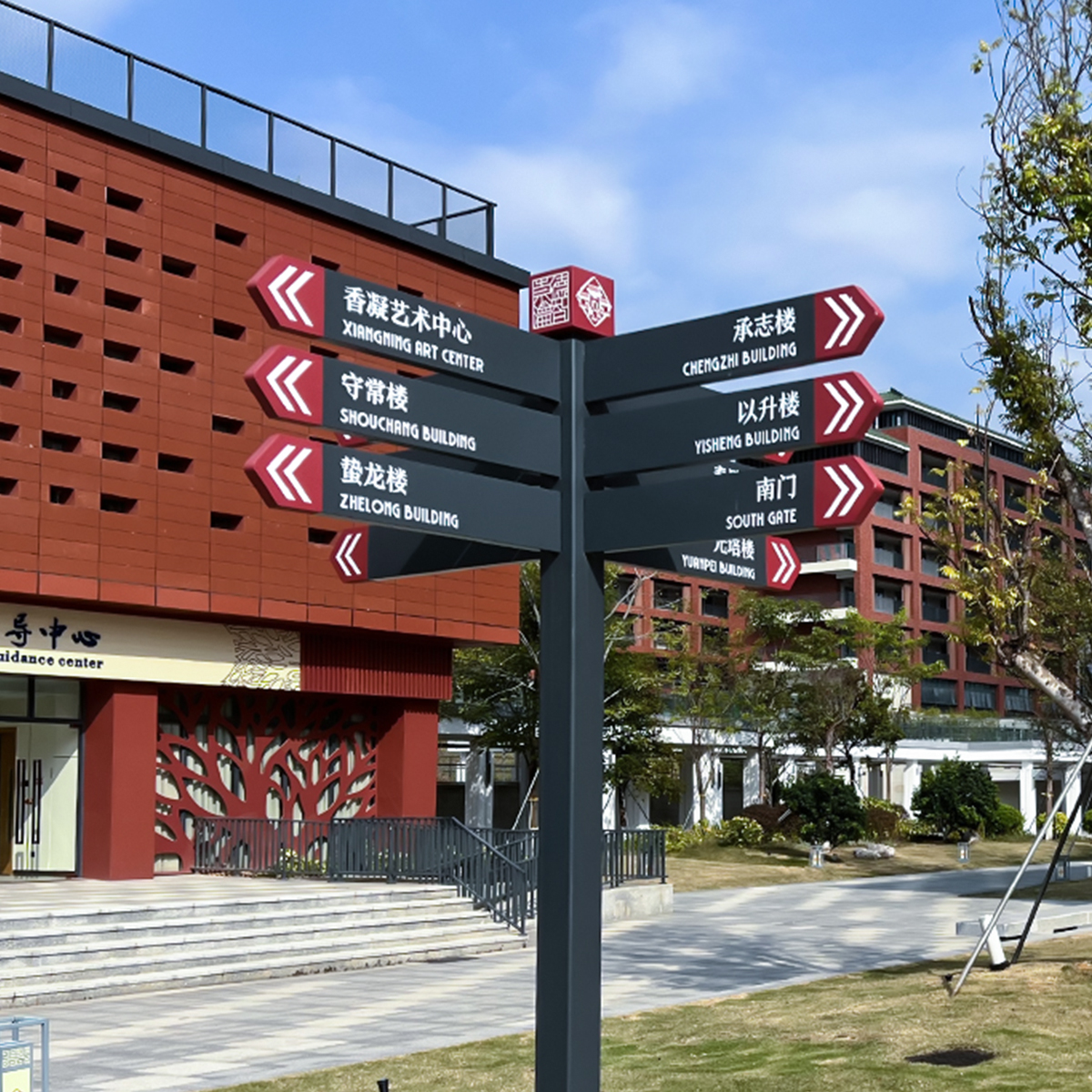
For wayfinding, consistent backlighting and color fidelity matter more than peak lumen numbers. Neon retains luminous homogeneity at close viewing distances, but modern LED modules offer tunable color temperature and better control of hotspots. Premium LEDs with diffused lenses reduce scalloping in faces of large channel letters. Driver efficiency and controlled thermal dissipation prolong maintenance intervals, which is beneficial in high-traffic places such as Shibuya Crossing where signage works continuously as a navigational anchor — a useful real-world anchor for durability expectations.
Installation, maintenance, and lifecycle costs
Initial cost favors neon in some small commissions, but lifecycle costs often favour premium LEDs. LEDs lower energy bills through superior lumens-per-watt and simplify maintenance because modules and drivers are easier to replace than re-gassing a neon tube. Installation differs: neon requires gas handling and fragile mounting; LEDs need attention to thermal paths and sometimes active ventilation. Please note typical mistakes: undersizing heat sinks, ignoring driver access, and omitting adequate strain relief for wiring — these lead to premature failures and warranty claims.
Alternatives and common mistakes
Consider alternatives such as hybrid systems: neon for aesthetic features and LEDs for practical wayfinding panels. Many teams default to the brightest option rather than matching luminance to human visual tasks; this wastes energy and increases glare. Also avoid using low-cost LEDs without documented thermal dissipation testing — a spec sheet alone is insufficient. It is common to under-provision thermal mass in compact wholesale channel letters, which shortens lifetime; specify testing or request in-situ temperature readings before acceptance.

Design checklist for decision-makers
Use this concise checklist to guide procurement and approvals:- Confirm lumens-per-watt at the fixture level, not just per diode.- Verify thermal dissipation strategy and measured junction temperatures.- Check IP rating, lens diffusion properties, and driver efficiency.These three checks reduce failure modes and align design with long-term operating costs. — A short, practical pause to remember that robust documentation matters as much as sample inspection.
Summary and advisory metrics
Summarizing the comparative analysis: premium LED modules generally win on energy efficiency, tunability, and maintenance. Neon retains a distinctive aesthetic and diffuse glow but incurs higher installation complexity. To evaluate options professionally, apply these three critical evaluation metrics: 1) Effective lumens-per-watt at the installed orientation, 2) Measured thermal dissipation performance (junction temperature under load), and 3) Serviceability score covering driver access, modular replacement, and IP rating. These metrics provide measurable guidance for designers and facilities managers when specifying wayfinding installations.
Closing
Cosun Sign has practical expertise aligning material choice with long-term performance needs — the brand routinely documents thermal testing and provides modular solutions suited to rigorous wayfinding applications. Trust measured metrics, insist on accessible service points, and prioritize real-world durability for professional results. Strong decisions make better signs — and better experiences for people who rely on them.

