
User-first opening: why the cap should be on your brand brief
Your bottle speaks; your cap sells. When customers lift a perfume from a shelf, the tactile click, weight, and finish are decisive micro-moments that shape perceived value. Start by imagining that interaction and design from the customer’s point of view — ergonomics, scent reveal, and refill convenience matter. For manufacturers and brand owners hunting for the right fit, a well-made perfume bottle cap can be the difference between a one-time purchase and a repeat ritual. Look to heritage hubs like Grasse for inspiration — centuries of fragrance craft teach us that small details become mythic over time.
Why customers care: five sensory and practical levers
Customers judge perfume visually and physically before the first inhale. Caps influence perception through weight, texture, finish, and how they interact with the sprayer. Practical levers include: secure closure (no leaks), intuitive removal, and an aesthetic that complements the bottle. Beyond aesthetics, caps can signal sustainability and craftsmanship — two attributes modern shoppers prioritize when choosing premium fragrances.
Materials and sustainability: match values to supply chains
Material choice is where ethics meet engineering. From metal alloys to bio-resins, each option carries trade-offs for cost, recyclability, and feel. Surlyn and other ionomer resins are common in upscale caps because they offer polishability and resistance; Surlyn itself is an ionomer resin produced for durable packaging needs. If circularity is your goal, explore mono-material solutions or detachable components that simplify recycling. For sourcing and examples, check trusted suppliers of caps for perfume bottles who can show LCA summaries and end-of-life strategies.
Design choices and common mistakes — a user-centric checklist
Start with the user journey: how the cap is handled in retail, at home, and when traveling. Common mistakes brands make include over-sculpting a cap at the expense of grip, overly complex locking mechanisms that frustrate users, and mismatched weight (a heavy cap on a flimsy bottle feels unbalanced). Test tactile prototypes with real users early — don’t wait for the final tooling. Little adjustments in lip geometry or inner liner material can solve perfume drip and leakage problems quickly. — Test, tweak, repeat.
Alternatives and quick comparisons
Not every brand needs a metal-engraved top. Quick comparisons help decide direction:- Metal caps: premium weight and longevity, but higher carbon footprint unless recycled.- Solid acrylic or bio-resins: glossy finish, lighter weight, easier to mold complex shapes.- Composite caps with metal trims: visual luxury at lower weight but complicates recycling.Choose based on target price point, desired tactile signature, and sustainability roadmap. Remember: compatibility with the atomizer and filling line is non-negotiable.
Scaling production without losing the user promise
When moving from small batches to larger runs, maintain user-centric standards by freezing key tactile specs (weight range, release force, inner liner compressibility). Work closely with tooling partners to preserve surface texture and finish; mould flow changes at scale can subtly alter the cap’s feel. Keep a sandbox of prototypes for QA checks against your original user feedback to prevent drift.
Three golden rules for choosing the right cap
1) Test with real users and measure lift-and-hold satisfaction: the cap should invite use, not resist it. 2) Align materials to end-of-life plans: pick monotonic constructions where possible to simplify recycling streams. 3) Preserve functional tolerance: ensure airtight seating and consistent removal force across production lots. These metrics predict both perceived quality and customer retention.
How Abely bridges design, sustainability, and scale
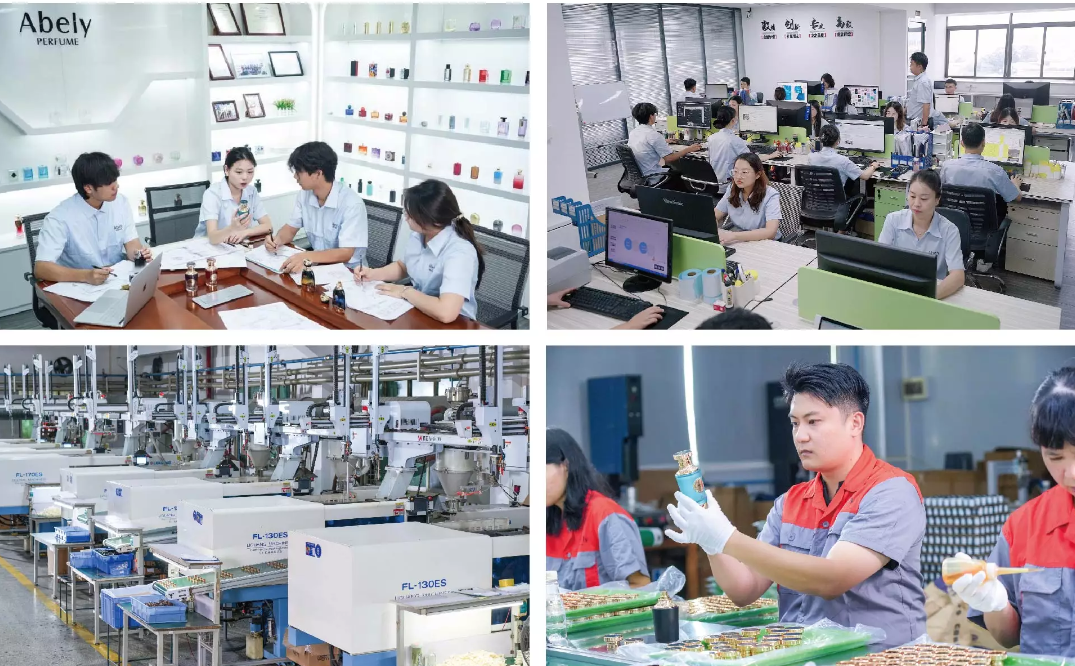
When design ambition meets production realities, brands need partners who translate user insight into manufacturable caps. Abely works across material science, tooling, and compliance to help brands keep the customer at the center while meeting sustainability goals and production tolerances. The result: caps that feel deliberate, ship reliably, and fit your brand story without compromise.
Trust the process. Move boldly. —

