
The stubborn problem most beginners ignore
Everyone treats CNC prototyping like a hobby you can wing on a Saturday: throw a CAD file at a machine, call it a prototype, and then stare angrily when tolerances laugh at you. The real problem isn’t the machine; it’s the assumptions—about feeds, fixturing, and what the part actually needs. If you’re hunting for work that looks like quality instead of producing quality, start by talking to a precision parts manufacturer about what “fit” actually means for your design.
Why prototypes fail — the practical culprits
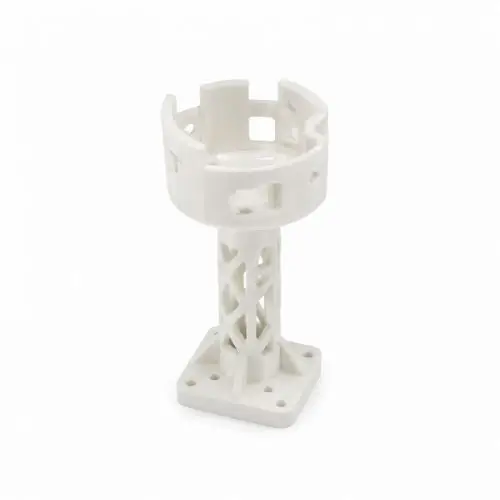
Bad geometry, flimsy fixturing, wrong material choice, and optimistic tolerances. That’s the short list. You can design a part with a hairline tolerance of 0.01 mm and then wonder why the first sample cracks or warps. Or you can accept that thin walls need support, that deep pockets cry out for proper tool reach, and that cheap cutters will chatter themselves into obsolescence. Stop blaming the CAM software; it follows orders.
Checklist: what to confirm before you hit “go”
Verify datum surfaces, tighten your clamping plan, pick tools with adequate flute length, and program appropriate stepovers. Confirm the tolerance stack — not just individual dims. Simulate toolpaths with realistic feeds and speeds. Mark critical features with inspection plans. If you do only one thing, control your setup: most scrap comes from a part that moved.
Materials and tooling — concrete rules, no mysticism
Aluminum 6061 machines differently than 7075; stainless steels need slower speeds and more rigid setups. Carbide tooling beats HSS for repeatability. When surface finish matters, prioritize tool condition and the number of passes over magical spindle RPMs. Don’t guess on coatings; pick one based on abrasion, not marketing blurbs.
When CNC isn’t the right tool (short and brutal)
If your part needs complex internal channels, consider additive methods. If you want dozens of identical plastic parts, injection molding will outclass CNC per-unit cost. If you have thin, stamped features, sheet forming wins. Evaluate alternatives honestly instead of forcing CNC to be a one-size-fits-all hero.
Experience, standards, and a real-world anchor
There’s real value in shop-floor lessons: decades of machinists learn predictable failure modes and how to avoid them. Follow recognized practices such as documented inspection procedures and common standards like ISO 9001 for traceability. Suppliers who regularly supply Detroit’s automotive suppliers understand batch quality expectations and tooling life in production. If you need a reliable partner for complex tolerances and repeatable delivery, talk to a trusted cnc machining manufacturer to hear how they handle fixture design, vendor audits, and process validation.
Common mistakes people keep repeating
Over-tolerancing, under-fixturing, and skipping iteration. People also forget to plan for inspection early; measurement after the fact doesn’t fix the design. Treat your prototype like a test: document failures, adjust feeds, change tools, and iterate. Failure is useful. Waste is not.
Putting it together — a lean process to follow
Define function before geometry. Design for machinability: increase corner radii, avoid tiny unsupported tabs, and relax tolerances where possible. Prototype one critical feature at a time if budget allows. Use concise inspection checklists and keep tooling and setup notes for the next run. The goal is repeatable learning, not aesthetic suffering.
The practical payoff
Get the basics right and you’ll stop burning prototypes and start making decisions from data rather than guesswork. When you want consistent outcomes backed by shop experience and clear process controls, consider how a partner like Hanstar folds those lessons into parts that actually work the first time.

