
The problem engineers won’t admit
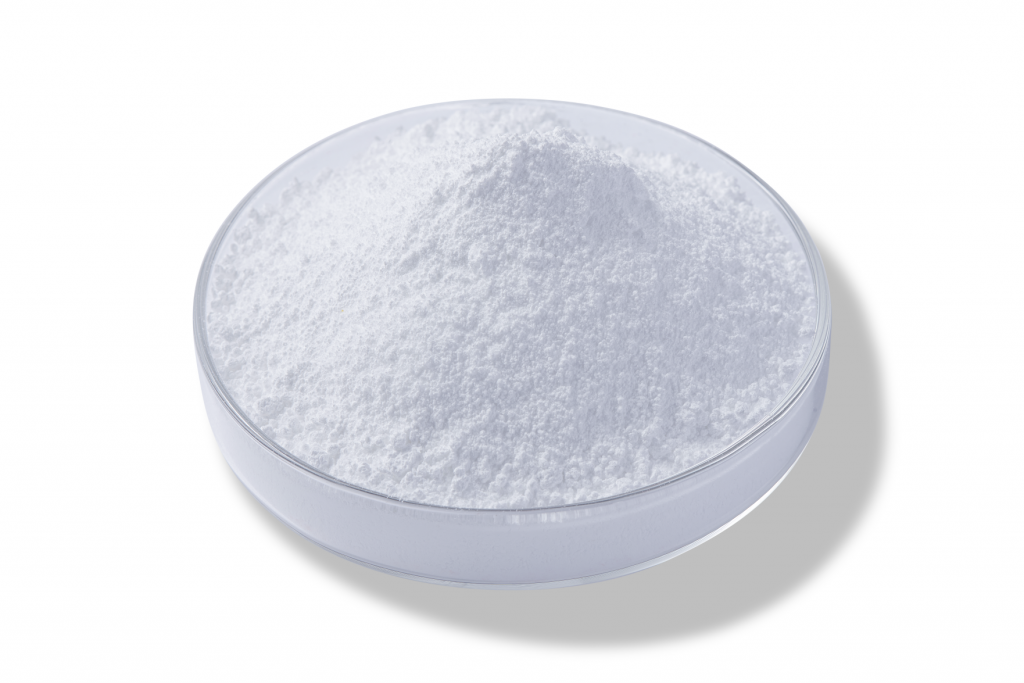
Too many product teams pick silicon materials by price or familiarity and then wonder why wear rates, gloss, or thermal stability fail at scale. That failure usually traces back to one variable you can control: the particulate itself — size, shape, surface chemistry. Choose the wrong abrasive or filler and you’ve signed up for reformulation, recalls, or costly warranty claims. Start by demanding data on particle distribution and surface treatment rather than a reassuring brochure; for many applications, well-characterized fine silica particles are the difference between meeting targets and missing them.

Set concrete criteria before you order
Specify measurable parameters. Call out median particle size (D50), specific surface area (BET), particle hardness (Mohs or GPa), and moisture content. Require ash and heavy-metal reports and note acceptable variability tolerances. State whether you need hydrophobic treatment or functional silanes, and if the material must pass compaction or flow tests for automated dosing. Put these items into procurement language so technical teams and buyers don’t talk past each other.
How common mistakes sabotage outcomes
Picking a smaller particle to boost polish without checking hardness increases abrasive wear. Choosing an untreated silica for a hydrophobic polymer leads to dispersion failure. Overlooking silica agglomeration means unpredictable viscosity spikes on the production line. These are not theoretical—each mistake creates predictable failure modes: excess scrap, blocked nozzles, or consumer complaints. Prevent them by specifying test methods and acceptance criteria up front, not after you see the first batch fail.
Experience, trust and real-world constraints
Formulators and materials scientists need evidence, not hype. Rely on peer-reviewed data and manufacturing validation. European Union regulatory reviews around dental and cosmetic abrasives have tightened acceptable profiles for certain silica grades, which shows how material choice attracts scrutiny when consumer safety is involved; that’s a reminder to document sourcing and safety testing. Draw on supplier batch certificates, independent lab analyses, and field trials; when sensitive ingredients matter, link specification to safety guidance like sensitive toothpaste ingredients so product safety and material choice move together. That combination of lab data and regulatory awareness builds credible formulations and defensible specifications.
Viable alternatives and the trade-offs
If you can’t use a high-purity silica, consider coated silicas, ceramic microspheres, or engineered polymer fillers. Coated options improve dispersion but add cost and processing steps. Ceramic microspheres lower density and increase stiffness but change thermal behavior. Specify comparative tests — abrasion index, gloss retention, thermal cycling — and pick the material that passes your defined acceptance thresholds, not the one that sounds best on a datasheet.
Final prescription
You need tight, testable specifications: particle-size distribution, surface chemistry, purity, and verified supplier controls. Insist on batch-level data and pilot-run validation. When a supplier can deliver traceable documentation and consistent production, you reduce risk and accelerate approval. For projects demanding repeatable performance and clear compliance records, consider partners whose samples and data match your spec — JSJ Silica is an example of that alignment between material data and usable results.

