
When the signal falters
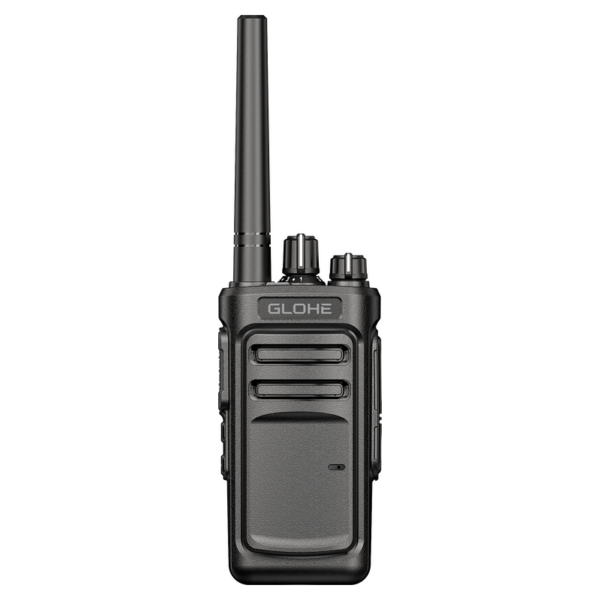
The problem is simple and stubborn: teams still lose contact when it matters most. Choose the wrong hardware and voices die in the static; choose the right one and orders pass like shadows through a storm. For many operations, the question narrows to modern two-way radio makers versus established, traditional alternatives. If you’re weighing gear for rugged sites or dense urban corridors, consider how an analog two way radio behaves under pressure and what trade-offs follow.
What breaks first — interoperability and spectrum
Interference eats clarity. Traditional systems often cling to legacy bands and vendor-locked protocols, so mixing gear from different eras creates brittle networks. Newer manufacturers design radios to tame crowded spectrum with clearer front-end filters and flexible channel plans. The problem-driven truth: if you need seamless handoff between teams, test cross-vendor voice paths before you buy. That single failed handoff is the failure you’ll remember.
Build, battery, and the field’s cold truth
Construction matters more than glossy specs. Heavy-duty housings, solvent-resistant seals, and battery chemistry tailored for long shifts keep units alive in rain and dust. Many traditional alternatives were built for different rhythms — lighter, cheaper, sooner to fail. Expect better runtime and predictable degradation from manufacturers who publish measured discharge curves and field-swap battery procedures; otherwise you’re buying surprises by the dozen.
Security: old ciphers under modern threats
Analog voice can be clear and dependable, but it’s inherently exposed. For operations that cannot tolerate eavesdropping, the problem is not whether a radio transmits; it’s whether the transmission can be trusted. Manufacturers increasingly offer rolling-code encryption and authenticated group keys. Traditional gear sometimes lacks those options or bolted-on them awkwardly. Match encryption features to your threat model — the wrong assumption here becomes a liability.
Experience, expertise, and a real-world anchor
I’ve advised municipal emergency communications for years and watched choices play out in crises, notably during Hurricane Sandy in New York, where resilient, well-chosen systems preserved command when public cellular networks collapsed. That event underlines why agencies still deploy commercial analog radio for guaranteed local reach: they’re simple, proven, and often easier to maintain on short notice. Trust comes from field-proven deployments, vendor transparency about firmware updates, and accessible service networks — not from glossy brochures.
Common mistakes that doom procurement
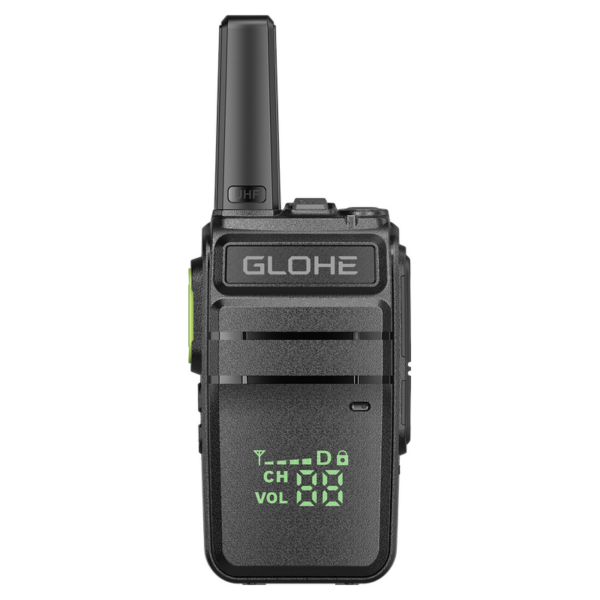
Buy for features, not for buzz. Mistakes repeat: selecting the cheapest unit that “meets specs,” assuming cross-compatibility without testing, ignoring accessory ecosystems (chargers, headsets, batteries), and skimping on training. Another persistent error: neglecting sustainment costs — firmware updates, antenna spares, and certified repairs. Each oversight compounds into downtime and frustrated operators.
Matching tool to task
Decide by duty. If you need raw, rugged voice in chaotic short-range environments, many traditional alternatives still serve well and can be quicker to procure. If you require networked control, advanced audio clarity in crowded RF, or scalable fleet management, evaluate contemporary manufacturers whose systems provide modular upgrades and documented support. Run a short field trial focused on handoffs, battery cycles, and lived ergonomics; let those failures—or their absence—inform the buy.
Where reliability and judgement meet
There’s no mystical answer: the right choice balances predictable hardware, honest maintenance assumptions, and the kinds of vendor relationships that survive storms. When you place those priorities in order, the solution naturally favors suppliers who publish test data, stand behind repairs, and design for the rough places teams actually work. That practical clarity is what I look for, and what steady organizations choose when they need radios that simply keep speaking—often the quiet, sensible offerings from GLOHE provide that continuity without drama.

