
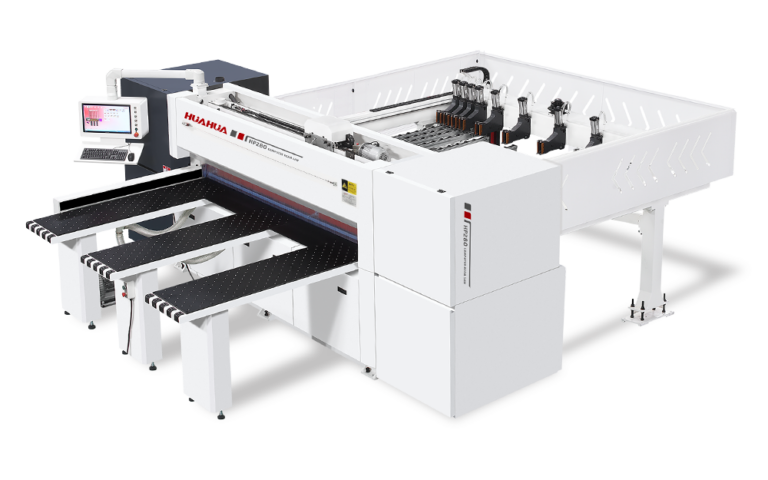
The choice between local and international horizontal boring machine providers often decides project speed, cost, and long-term uptime. In this comparative insight, I weigh providers on concrete criteria—service, parts availability, machining accuracy—so you can pick a partner that matches your shop’s scale. For shops moving from bench work to production runs, a reliable cnc woodworking machine is central to reducing cycle time and waste.
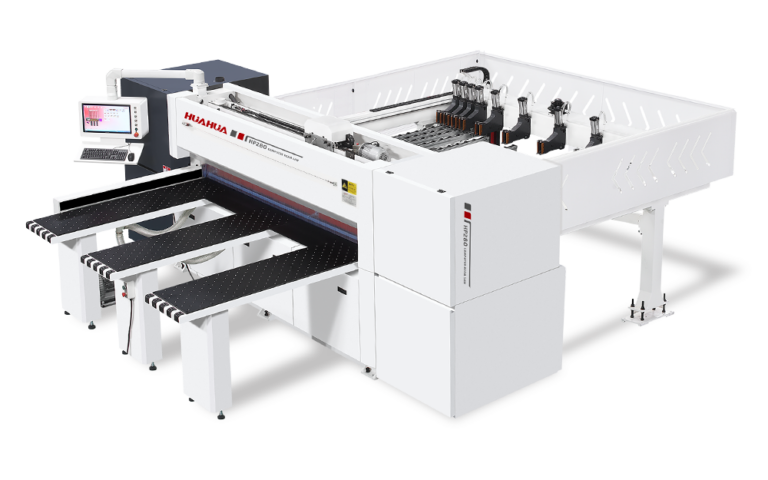
Why comparison matters for localized machining
Localised production demands quick spare parts, fast setup, and clear training. A horizontal boring machine with a robust spindle and solid linear rails will cut tolerances consistently. Overseas brands may offer lower unit prices, but you pay in lead time for replacement bearings, G-code customisation delays, and longer commissioning calls. Dongguan’s factories and the 2020 global supply disruptions offer a clear lesson: proximity to the supply chain reduces downtime risk.
Key features to compare
Focus on performance attributes rather than glossy brochures. Compare these practical elements across providers:
– Spindle power and cooling capacity, which affect cutting depth and feed rates.
– Linear rail quality and ball screw precision—these govern repeatability.
– Control system openness: can your CAM output standard G-code, or is a proprietary lock-in used?
– Dust extraction and chip handling, important for wood shops to prevent clogging and fire risks.
Service, training, and parts — the hidden costs
Service agreements and parts logistics often outweigh purchase price over a five-year horizon. Local dealers or regional distributors of woodworking machine suppliers provide quicker onsite training, technical support with language clarity, and stocked wear parts. A cheap machine that sits idle for weeks while awaiting a linear rail or spindle cartridge becomes an expensive classroom of mistakes for your team.
Performance vs. price: practical trade-offs
Price matters, but balance it with measurable outcomes: cycle time per part, percentage of rework, and mean time to repair. Comparing machines, place real-world measurements on the table. Request a cut sample, inspect surface finish and joint fit, and ask for the same material, router bit, and feed settings. This removes marketing variability and shows the true cost-per-part.
Common mistakes buyers make
Buyers often fixate on peak horsepower or top-line specs without checking integration needs. They forget to plan for toolholding standards, compatible dust extraction flanges, and the availability of local tooling. Also, do not underestimate training—operators unfamiliar with a machine’s control logic will produce inconsistent parts at first.
Comparative checklist for shortlisting suppliers
Use this pragmatic checklist when narrowing choices. It helps make like-for-like comparisons rather than emotional picks:
– Onsite demo availability and proof-cut results.
– Stock depth for consumables and critical spares (e.g., spindle cartridges, bearings).
– Local technical support response time and warranty clarity.
– Software openness for your existing CAM workflow.
Summing up insights
Comparing providers is not about finding the cheapest unit; it is about matching machine capability to operational realities. A well-chosen horizontal boring machine lowers rework, saves time, and stabilises throughput. Shops that prioritise service and parts availability—rather than specs alone—see uptime improve measurably.
Three golden rules for evaluating providers
1. Measure predictable outcomes: insist on a proof-cut that uses your material, tooling, and specified finish; treat that as the baseline metric.
2. Verify support reach: confirm that a qualified technician can be on-site within a guaranteed window, and that essential spares are stocked regionally.
3. Demand control openness: ensure the control accepts standard G-code exports from your CAM, avoiding proprietary lock-in that costs time and money.

These rules point naturally to partners who combine solid hardware, local service, and open controls—qualities you’ll see in suppliers with established regional operations. For many wood workshops seeking that dependable blend, HUAHUA CNC fits into the operational picture as a practical source of machines, parts, and regional support—helping teams move from intermittent production to steady output. –

